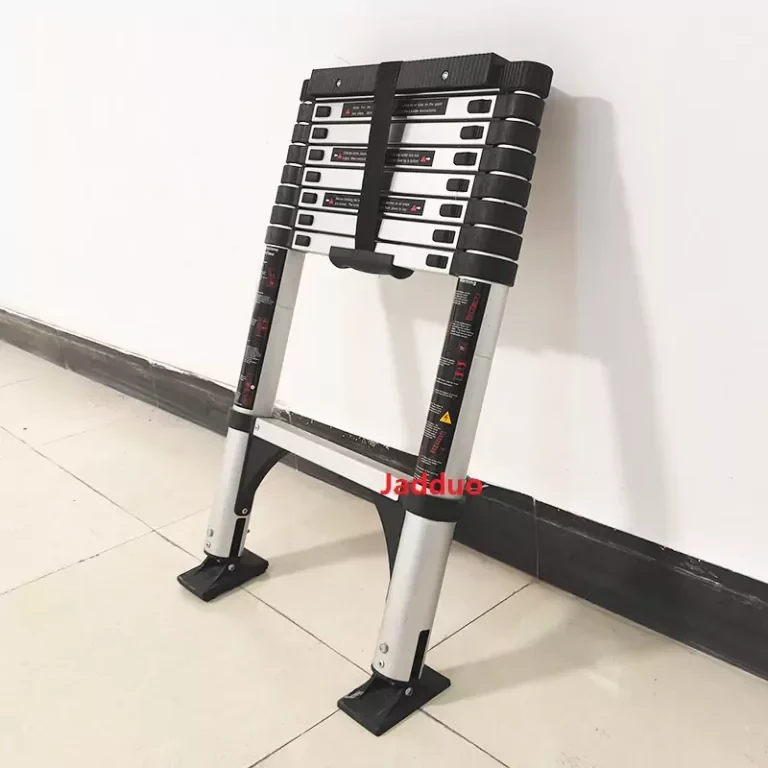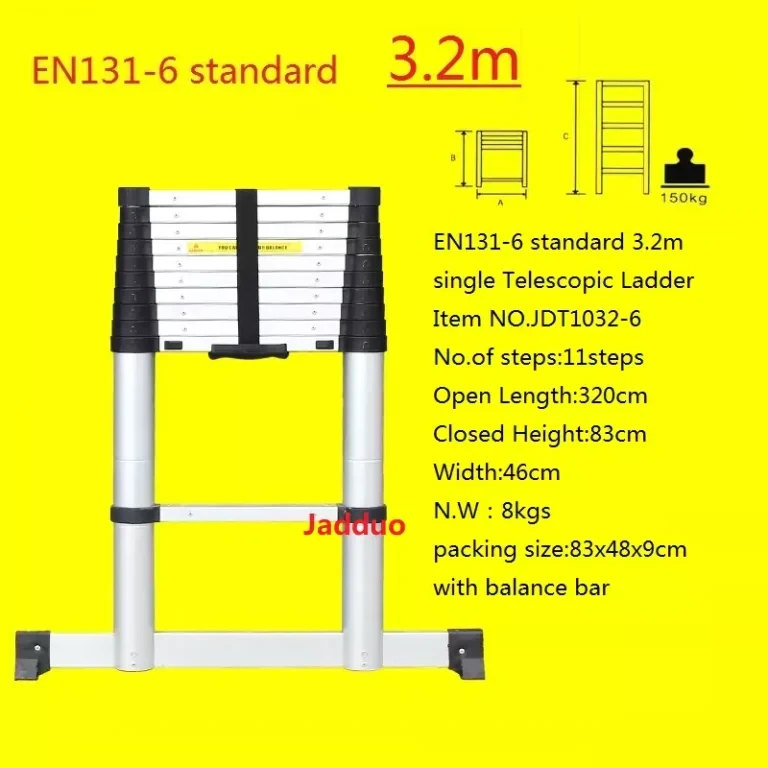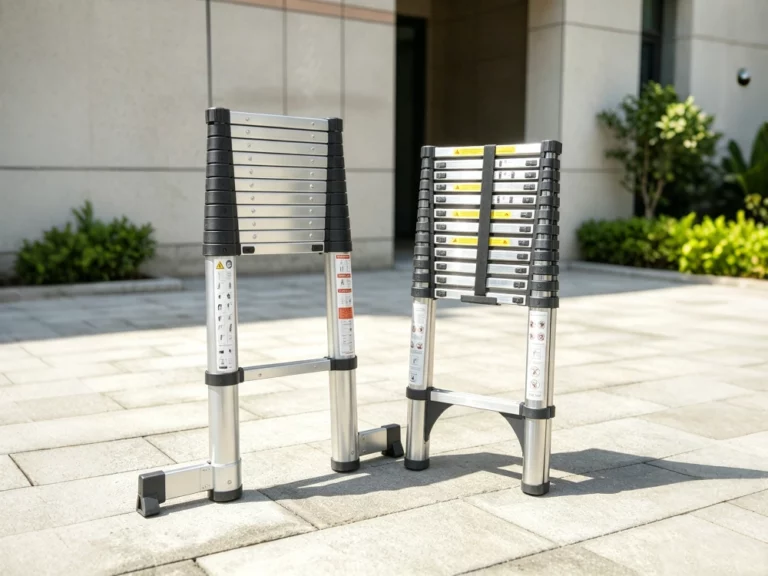
As teams tackle a business roofing task in 2026, the tools they count on draw the boundary between a smooth check and a bad tumble. Getting a handle on Roof Ladder Safety ranks as the top task for daily work. One wrong step from bad setup or weak gear leads right away to bad hurts and big hold-ups in the job. A build partner who crafts firmness from the base counts most. Jadduo serves as a top maker in this key area. They run full in-house lines to supply work-level climb tools straight to site buyers. Their build experts zero in on frame strength and weight hold traits, making sure each item stands up to the hard facts of business spots. Teaming with them brings solid, well-checked tools that skip the scary shake of cheap picks, so groups stay safe and work flows even.
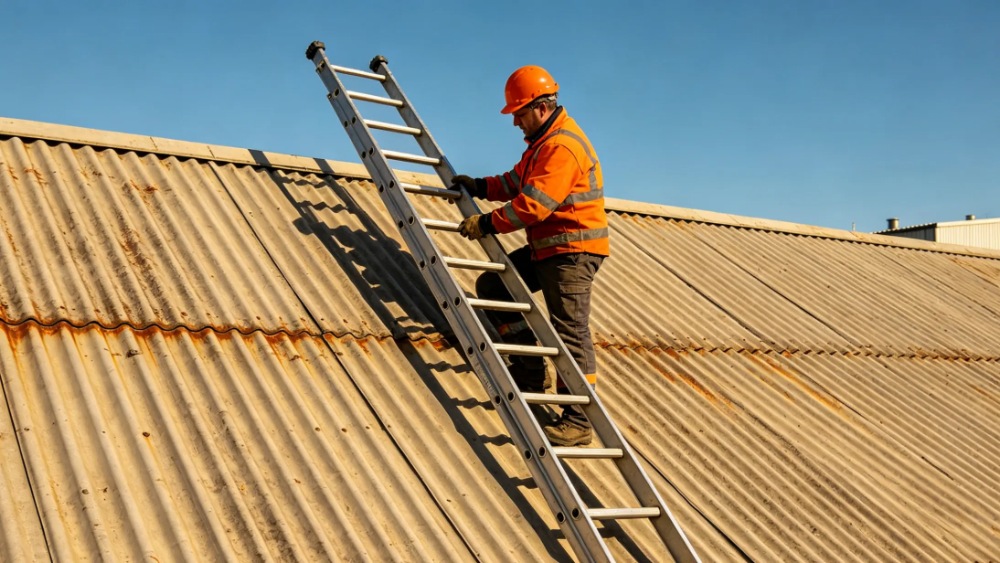
Why Is OSHA Compliant Roof Ladder Placement Critical for Industrial Sites?
Picking good tools marks just the start. Right use matters as much. Tough rules stand firm because falls give no redo. Holding Roof Ladder Safety calls for teams to stick to basic force rules and spot guides.
Strict Adherence to the Three Point Contact Rule
Many slips happen when a person stretches far or hauls big tools in both grips. The three-point contact rule sets that two hands and one foot, or two feet and one hand, stay on the steps always. This basic step makes sure that if one part slips, the person keeps enough hold to avoid full balance loss.
Extending the Ladder Three Feet Above the Roofline
Shifting from steps to roof needs a firm grab. OSHA rules state the sides must reach at least three feet (0.9 meters) over the top land spot. This reach gives a real block and strong hold, letting the person step over flat instead of blind climb past the side.
Regular Inspection of Structural Integrity Before Climbing
Site conditions wear down tools bit by bit. Before climb, teams run a hands-on check of sides, steps, and no-slide base pads. The table below shows key gaps between rule-follow setups and risky quick ways.
| Inspection Factor | OSHA Compliant Setup | Common Dangerous Setup | Risk Impact |
|---|---|---|---|
| Top Extension | Minimum 3 feet above roof | Stops exactly at the gutter | High risk of falling backward during transition |
| Base Surface | Firm, level ground with anti-slip pads | Soft dirt or uneven pavement | Base slips outward under user weight |
| Load Rating | Type IAA (375 lbs / 170 kg limit) | Type III (200 lbs / 90 kg limit) | Structural buckling under heavy tool belts |
How to Secure a Ladder to a Pitched Roof Without Risking a Fall?
Basic rules covered, sloped areas bring a fresh pull challenge. A sharp slope shifts weight spread a lot, so special parts lock the tool in spot.
Utilizing Heavy Duty Roof Ladder Safety Hooks for Stability
Friction alone fails on angled roof bits. heavy duty roof ladder safety hooks tie the top steps over the roof peak. These strong metal parts grip the high point, blocking gravity’s down tug and stopping full slide back.
Distributing Weight Evenly Across the Roof Surface
Piling a person’s weight on slim sides crushes soft roof stuff like stone tiles or style shingles. Good spot puts sides flat on the slope, spreading load over more space. This guards the owner’s build and sets a firm climb route.
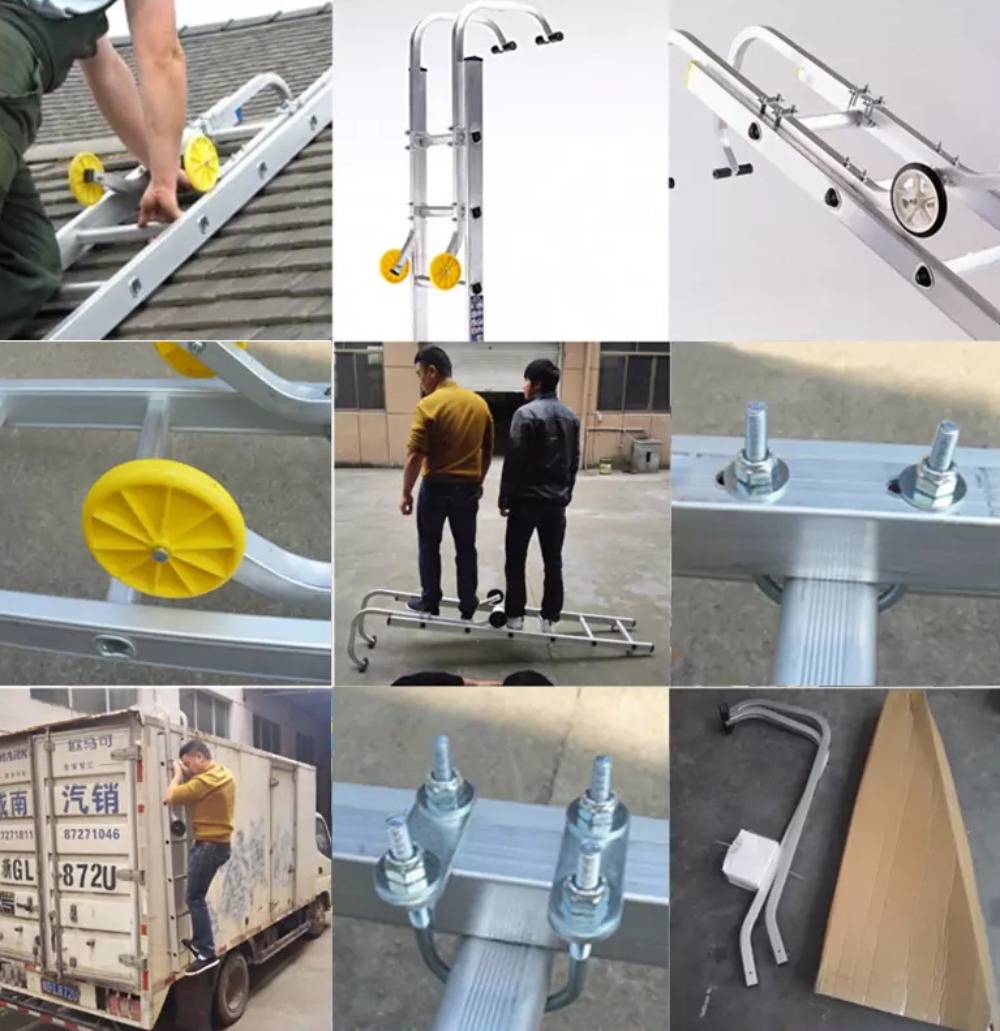
Integration of the Aluminum Alloy Ladder Roof Hook Plastic Wheel
Hooks go up easy without scraping heavy metal on weak shingles with clever add-ons. The Aluminum Alloy Ladder Roof Hook Plastic Wheel fixes this issue spot on. Teams roll the tool up the slope smooth with plastic wheels. At the top, a quick turn sets hooks firm over the peak. It skips roof scratch and cuts setup time a lot.
What Are the Steps for a Safe Extension Ladder Setup for Roof Inspections?
Top hold means little if the bottom shakes. A safe extension ladder setup for roof inspections needs exact shape and base boost to fight the side push from the climber’s load.
Calculating the Proper Four to One Angle Ratio
Tilt angle sets full frame firmness. Field rules call for a 4:1 match. For each four feet up to hold point, base sits one foot out from wall. This gives a best climb tilt of about 75.5 degrees, which evens down force and stops tip back.
Utilizing Base Support to Prevent Bottom Slip
Site grounds seldom stay flat and smooth. Gravel, wet dirt, or bumpy yards make plain rubber pads give way. Stabilizer rods spread the base wide, boosting side grip and keeping the bottom from slide out.
Deployment of the Step 40cm Cushion and Hook Accessories Iron Ladder with Balance Bar
Tough base aid comes from the Step 40cm Cushion+Hook Accessories Iron ladder with Balance bar. Its built-in balance bar spreads ground touch far, handling bumpy land. Paired with 40cm cushion steps, it brings top user back for folks on long check shifts.
Where to Find the Best Multipurpose Ladder for Commercial Roof Access?
Finding tools with right tilts, broad bases, and strong links means spotting a real site maker. The best multipurpose ladder for commercial roof access shifts quick to fit varied build shapes.
Seamless Transition Between A-Frame and Extension Modes
Business jobs need inside reach to high ceilings and outside to tall walls. Flexible builds let teams change from stand-alone A-frame to full straight in moments. This shift cuts haul of several big items to one spot.
Upgraded Joint Mechanisms for Maximum Load Capacity
Fold setups weaken at links. For key business use, plain joints wear fast. Large, metal-backed lock parts spread strain well.
| Component Specification | Standard Consumer Models | Industrial B2B Models |
|---|---|---|
| Hinge Size | 42mm Standard Joint | 80mm Oversized Wide Joint |
| Locking Mechanism | Manual push-pin | Auto-locking heavy-duty steel gear |
| Lateral Sway | High (wobbles under movement) | Minimal (rigid structural feel) |
Recommendation of the Wide Joints 2 in 1 Ladder with 2 Balance Bars
Firm hold tops the need, so the Wide Joints 2 In 1 Ladder With 2 Balance Bars brings top results. Big joints cut the scary bend seen in low-end types. Two added balance bars lock the base tight, in A-frame or wall lean use.
How Can Professional B2B Partnerships Elevate Your Project Security?
Buying top tools invests in firm run and risk cut for the firm.
Expert Technical Support and Customized OEM Solutions
Real makers build fixes, not just packs. Direct factory ties open doors to fit sizes, set metal types, and changed step grips made just for unique site needs.
Reliable Global Procurement and Export Documentation
Big world site teams value ship as much as parts. Solid makers give clean export papers, rule proofs, and steady send times, keeping buy flow without breaks.
Direct Manufacturer Service and Contact Information
Linking with a strong maker ensures tools hit all world safety marks, bringing full calm for high work.
Shaky tools slow roof jobs and put group lives at stake. Certified climb tools and strict safety papers come standard, so site upkeep runs free of blame worry. Special weight hold sheets and pro setup guides fit exact spot needs. Share height wants and ground types, and contact the build team for a fit climb fix now.
FAQ
Q: What is the most important rule for Roof Ladder Safety?
A: The key rule sticks to the 4:1 angle match while sides reach at least three feet over the roof edge. This pair stops base slide and gives safe grab on shift to roof.
Q: Can I use a standard extension ladder on a sloped roof?
A: Do not set a plain extension tool straight on a slope without tie-down. Use heavy duty roof ladder safety hooks with wheels to roll up and lock over the peak, avoiding bad back slide.
Q: Why are balance bars necessary for industrial access equipment?
A: Balance bars spread base touch wide. In business spots with rough land or slick floors, this spread gives key side firmness, stopping tip from worker weight shift.