A ladder may feel stable at first, but once the user reaches sideways or works on a narrow contact surface, the risk changes quickly. That is why many buyers ask how do ladder stabilizers work before choosing a ladder for home maintenance, facility work, or retail sales.
Jadduo manufactures telescopic ladders, folding ladders, and access product. For buyers, the practical question is whether the ladder structure fits the working surface, storage space, transport method, and user setup habits. A stabilizer bar can make daily use safer, especially when the ladder is used repeatedly in outdoor or wall-access tasks.
What Are Ladder Stabilizers and How Do They Improve Safety?
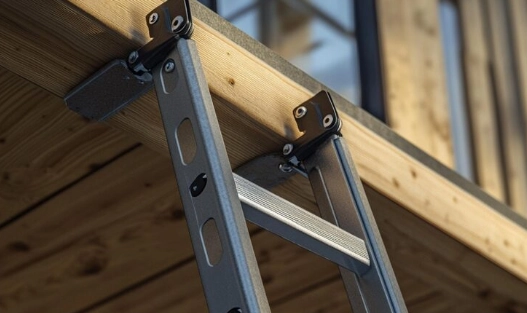
A ladder stabilizer is a support bar or frame that increases the ladder’s contact area. It may be placed at the top, near the base, or built into the ladder structure. The purpose is simple: create wider support, reduce unwanted movement, and help the ladder sit more steadily during use.
This does not mean the ladder becomes safe in every condition. Ground level, climbing angle, surface strength, and user behavior still matter. A stabilizer improves one part of the safety setup, but it cannot correct poor placement or careless climbing.
Wider Contact Area
A normal ladder touches a wall or surface through narrow rail ends. A stabilizer bar spreads that contact across a wider area. This helps reduce concentrated pressure and lowers the chance of side movement.
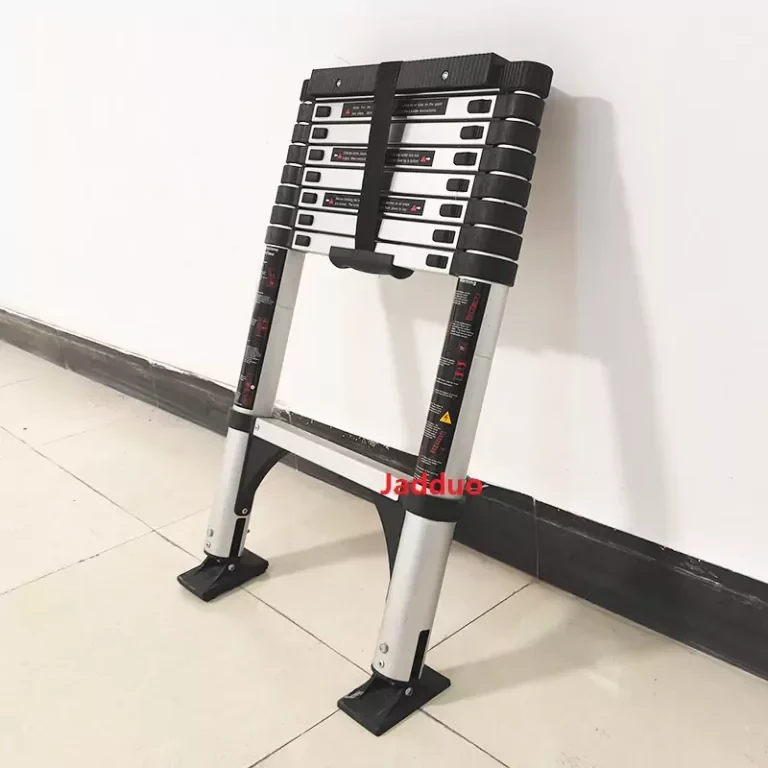
For buyers serving roof access, vehicle-side access, or outdoor maintenance users, the Hook Single Telescopic Ladder with Stabilizer Bar is easier to position than a plain telescopic ladder in suitable hook-contact scenarios. The stabilizer bar adds wider support, while the hook structure helps the ladder stay aligned with the working edge. The key is to confirm the hook contact point before use, not to treat it as universal for every surface.
Less Side Movement
Side movement often happens when users reach too far left or right. A stabilizer cannot replace correct climbing habits, but it gives the ladder a wider footprint. This matters during gutter cleaning, window work, sign installation, light facade repair, and warehouse maintenance.
Better Surface Protection
A stabilizer can also help protect walls and gutters. Instead of pressing all force into two narrow points, the support area spreads pressure more evenly. For painted walls, aluminum gutters, and finished surfaces, this can reduce scratching, dents, or edge damage.
How Do Ladder Stabilizers Work on Real Job Sites?
On real job sites, ladder stability depends on several factors at the same time. The ground may be concrete, grass, tile, compact soil, or slightly uneven pavement. The top contact point may be a wall, gutter edge, truck side, or roof structure. Ladder Stabilizers work by improving contact and balance, but users still need to check the full setup before climbing.
This is where product selection becomes important. A stabilizer should match the ladder structure and the job type, not just look safer in product photos.
Roof and Gutter Access
For roof edges and gutter work, a stabilizer helps keep the ladder steadier and may reduce direct pressure on fragile edges. If you are choosing a ladder stabilizer for extension ladder use, check the rail width, top contact area, and locking position first. A poorly matched stabilizer can create new risks if it blocks the ladder’s structure or shifts during use.
For roof edges, truck access, wall maintenance, and gutter work, buyers should check whether the stabilizer is part of the ladder structure or added as a separate accessory. An integrated stabilizer bar usually reduces missing-part problems during daily use and makes the ladder easier to explain to retail users. Before bulk ordering, ask for product photos, folded size details, locking method, and packing information so the ladder matches your sales channel or project use.
Wall, Window, and Home Maintenance
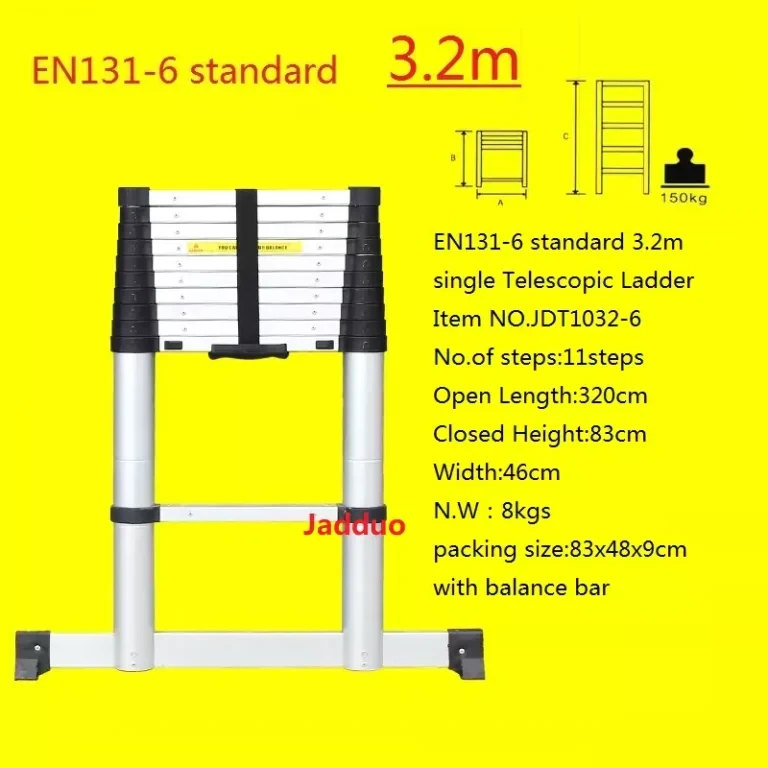
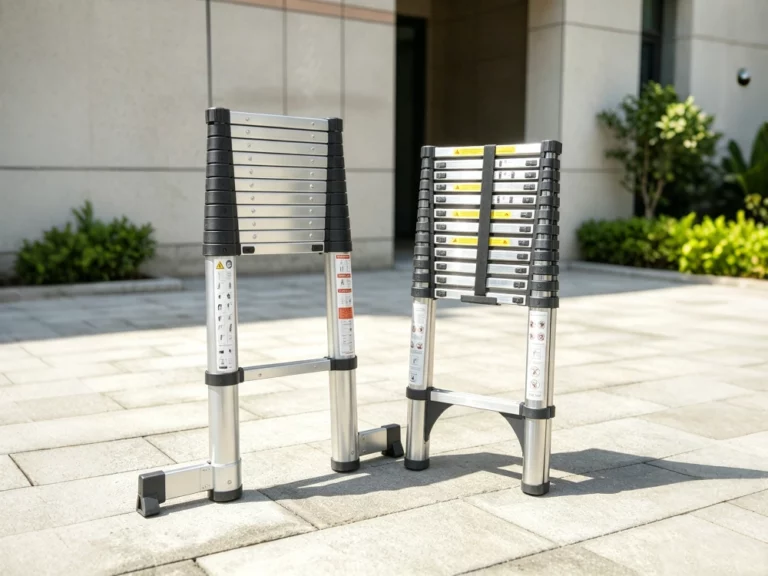
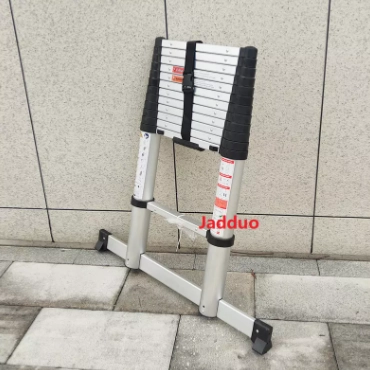
Home maintenance tasks often involve short work periods but repeated climbing. Users may need to clean upper windows, replace lights, trim near a wall, or install seasonal decorations. For hardware retailers and home maintenance channels, the Single Telescopic Ladder with Stabilizer Bar is easier to position as a compact ladder with added stability support.
The selling point is not only height access. It is the combination of telescopic storage, simple carrying, and a stabilizer bar that helps users feel steadier during wall, window, and light outdoor maintenance tasks.
Portable Access for Repeated Setup
Some users move and fold the ladder many times during one workday. Facility teams, installers, and maintenance staff often care about handling as much as height. For users who fold and move the ladder frequently, the Aluminum Alloy One Time Folding Telescopic Slow Down Ladder can be discussed from a handling and storage angle.
Its value is not the same as a stabilizer bar ladder. It is more relevant when the buyer cares about folding control, transport convenience, and repeated setup during maintenance or installation work.
Ladder Stabilizer vs Ladder Leveler Which One Solves Your Problem?
Many users compare ladder stabilizer vs ladder leveler because both relate to ladder safety. They solve different problems. A stabilizer improves wall, roof, gutter, or base contact by widening support. A leveler helps compensate for uneven ground, such as slopes, steps, or rough outdoor surfaces.
If the ladder feels unstable because the wall contact is too narrow, a stabilizer design is more relevant. If the ladder tilts because one foot sits lower than the other, the main problem is ground leveling.
Top Support and Ground Compensation
| User Problem | More Suitable Option | Why It Matters |
| Ladder shakes near wall or gutter | Ladder stabilizer or integrated stabilizer bar | Wider support and less side movement |
| Ladder stands on uneven ground | Ladder leveler or adjustable foot support | Helps correct foot height difference |
| Wall or gutter may be scratched | Stabilizer with wider contact | Reduces concentrated pressure |
| Frequent indoor and outdoor movement | Integrated stabilizer ladder | Easier setup and fewer loose parts |
This comparison helps buyers avoid one common mistake: using the wrong accessory for the wrong problem.
Selection Based on Work Surface
Smooth walls, gutters, roof edges, warehouse shelves, and uneven yards all need different support logic. A ladder used mainly against walls may benefit from an integrated stabilizer bar. A ladder used mainly on steps or slopes may need another ground support solution.
How Should You Choose Ladder Stabilizers for Your Ladder Type?
To choose a ladder stabilizer properly, start with ladder type, work surface, storage method, and user setup habits. A telescopic ladder, extension ladder, and folding ladder do not always share the same frame design. The stabilizer must fit the ladder without blocking extension, folding, or locking.
For buyers searching how to choose a ladder stabilizer, the decision should also include after-sales risk. A product may look strong, but if users cannot install, fold, or carry it easily, complaints may increase.
Fit with Ladder Structure
Check whether the ladder can fold, extend, and lock normally after the stabilizer is installed. For telescopic ladders, extra parts should not block closing sections or create awkward storage. An integrated stabilizer bar can be practical for retail and project buyers because it reduces separate accessory handling.
A common buying mistake is treating all Ladder Stabilizers as universal. In real use, the stabilizer must match the ladder rail shape, folded structure, wall contact position, and user setup habit. If the bar makes the ladder harder to fold, blocks the locking area, or increases packing size too much, the product may create after-sales problems even if it looks safer in photos. For B2B orders, buyers should check sample folding, bar fixing strength, surface grip, carton size, user labels, and whether the product can be demonstrated clearly in sales images or manuals.
Product Match by Use Case
| Use Case | Recommended Jadduo Product | Buyer Reason |
| Outdoor access, suitable hook-contact edges | Hook Single Telescopic Ladder with Stabilizer Bar | Hook positioning plus stabilizer support, but contact surface should be checked first |
| Wall, window, and home maintenance | Single Telescopic Ladder with Stabilizer Bar | Compact telescopic storage with added support for repeated light-duty access |
| Frequent moving, folding, and storage | Aluminum Alloy One Time Folding Telescopic Slow Down Ladder | Better for handling and folding control rather than stabilizer-based wall support |
This table should not replace a product specification review. It helps buyers narrow the first selection before comparing samples, packaging, and user instructions.
Setup Checks Before Climbing
To use a ladder stabilizer safely, check firm ground, open or fixed stabilizer position, ladder angle, and locked sections before climbing. A stabilizer improves balance, but it cannot make a poor setup safe.
A ladder with a stabilizer bar is suitable if your users often work near walls, gutters, roof edges, warehouse racks, or outdoor facades. It is also practical for retailers who want to reduce end-user confusion, because the stabilizer is already matched with the ladder structure.
If you are comparing ladder structures for a retail line, facility maintenance project, or OEM order, prepare the working height, storage limits, target users, and common surface conditions before product discussion. Jadduo can review whether a stabilizer bar ladder, hook ladder, or folding telescopic model fits the actual use case. Send these details through the contact page so the product discussion starts from real application needs.
FAQ
Q: Do Ladder Stabilizers Make a Ladder Completely Safe?
A: No. Ladder Stabilizers improve balance and reduce movement, but the user still needs firm ground, correct ladder angle, locked sections, and safe climbing habits. They are one part of a safer setup, not a replacement for proper use.
Q: Can I Use One Stabilizer on Every Ladder Type?
A: Not always. Ladder width, rail shape, folding structure, and locking design can affect fit. A stabilizer that works on one ladder may not fit another. Check compatibility before ordering or using it.
Q: Are Ladder Stabilizers Useful for Gutter Cleaning?
A: Yes, they can help keep the ladder steadier and reduce direct pressure on gutters. For gutter work, choose a ladder or stabilizer design that gives wider contact and keeps the ladder positioned correctly against the building.