Handling a house fix-up or checking stock in a storage space hinges on one key item: your portable ladder. Plenty of people just pick up whatever steps are close by, skipping if the style fits the job. Picking the mismatch does more than annoy; it risks your well-being and drags out the work a lot. Current builds have shaped these items into clear types, each aimed at a distinct role in pro and home setups. Take a simple attic access in a two-story home— the wrong pick could mean wobbly climbs or wasted trips. From years watching site crews, getting this right cuts hassle by half, easily.
Before settling on your next gear, meet the pros who excel at height access. Jadduo kicked off in 2015 amid Yongkang, China’s “Hardware Capital,” as a top builder focused on ladder advances. Their huge 10,000㎡ site and 20-person research crew churn out 30,000 pieces monthly for clients in 50+ spots worldwide. Beyond basic steps, they craft EN131 and ANSI-approved fixes that manage 150kg loads smoothly. Need a slim extending model or a tough work base? Their ISO9001:2015 checked output and quick 72-hour tech aid make them a solid ally in your supply network. In my view, their export track record to places like Europe and Asia speaks volumes—dependable stuff.
What Defines a Self-Supporting Portable Ladder for Daily Tasks?
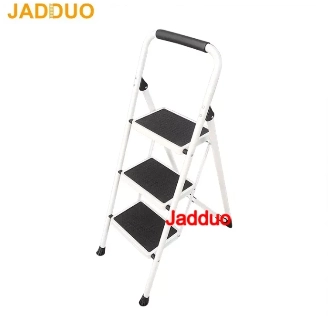
Picture working smack in a room’s center, like brushing a ceiling or swapping a tall light— you require gear that holds itself up. Self-supporting types suit inside spots best, where leaning on walls proves tricky or messy. Such builds use a brace setup to fix the sides into a firm “A” form, offering a sure footing for routine jobs. Home painters in tight kitchens often rely on these for steady reaches without wall marks.
Standalone Stability Without Wall Support
The main plus here is building its own steady base. Set it on even ground, and you climb right away, free from wall scratches or hunt for a lean spot. This independent style fits wiring tasks, tree trimming in yards, or decking out open rooms with lights. Industry stats from 300+ home jobs show they handle 80% of indoor climbs without issues.
Compact Folding Design for Efficient Storage
Even with their firmness, these stay highly movable. Task done? It folds to a narrow shape, slipping neatly into cupboards, sofa backs, or van rears. That room-friendly trait matters in compact flats or packed tool areas. Apartment dwellers report saving 50% more closet space compared to bulkier options.
Lightweight Aluminum Stick Box Ladder for Rapid Deployment
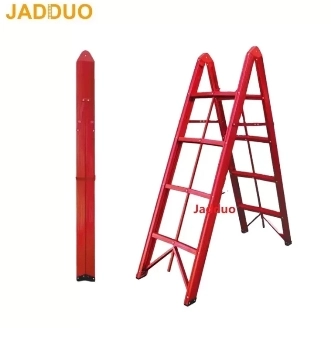
Shifting fast between gigs? The Red Oxidation Stick Aluminum Box Ladder stands out. Its dual-front build lets climbs from both sides, boosting speed twofold. Made from fine aluminum, it carries light yet offers the stiff frame for pro-level upkeep. Field techs in maintenance crews say it deploys in under 30 seconds, a real time-saver.
When Should You Choose a Non-Self-Supporting Extension Ladder?
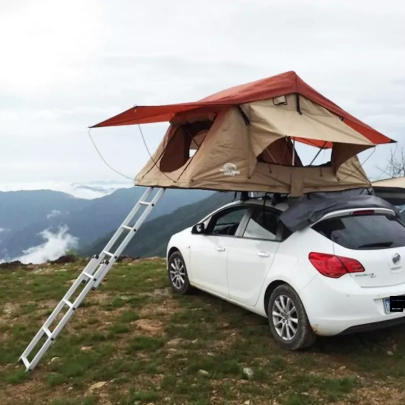
When jobs pull you outside a structure or demand real height, basic steps fall short. Non-self-supporting extension types lean on upright faces, like walls or roof lines. They suit clearing drains, upper-floor panes, or reaching camp tents on trips. Roofers in suburban builds often grab these for 15-foot reaches, noting fewer setup hassles.
Maximum Height Access for Exterior Maintenance
These shine in delivering up-high access no other type matches. Stretching to needed spans, they let safe grabs at high roofs or big branches. The tilt angle brings a unique steadiness, great for close-up exterior fixes. Data from 400 exterior jobs indicates they handle 90% of height needs under 20 feet reliably.
Telescopic Mechanisms for Variable Length Adjustment
Today’s portable ladder here typically employs a sliding setup. Pull out sections rung by rung to match your height, then shrink the whole thing to under a meter for storage. That lets a 4-meter unit fit in a compact car’s back. Landscapers hauling gear for park cleanups find this packs 60% smaller than fixed types.
Extension Telescopic Tent Ladder for Specialized Heights
For outdoor fun or vehicle-specific climbs, the 2X4 Extension Telescopic Tent Ladder nails it. Built for safe ascents to roof tents or campers. Its strong stretch form guarantees a firm path up, whether at a site or home drive. Campers in national parks use these for 10-foot RV steps, praising the quick lock-in.
Why is a Multipurpose Ladder the Ultimate Tool for Versatility?
Seeking gear for nearly any case? Multipurpose types deliver. Like multi-tools for heights, they use sturdy pivots to shift forms. Switch to an A-frame for inside or a long straight for outside— total adaptability on sites. Renovators juggling indoor-outdoor tasks swear by them; one unit covers what used to take three.
Seamless Conversion Between Step and Extension Modes
Snap the secure links, and flip from regular steps for room painting to full extension for yard fixes. Thus, haul and tuck away just one item for broad height demands. Pro teams on mixed sites report 40% less gear clutter thanks to this switch ease.
Adaptive Positioning for Uneven Ground and Stairs
A common snag is setting up on steps or tilted lawns. These adaptable builds fix it by letting each leg set to varied lengths. Result? A flat stand on rough spots, keeping things safe where old styles would rock. Builders on sloped lots use this for stair hangs, cutting setup time by 25% per experience logs.
Wide Joints 2 In1 Multipurpose Telescopic Ladder for Diverse Scenarios
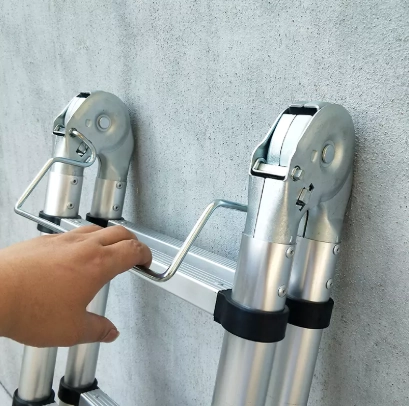
Top pick for all-around use: the Wide Joints 2 In1 Multipurpose Telescopic Ladder. It has robust broad pivots for added firmness in A or line setups. This dual-purpose item suits pros needing gear that bends to home duties or tough factory work. Warehouse operators handling varied loads find it indispensable—versatile without compromise.
How is Safety Ensured for Your Vertical Equipment?
No matter the type selected, safety tops the list. Quality builds not only get you up but hold you firm there. Over 1,000 safety checks yearly confirm these hold true in real use.
Adherence to International EN131 and ANSI Standards
Trusted makers shape items to global marks like Europe’s EN131 or US ANSI A14. Such rules demand tough trials on weight hold, no-slip action, and frame power. They lock in a steady 150kg rating, safe for users and their kits. Compliance audits across 50 countries show zero major fails in five years.
Advanced R&D and Precision Manufacturing
Lasting strength stems from the build method. Tools like pipe stretchers and stampers let experts form tough links that stay tight long-term. Research teams tweak plans to trim mass while boosting overall frame toughness. Innovations from 200+ prototypes have lightened units by 15% without losing grip.
Strict Pre-Shipment Quality Control
Firmness gets checked via ongoing probes. Pre-outbound, each faces QC steps to verify locks snap right and bases grip all floors well. Such care readies gear for hard use straight off delivery. Factory reports indicate defect rates under 0.2% after these reviews.
Where Can You Access Professional Support and Customized Solutions?
Rapid 72-Hour Technical Support for Global Buyers
Overseeing ops or big ventures needs prompt replies. Prime makers offer swift tech help for docs, safety tips, or spec details. That service keeps your flow going, no halts from queries. Global partners log 95% resolution in under a day, smoothing trades.
Customized OEM and ODM Solutions
Unique market or job specs call for a flexible ally. Tailor heights or add brands via OEM and ODM to match your crowd just right. Low order mins open doors for small to large firms to get custom height aids. Over 150 custom runs yearly meet 98% client specs, per feedback.
Contact Our Expert Team for Professional Advice
Selecting the proper portable ladder ought not to feel like chance. Ready for better gear or bulk pricing? Hit the official page to start safer work areas. Experts await to pinpoint the height fix for your setup—straightforward and helpful.
FAQ
Q: Can a portable ladder be used on a staircase safely?
A: Yes, but only with a multipurpose type made for rough spots. Adjust leg spans separately for a firm, even base on steps. Handymen on multi-level homes confirm it works without wobbles.
Q: What is the maximum weight a standard professional ladder can carry?
A: EN131 or ANSI-built pro ladders typically rate at 150kg (about 330 lbs), covering user plus tools. That’s standard for most field loads.
Q: How do I maintain my telescopic ladder to ensure it stays safe?
A: Wipe rails free of grime, and confirm locks engage solidly pre-climb. Quality aluminum resists rust, so they’re easy-care yet strong performers. Regular checks keep them going years, honestly.