Setting up an extension ladder seems straightforward, yet anyone who works at height knows it deserves careful attention. A ladder is one of the most practical tools for home repairs, construction, warehouse work and even outdoor travel, but improper setup can cause avoidable accidents. Choosing the right ladder matters as much as learning to position it correctly. Manufacturers like Jadduo, exporting globally with EN131 and ANSI compliance, design professional-grade ladders to support safer daily use .
The guide below walks through essential setup steps, with examples from Jadduo’s current product line.
What Should You Check Before Setting Up an Extension Ladder
A quick pre-check reduces the risk of structural failure or unstable footing. Many incidents come from skipping this step, especially during rush jobs.
Structural Inspection
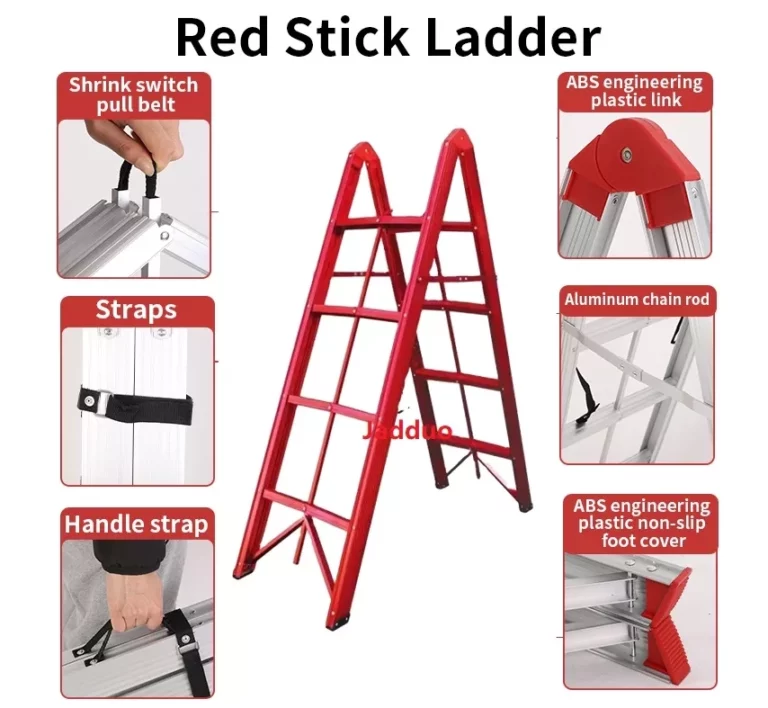
Each ladder endures repeated stress and should be checked for cracks, bent rails or loose rivets. During manufacturing, ladders go through cutting, drilling, stamping and sleeving to maintain consistent strength . Products such as the Red Insulated Multi-Functional Ladder use reinforced joints and fiberglass insulation, adding durability for electrical environments.
Load Capacity Confirmation
Most certified ladders carry around 150 kg, enough for a user plus tools . Checking the side label helps prevent overloading—something especially important in electrical, telecom or roof work. Fiberglass ladders are often chosen for these tasks because they don’t conduct electricity.
Locking Mechanism Verification
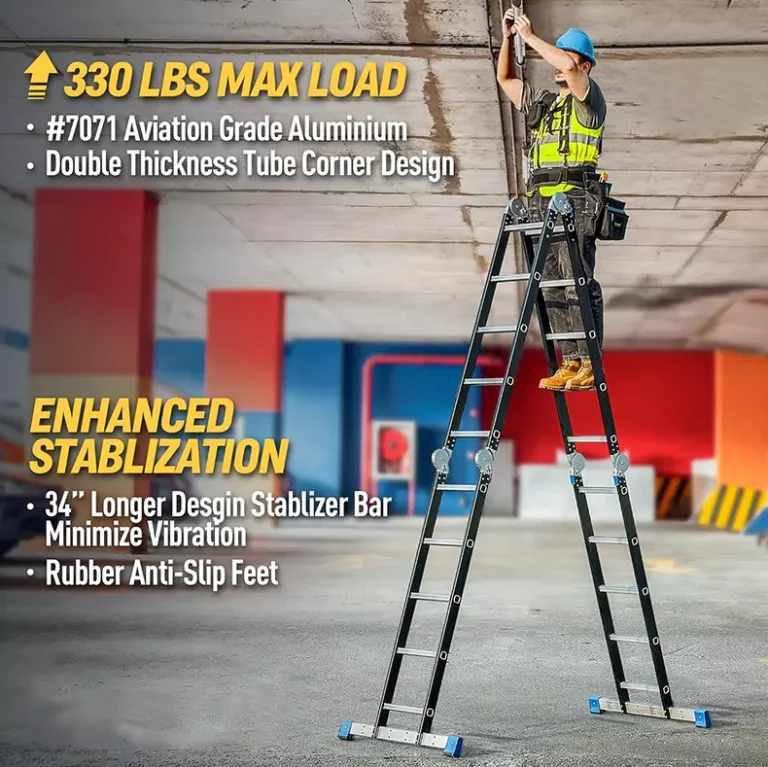
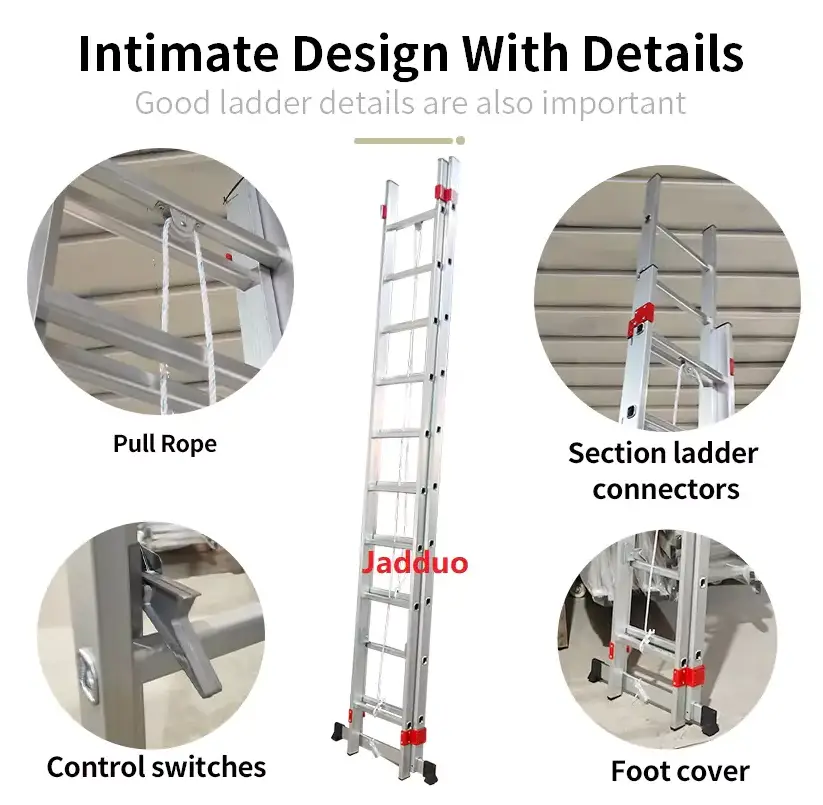
Locks keep the ladder from folding or sliding unexpectedly. Multi-purpose ladders often feature multiple locking sections to stay stable during extended or A-frame use . A gentle pull confirms everything is properly engaged.
With these checks completed, the ladder is ready to be placed.
How Do You Position the Ladder at the Correct Angle
Angle and placement matter just as much as structural condition. The wrong angle can cause the ladder to slide out or tip back.
4-to-1 Rule Positioning
For every four units of height, the ladder base should sit one unit away from the wall. This creates the recommended 75-degree angle, also seen in outdoor ladder use such as tent and RV ladders that rely on stable lean angles in uneven terrain .
Base Stability Assurance
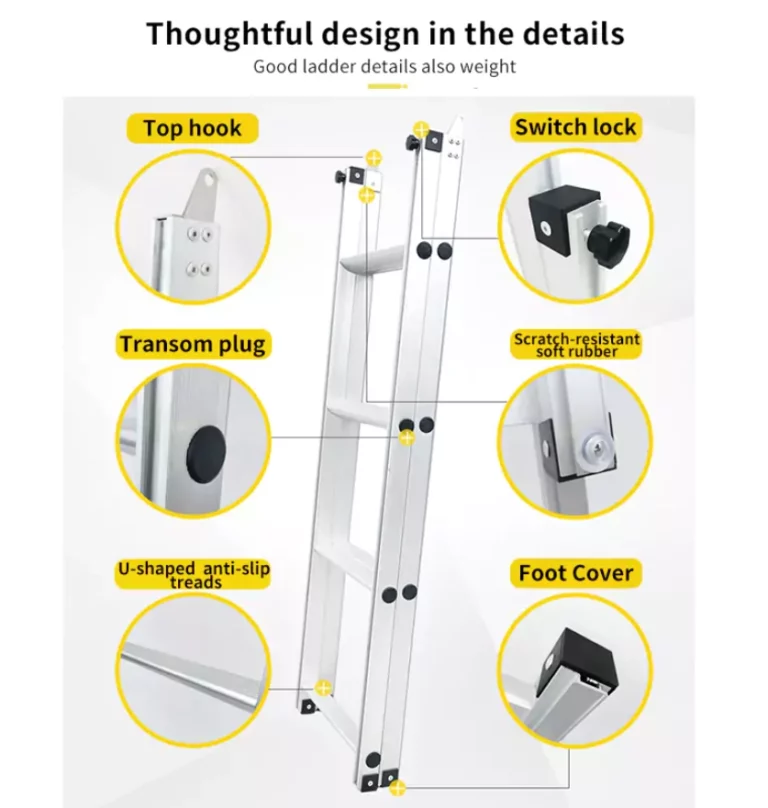
Ground surfaces vary: concrete, tiles, grass or packed soil each respond differently. Anti-slip feet and balance bars help stabilize the base and prevent shifting . Jadduo’s extension and telescopic ladders include heavy-duty rubber caps designed for both indoor and outdoor conditions.
Top Support Placement
The top should rest against a firm, flat surface. For rooftop tents or vehicle-mounted gear, ladders with hooks—such as the 2X4 Extension Telescopic Tent Ladder—offer a secure attachment point.
How Do You Secure an Extension Ladder Before Climbing
Once positioned, the ladder must be fully stabilized to prevent movement while climbing.
Ground Contact Stability
Both feet should sit evenly on the ground. Softer terrain may require broader foot caps for support. Outdoor ladder models often include these features because camping surfaces vary widely.
Locking and Rope System Engagement
For longer reach, the 2 Section Ladder With Pulley and Rope helps lift and lock the upper section smoothly. The rope maintains tension while the rung locks hold the chosen height firmly.
Wall or Vehicle Attachment
Rooftop camping or RV use benefits from ladders that physically connect to the mounting point. The telescopic tent ladder’s hook design provides dependable attachment even when users carry gear or backpacks during ascent. With the ladder secured, climbing becomes much safer.
What Safety Practices Should You Follow While Climbing
User behavior is a big factor in ladder safety. Even well-positioned ladders can become hazardous if climbed incorrectly.
Three-Point Contact Principle
Maintaining two hands and one foot—or two feet and one hand—keeps the climber stable at all times.
Centerline Climbing Position
Staying within the ladder’s side rails prevents tipping. This is especially important when putting up holiday lights, trimming trees or carrying small tools—common ladder activities listed in your references .
Non-Slip Step Usage
Many ladders include textured rungs for grip. Jadduo’s tent and outdoor ladders use patterned anti-slip steps that perform well even in wet or muddy conditions .
Which Jadduo Ladder Type Should You Use for Different Working Scenarios
Matching a ladder to the job improves efficiency and safety. Each Jadduo model fits a different work environment.
Red Insulated Ladder for Electrical Work
The fiberglass structure helps protect users from electrical hazards. The Red Insulated Multi-Functional Ladder suits telecom maintenance, utility lines and repair jobs requiring non-conductive materials—aligning with safety expectations under ANSI and EN131 .
2 Section Pulley Ladder for Construction and Roof Work
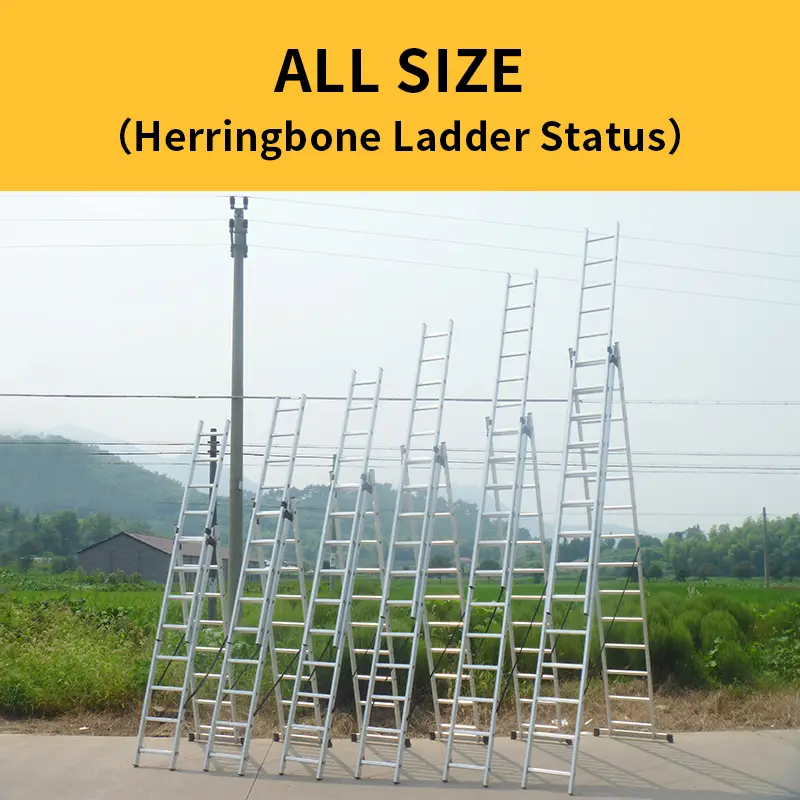
For gutter cleaning, roof repairs, holiday décor and façade work, a longer reach is essential. The pulley ladder offers easy height adjustment and stable straight-ladder configuration, matching high-demand tasks listed in your usage files .
2X4 Extension Telescopic Tent Ladder for Outdoor and RV Use
Campers and outdoor travelers rely on ladders that pack small but extend tall. Compact storage, light aluminum construction and strong load capacity make the 2X4 telescopic ladder a natural choice for rooftop tents and uneven-ground environments .
How Do You Handle Common Outdoor or Household Ladder Tasks Safely
Ladders appear in everyday life more often than expected, and the same safety principles apply whether indoors or outdoors.
Roof and Gutter Cleaning Procedures
Cleaning leaves, checking shingles or clearing blocked drains often requires stable ladder placement along the roofline. These tasks match the home-maintenance scenarios described in your files .
Tree or Garden Maintenance Steps
Orchard pruning and hedge shaping may use either A-frame or straight ladders. Multi-purpose ladders and aluminum stools often appear in gardening tasks due to their lightweight design .
Holiday Decoration Setup
Seasonal decorating—Christmas, Halloween, Easter—often involves climbing to hang banners or lights. Ladders make these tasks easier and safer when positioned correctly .
Why Is Choosing a Certified and Well-Manufactured Ladder Important
A ladder is only as safe as the quality behind it. Well-made products hold up better to real-world use.
Compliance With Global Safety Standards
Certifications such as EN131, GS and ANSI define strength, durability and slip requirements. Jadduo follows these strict guidelines across its manufacturing and export processes .
High-Quality Manufacturing Processes
Cutting, drilling, riveting, sleeving and stamping all affect ladder strength. These workflow steps appear clearly in your internal production outline, showing how each rail is processed before assembly .
Long-Term Durability and Investment Value
Aluminum and fiberglass ladders offer corrosion resistance and long service life. Your multi-functional ladder references highlight durability, mobility and long-term usability as key advantages .
FAQs
Q1: What ladder height works for single-story gutter cleaning?
A: A 16–20 ft ladder suits most single-story homes, while two-story homes usually require 24–28 ft.
Q2: Are telescopic ladders reliable for outdoor and camping use?
A: Yes. High-quality telescopic ladders with thick aluminum rails and solid feet work well for RV travel and rooftop tents.
Q3: Why do electricians prefer fiberglass ladders?
A: Fiberglass does not conduct electricity, offering safer operation around live wires and electrical equipment.