Outdoor tasks may seem straightforward initially, yet they place far greater stress on ladders compared to indoor jobs. Factors like rough terrain, exposure to elements, varying elevations, and constant repositioning all impact both safety and productivity. For this reason, selecting between a telescopic ladder and a normal one goes beyond personal taste; it becomes a sensible choice linked directly to actual job demands.
Jadduo, established as a dedicated ladder maker in 2015 in Yongkang, China, concentrates on creating ladders that fit genuine outdoor applications. Backed by EN131, CE, and ISO approvals, along with shipments to over 50 nations, Jadduo’s lineup provides solid instances of how various ladder styles handle external conditions. The guide below outlines those distinctions and assists in pairing the suitable ladder with the appropriate work.
What Are the Key Differences Between Telescopic and Normal Ladders?
Prior to picking a ladder for outside work, it pays to know how these two kinds are constructed and in which settings they excel naturally. Their build influences ease of carrying, firmness, and everyday handling directly.
Construction And Mechanism Differences
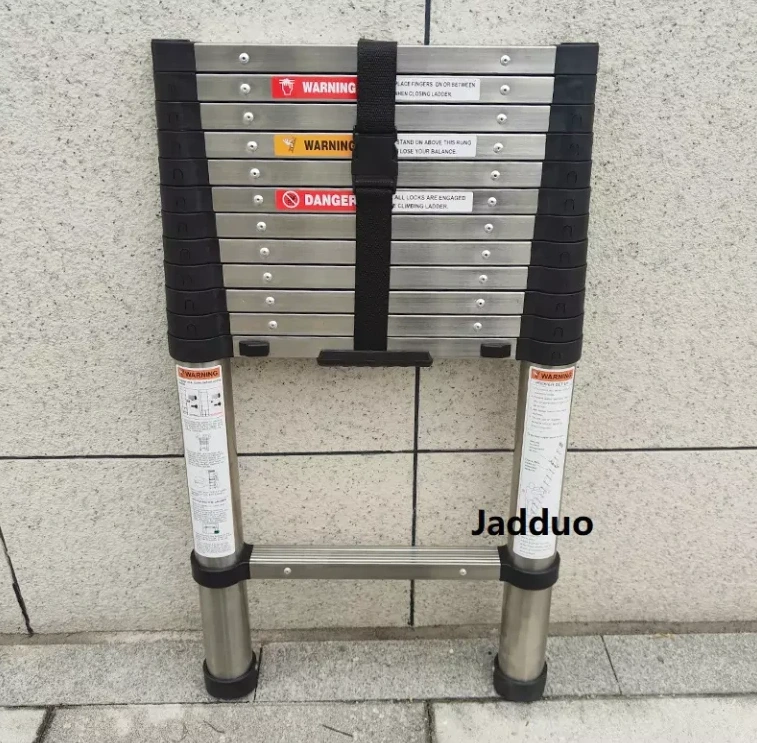
Telescopic ladders feature overlapping segments that slide out and pull back in a straight line. Each step secures firmly as it extends, enabling exact height tweaks. Jadduo’s Aluminum Alloy One Time Folding Telescopic Slow Down Ladder includes a managed gradual-close feature, which lessens abrupt falls and hand risks when folding back.
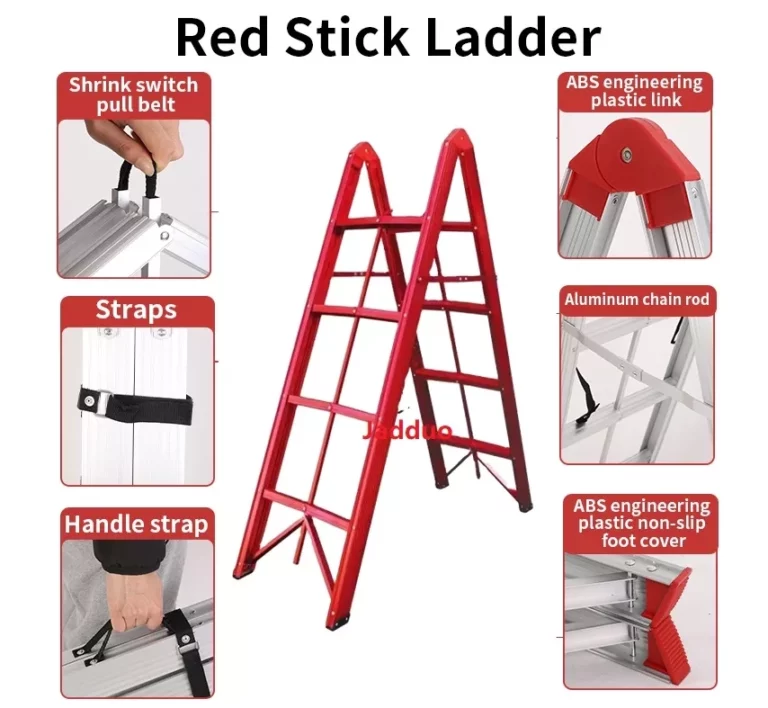
In contrast, normal ladders depend on set structures or pivot connections. Iron or steel versions typically have broader treads and unyielding sides, forming a robust frame that offers better steadiness while stepping. The setup remains basic, a trait that draws many for field tasks.
Portability And Storage Comparison
Telescopic ladders collapse to a small form. They slide neatly into auto compartments, camper holds, or tight utility areas. Such traits appeal to those on the go or with cramped quarters.
Normal ladders generally occupy more space. Foldable ones still measure longer and weigh more when packed away. That said, for folks storing in sheds or garages, bulk isn’t a big issue.
Typical Outdoor Use Scenarios
Telescopic ladders fit well with jobs requiring regular shifts or height variations, like clearing gutters or setting up seasonal displays. Normal ladders see more action in steady outside roles such as outer wall fixes or yard upkeep, where solid footing trumps mobility.
When Should You Consider a Telescopic Ladder for Outdoor Tasks?
Not every outside chore calls for a bulky ladder. Frequently, adaptability and simple hauling outweigh peak capacity.
Ease Of Transport And Compact Storage
Those hopping between sites find a telescopic ladder cuts hassle and time. It handles with a single grip and loads into rides without extra gear. This aids trades like wiring, upkeep, and road trips in campers.
The metal blend keeps it light yet tough for routine external handling. Its resistance to wear also suits damp or seaside spots.
Versatility For Variable Heights
Outside ground seldom levels out evenly. Telescopic ladders permit step-by-step height changes, aiding fits to diverse angles and access spots. This range proves handy on sloped roofs, branches, or bumpy yard soil.
Rather than lugging several sizes, a single telescopic unit meets multiple elevation requirements.
Aluminum Alloy One Time Folding Telescopic Slow Down Ladder
This Jadduo version targets safe stretching and pulling in. The gradual-close mechanism softens closing force, boosting security in repeated actions. With EN131 backing and a 150kg capacity, it serves pros and home users in field settings.
What Outdoor Jobs Are More Suitable for a Normal Ladder?
Certain outside roles require firmer balance and enduring steadiness. Here, a normal ladder tends to build greater trust.
Stability On Uneven Ground
Iron and steel ladders often include larger treads and a grounded weight center. These traits aid poise on dirt, turf, or stones. For prolonged efforts like coating outer surfaces or fitting hardware, reliable steps ease tiredness.
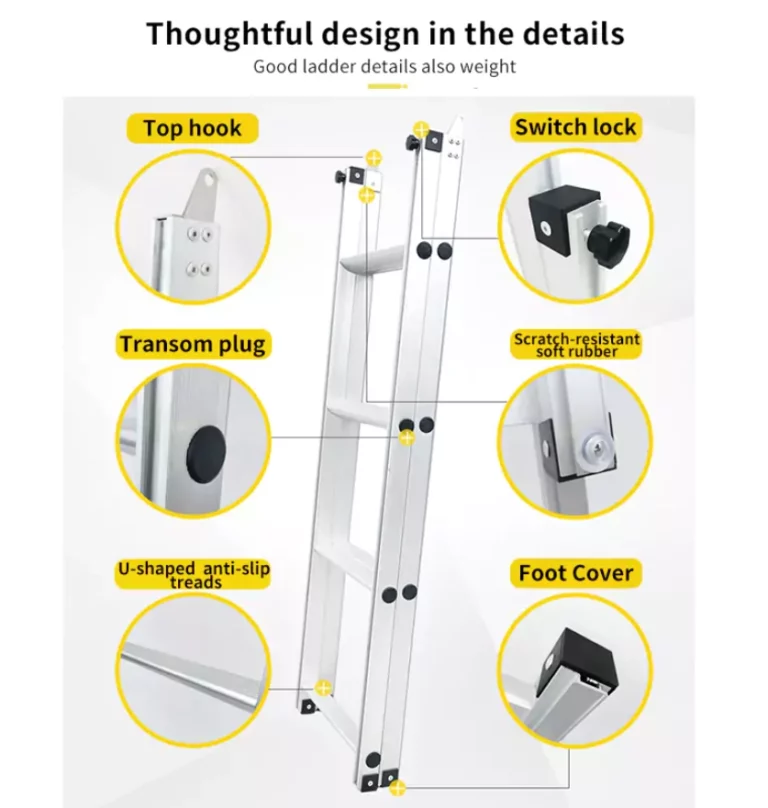
Upper hooks on some designs let ladders grip roof lines or supports, layering on protection.
Heavy Duty And High Load Scenarios
When hauling gear, containers, or supplies, steel ladders bear loads with comfort. Their frame bends minimally, fostering sureness at greater climbs.
Normal ladders resist grit and particles better too. Their plain links function steadily in harsh field spots.
One Time Folding Slow Closed Steel Ladder (2.6/3.2/3.8m)
Jadduo’s iron ladder line delivers varied lengths with 30cm tread gaps. The gradual-fold setup enhances security when packing, as the iron build supports heavy demands in tough outside work.
How Do Safety Features Differ Between These Two Types?
Safety tops priorities for outside ladder handling. Varied builds tackle hazards in distinct manners.
Locking And Extension Mechanisms
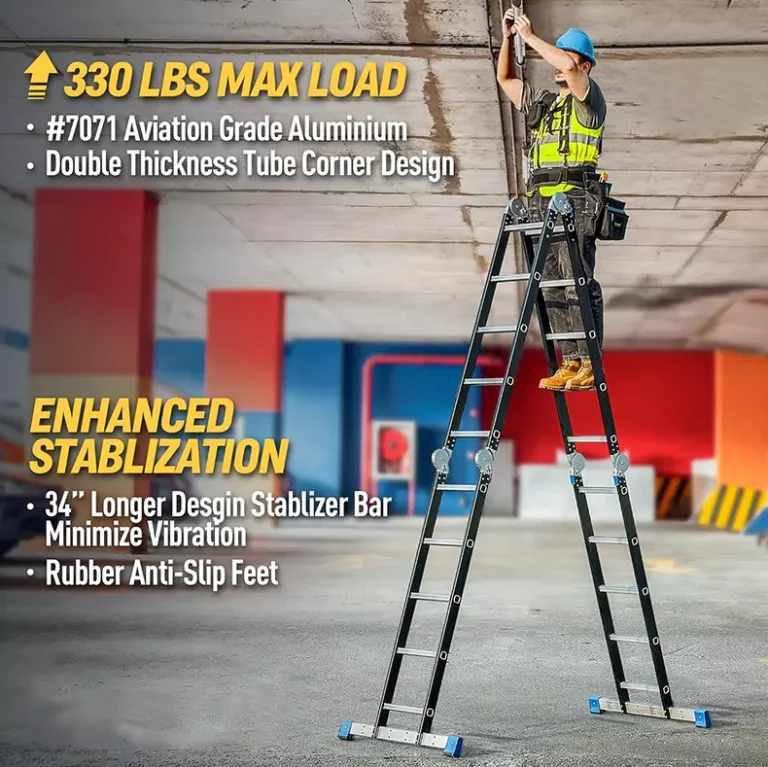
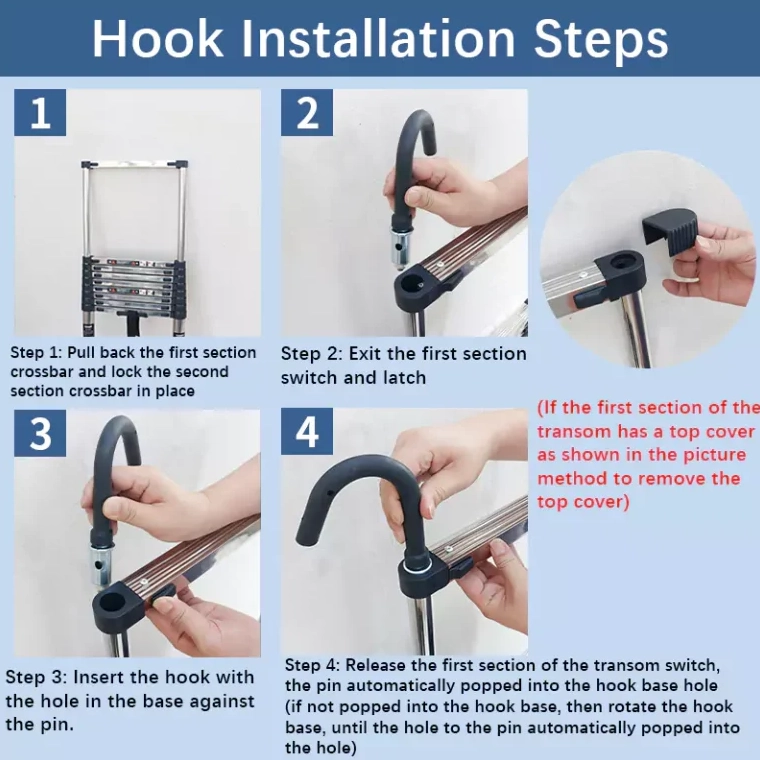
Telescopic ladders hinge largely on secure holds. Every tread needs full click to avoid slides. Top Jadduo units employ proven pins and guided shifts to lower breakdown odds.
Normal ladders lean on frame solidity more. Pivot spots and set builds allow simple eye checks, comforting some operators.
Foot Grip And Anti-Slip Design
Field floors heighten slide chances. Rubber bases, grip mats, and broad stands aid hold. Normal types boast bigger touch zones, whereas telescopic ones stress flexible pads.
Anti-Slip Cushion Iron Ladder With Hook Step
This Jadduo ladder merges grip base pads with upper grips for roof or support ties. It suits field areas needing added fixes, like roof entry or wall-secured efforts.
Why Does Material Matter for Outdoor Ladder Selection?
Picking materials shapes toughness, mass, and element resistance, key for external picks.
Aluminum Alloy Advantages For Outdoor Conditions
Aluminum blend ladders fend off corrosion and stay featherlight. They haul and pack simply, suiting frequent movers or solo handlers. They hold up in moist or wet zones too, typical in diverse sales regions.
Steel Ladder Durability And Strength
Steel ladders deliver superior stiffness and load handling. They stand firmer over time, ideal for repeated field duties. Though bulkier, they endure longer in rugged spots with right coatings.
Corrosion Resistance And Weather Tolerance
Jadduo applies finish layers and strict checks to boost field longevity in aluminum and steel alike. This manufacturing care underscores the firm’s aim for enduring value over quick savings.
How Do Portability And Storage Affect Outdoor Use?
Keeping spots frequently sway which ladder sees regular action.
Telescopic Ladder Compactness
A telescopic ladder tucks into bed undersides, closet nooks, or car holds. For space-pinched homes or mobile pros, this perk shifts daily routines.
Folded Steel Ladder Storage Space
Steel ladders call for hooks on walls or garage floors. Less tidy, they deploy fast when room allows.
Transport Ease For Garden And Roof Tasks
In yard trimming or roof checks, swift lift and reset of a ladder trims effort. Telescopic models frequently edge out here.
What Are The Best Practices For Maintaining Outdoor Ladders?
Right upkeep stretches ladder span and holds safety steady. Outdoor tasks involve mud, grit, and moisture, which require consistent care to prevent mechanical failure.
Cleaning And Rust Prevention Tips
Post-field use, clear off grime and dampness. For telescopic models, wipe the sliding segments with a dry cloth to prevent sand or grit from jamming the internal locks. On steel units, promptly touch up any scratches in the coating to stop rust from weakening the structure.
Regular Inspection And Wear Check
Scan holds, links, and bases often. Ensure telescopic pins click firmly into place and check that rubber feet haven’t worn thin from rough outdoor ground. For normal ladders, inspect pivot points for looseness and ensure the frame remains rigid without bowing.
Proper Storage After Outdoor Use
Stash in dry, covered areas to curb element harm. Prolonged UV exposure can make plastic and rubber parts brittle. Store telescopic ladders fully retracted to protect the mechanisms, and keep normal ladders on wall racks to save space and maintain their shape.
FAQ
Q1: Are telescopic ladders safe for outdoor use?
A: Indeed, if certified right and handled well. Jadduo’s EN131-approved telescopic models with safe locks suit field demands.
Q2: Which ladder is better for roof work?
A: Normal ones with grips and non-slip bases often yield steadier roof reach. Telescopic suits brief checks but lags in drawn-out roof efforts.
Q3: How long do outdoor ladders usually last?
A: Under good care, aluminum and steel both serve years. Build quality, coatings, and checks outweigh type in lifespan.