Ladders might seem basic, but the variations among ladder types can significantly impact safety, ease, and productivity at a work area. Two common styles that people often compare are platform ladders and podium ladders. Both offer a steady spot to stand, and they are commonly applied in building projects, upkeep of buildings, storage facilities, and DIY home tasks. However, the manner in which they assist the user is quite distinct.
For builders, upkeep crews, and even property owners, selecting the proper ladder typically depends on grasping how these styles function in actual conditions. Certain activities need greater height access, whereas others call for a firm work area during extended periods. Jadduo, a skilled ladder maker with worldwide reach and products meeting EN131 standards, emphasize useful builds that blend steadiness, ease of movement, and strong aluminum build.
This overview details the ways platform ladders and podium ladders vary, the settings where each excels, and the reasons why adaptable ladder styles are growing in favor as options.
What Defines a Platform Ladder and a Podium Ladder?
Prior to examining performance or protection, it is useful to comprehend the construction of these two ladder varieties. Although both deliver a level standing surface, their framework arrangement and planned use style are not identical.
Platform Ladder Structural Design
A platform ladder basically functions as a step ladder featuring a broader standing surface close to the upper part. Rather than balancing on a slim rung, the user positions on a bigger platform that ensures better equilibrium and space for minor shifts during an activity.
Such a build renders the ladder suitable for brief upkeep duties like applying paint, fitting bulbs, or minor fixes. The user can remain steady while also being able to shift the ladder swiftly when progressing through a work zone. Platform ladders appear often in household and work environments since they are straightforward, not heavy, and simple to keep.
Podium Ladder Guardrail Work Zone
A podium ladder advances the platform idea by incorporating barriers around the standing surface. The platform itself is more spacious, and the barriers form a compact surrounded work area where the user can turn toward various angles while receiving backing.
Due to this setup, podium ladders suit situations where a user must maintain the same elevation for prolonged times. Wire workers, building upkeep groups, and storage operators regularly employ podium ladders when they need both hands available for tasks above.
Standing Platform Functionality
The primary common element between these ladder kinds is the standing platform. In contrast to a standard step ladder rung, the platform distributes the user’s weight over a greater area. Consequently, this setup cuts down on weariness and boosts steadiness.
A broader platform further decreases the risk of sliding, particularly when combined with non-skid coverings and rubber base pads on the ladder bottom. Numerous current aluminum ladders incorporate these protection enhancements as elements of global guidelines applied in Europe and North America.
How Do Platform Ladders and Podium Ladders Differ in Safety Design?
Protection ranks as a chief factor behind these ladder builds. Even though both enhance steadiness over earlier ladder forms, the methods they safeguard the user are dissimilar.
Guardrails and Enclosed Work Area
Podium ladders center on the notion of a shielded work space. Barriers encircle the standing platform and offer backing for the legs and lower torso. This arrangement aids the user in leaning gently against the barriers while handling instruments.
Owing to this aspect, podium ladders find broad use in wire tasks, roof fittings, and review duties where equilibrium must stay constant. The user avoids needing to focus continually on foot placement, and this helps lessen tiredness in drawn-out work.
Slip Resistant Steps and Platform Stability
Platform ladders depend chiefly on firm step builds and a spacious upper platform instead of barriers. The ladder steps typically feature roughened surfaces that enhance hold during ascent.
For concise tasks that entail repeated shifting, this build performs effectively. A specialist applying paint in a space or tweaking light fittings might require relocating the ladder several times, so the reduced weight of a platform ladder turns into a benefit.
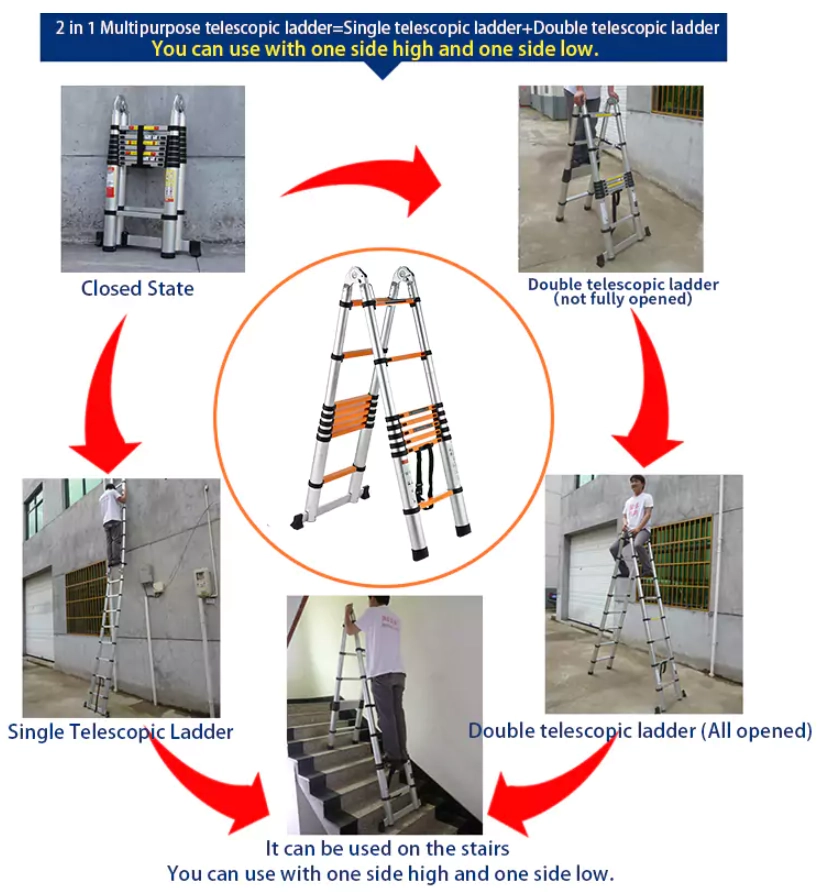
Balanced Frame and Anti Slip Foot Pads
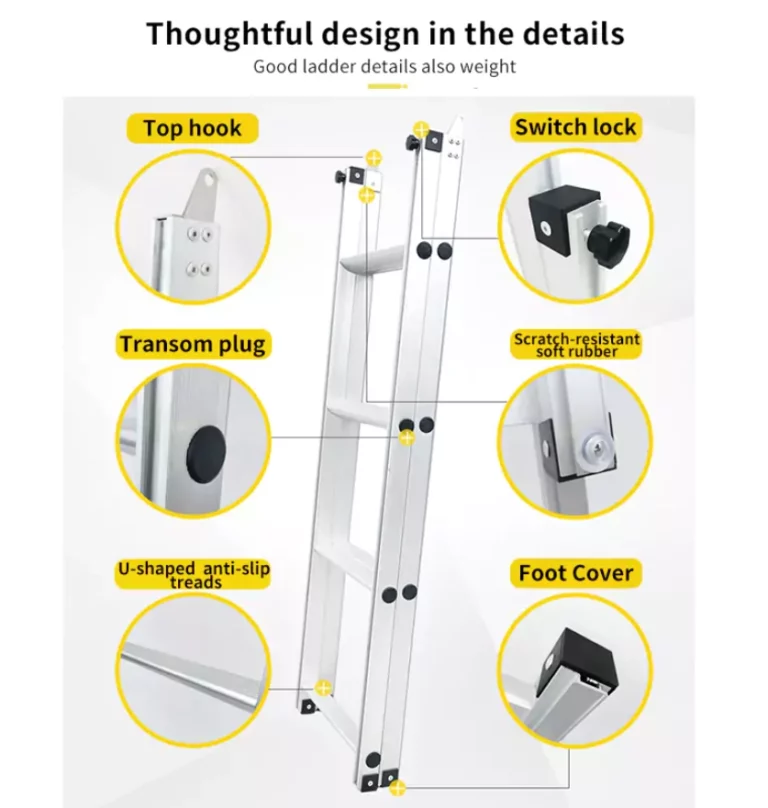
Both ladder varieties possess various key protection elements. The majority of up-to-date ladders employ strengthened aluminum structures paired with rubber or non-slide foot covers. These foot covers stop movement on even floors and also ensure improved grip with outside grounds.
Makers likewise stress dependable fastening connections. Dependable fastening setups maintain the ladder framework firm when completely extended, which proves vital for collapsible or multi-form ladder builds.
Which Jobs Are Platform Ladders Better For?
Platform ladders often get viewed as the most adaptable ladder form for routine duties. Their mix of steadiness and mobility renders them handy in numerous surroundings.
Maintenance and Home Improvement Tasks
In residences and modest business areas, platform ladders see frequent use for covering walls with paint, setting up light fittings, or mending roof panels. The standing platform delivers sufficient steadiness for brief duties without rendering the ladder cumbersome or hard to shift.
These activities generally involve traveling around the area, so users value the slimmer build and rapid assembly.
Construction and Outdoor Repair Work
At building locations, platform ladders commonly serve for completing walls, window duties, and outside fixes. They prove simple to relocate and grant secure entry to average elevations.
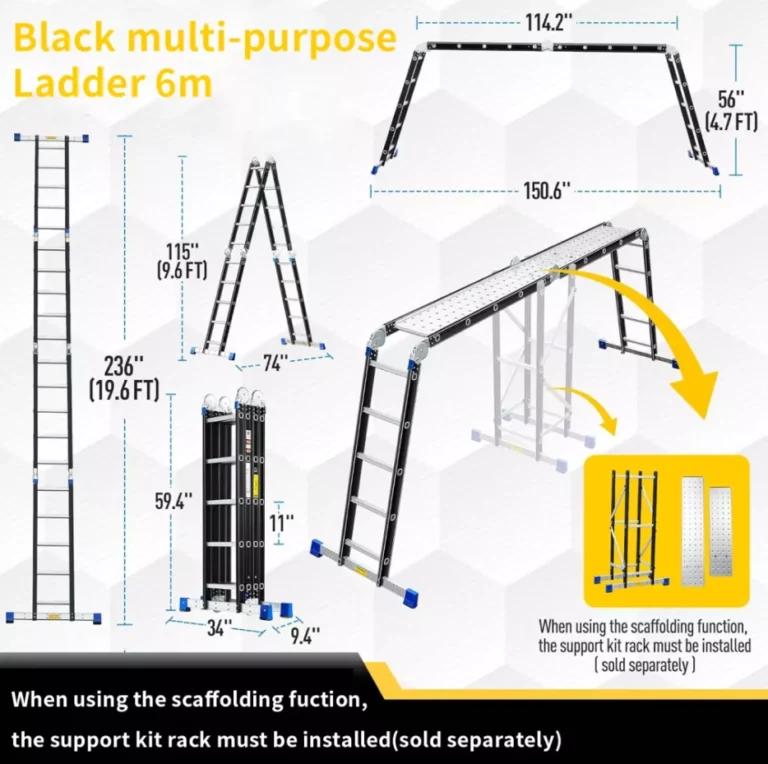
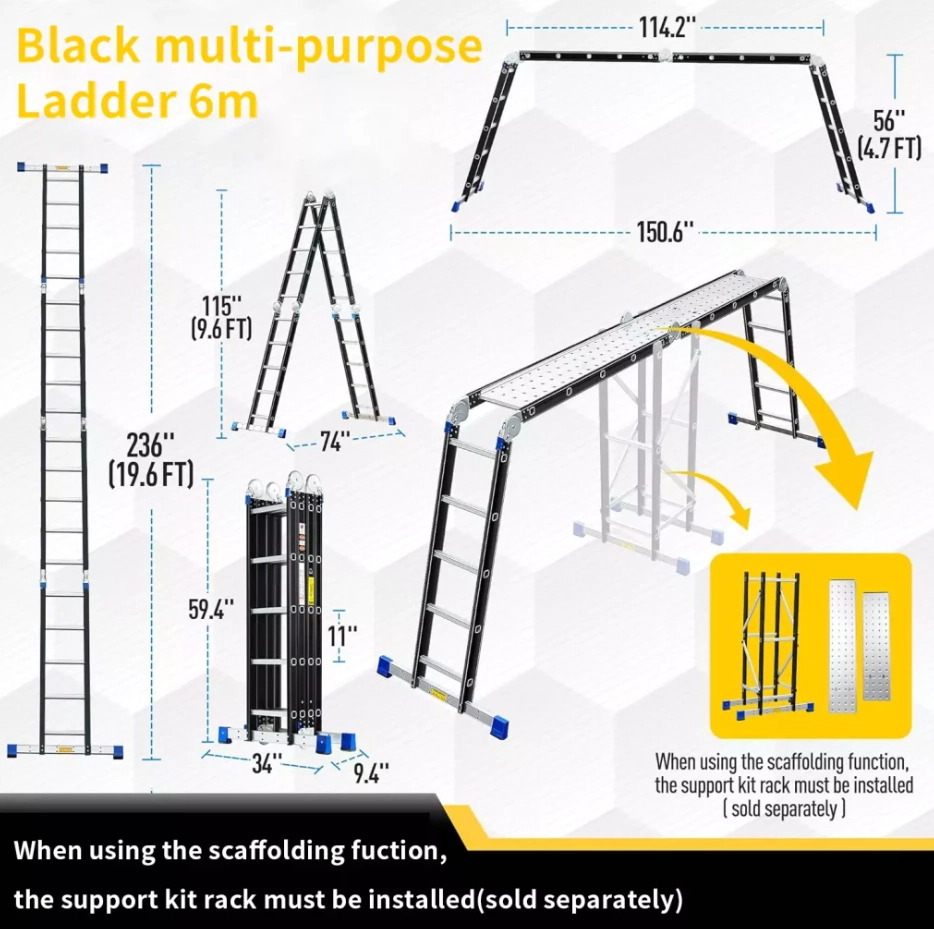
For ventures needing taller access, adaptable ladders like the Jadduo Black Multi-Purpose Ladder 6m often get chosen. This ladder can change among various setups, including A-frame, straight ladder, or scaffold backing, which notably broadens the scope of activities it manages.
Adaptable ladder builds also permit tasks on roof borders, outer walls, and upkeep like clearing drains or fixing roof tiles.
Multi Position Access for Various Heights
Adaptability stands as the chief asset of a platform-style ladder setup. Whenever the ladder can alter between distinct forms, users obtain entry to spots that typically would demand multiple instruments.
This explains why adaptable ladders are attracting notice in the worldwide ladder sector. Builders frequently favor gear that executes multiple roles while occupying minimal storage in transports or shops.
When Is a Podium Ladder the Better Choice?
Although platform ladders provide adaptability, podium ladders mainly aim for steadiness and comfort in extended work sessions. The surrounded work space forms a safer setting when instruments or supplies need handling at elevation.
Electrical and Ceiling Installation Work
Wire specialists and air system operators often deal with gear fixed on roofs. Fitting cables, light setups, or air components demands both hands and firm body stance.
A podium ladder lets the user stand firmly within the barriers, cutting the danger of balance loss. Thus, it simplifies focusing on skilled duties instead of fretting over footing.
Warehouse and Facility Maintenance Tasks
Podium ladders also gain popularity in storage areas where users check racks, light setups, or upper gear. As these duties frequently occur at consistent heights, steadiness matters more than fast relocation.
The bigger platform enables a user to stay at ease while extending to storage units or tweaking gear.
Long Duration Overhead Work Scenarios
Extended upper tasks can lead to exhaustion when using slim ladder rungs. Podium ladders address this by supplying a vaster surface that evenly backs the feet.
This added backing can create a notable impact in upkeep duties spanning hours. Users commonly note greater steadiness and reduced fatigue with podium ladders in such cases.
How Can a Versatile Ladder Replace Both Types?
Numerous specialists now favor gear that handles diverse roles. Rather than possessing various ladder kinds, a changeable ladder can frequently manage platform, outreach, and step ladder roles.
Convertible Ladder Configurations
Adaptable ladders can switch among A-frame, outreach, and scaffold setups. This permits a single ladder to address multiple work cases, from inside fixes to outside building tasks.
The Jadduo Black Multi-Purpose Ladder 6m serves as a standard instance. Constructed with light aluminum and fortified connections, it reaches loftier spots while folding for keeping.
Enhanced Safety Locking Mechanisms
Current ladder builds further feature upgraded fastening setups. Firm pivot connections secure the ladder in position after adjustment to a particular form.
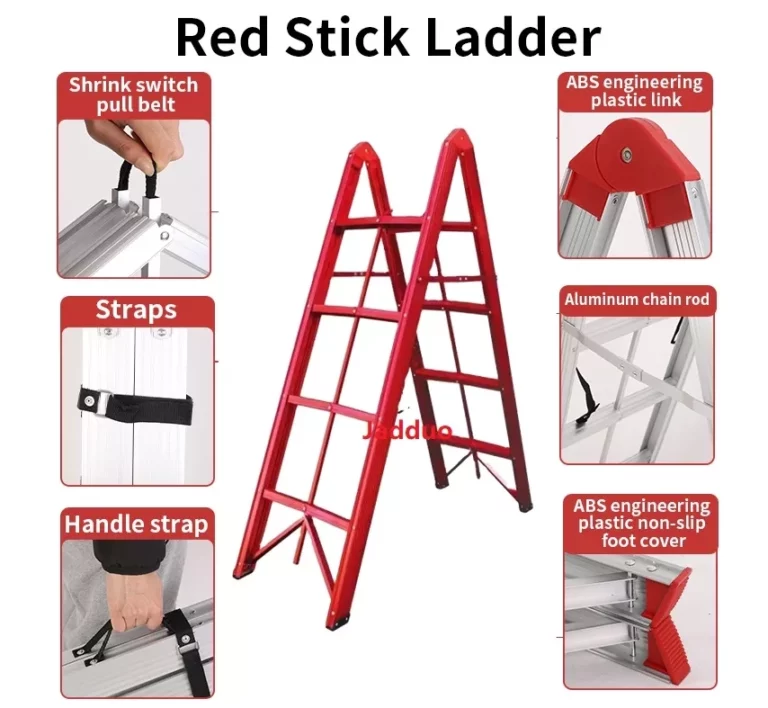
A further instance is the Jadduo Orange Step 2 In 1 Ladder with Finger Safety Gap. This build lessens the risk of finger injury during folding or adjustment, which is a minor yet valuable trait for daily users.
Portable and Space Saving Storage Design
Keeping space counts for many specialists. Big building groups might carry several ladders in vehicles, whereas property owners typically store them in sheds or service areas.
Collapsible adaptable ladders simplify storage and carrying. Their tight build lets them suit behind entries, within cupboards, or in vehicle holds, rendering them a sensible pick for many users.
Conclusion
Platform ladders and podium ladders pursue a parallel aim: supplying a safer spot to stand during elevated work. The variation rests in their support for the user. Platform ladders stress adaptability and rapid shifts, whereas podium ladders form a firm work space for prolonged duties.
For numerous specialists, the optimal answer might involve an adaptable ladder that merges various roles in one build. Jadduo keep advancing aluminum ladder setups that weigh durability, protection aspects, and flexibility for both factory and home applications.
Grasping these ladder varieties aids purchasers in picking gear that matches their actual work settings rather than depending on a universal fix.
FAQ
Q1: What Is the Main Difference Between a Platform Ladder and a Podium Ladder?
A: A platform ladder supplies a broader standing surface near the upper section but generally lacks barriers. A podium ladder features a vaster platform ringed by barriers, forming a more confined work space that backs the user in extended tasks.
Q2: Are Multi Purpose Ladders Safer Than Traditional Ladders?
A: Adaptable ladders can prove highly safe if they incorporate robust fastening connections, non-slide bases, and sturdy substances like aluminum. Their strength lies in versatility, enabling the ladder to adjust to diverse job settings without losing steadiness.
Q3: Which Ladder Type Is Best for Home Maintenance?
A: For routine home duties such as covering with paint, swapping bulbs, or clearing drains, a platform ladder or an adaptable ladder typically stands as the most sensible choice. These builds are slimmer, simpler to relocate, and fitting for a broad array of daily upkeep jobs.