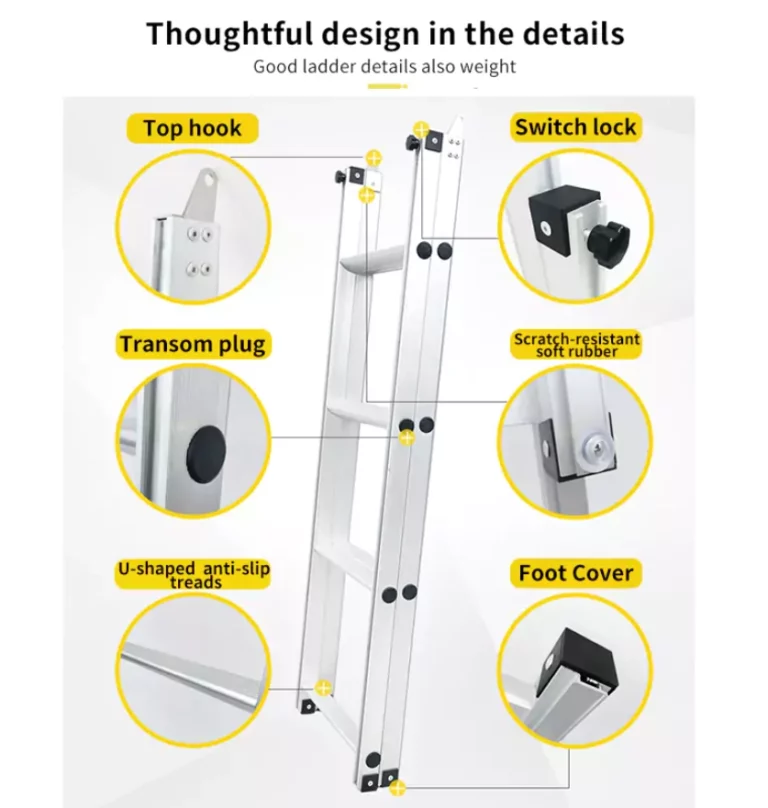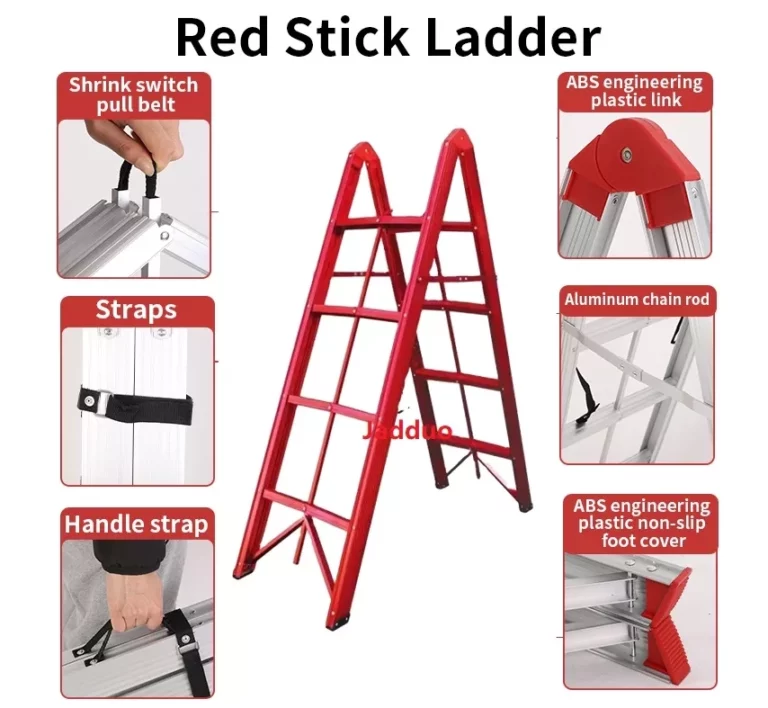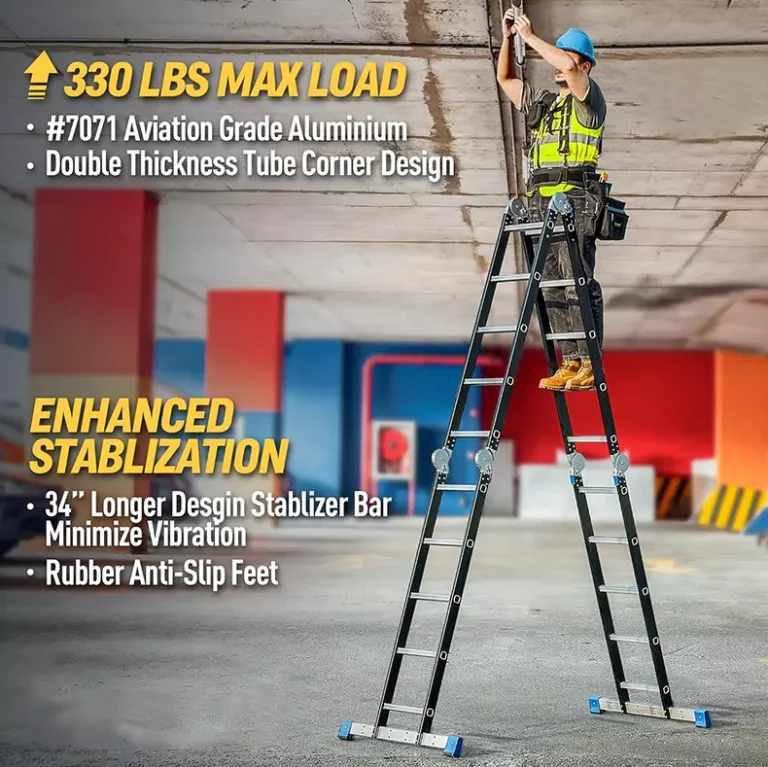
Falls from ladders continue to rank as one of the leading reasons for injuries at work and in homes around the globe. Often, the ladder isn’t at fault. Instead, the trouble stems from bad setup, particularly wrong stabilizer bar positioning. A ladder stabilizer bar aims to broaden the contact surface, cut down on sideways motion, and ensure the ladder stays steady against a wall or roof edge. Yet, its performance relies a great deal on the mounting location.
Knowing the proper spot to place a ladder stabilizer bar can truly boost safety, ease, and task speed. This guide covers where to install stabilizer bars, explains why the spot counts, and looks at how various ladder types—especially telescopic ones—manage balance in actual job scenarios.
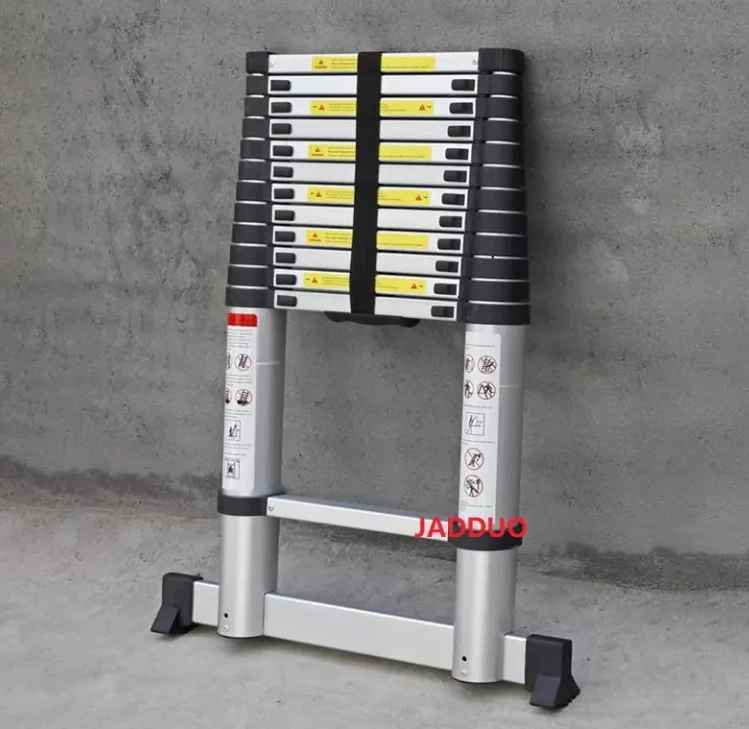
Why Does Ladder Stabilizer Bar Placement Matter for Safety?
Before diving into specific spots, it’s useful to grasp why stabilizer bar positioning holds such key importance in ladder safety. The stabilizer bar isn’t merely an add-on; rather, it alters how forces travel along the ladder while in use.
As a ladder leans against a surface, it generates pressure at the upper and lower ends. When that pressure becomes uneven or unchecked, the ladder might slide sideways or slip out at the bottom. A well-placed stabilizer bar assists in managing these forces effectively.
Load Distribution at the Ladder Top
Most ladder shifts occur close to the top rather than the base. This area is where the ladder touches the wall, roof edge, or gutter line. Placing the stabilizer bar in the upper part helps distribute weight over a larger area, avoiding focus on just one rung or rail.
Through this even spread, the stabilizer bar eases strain on the ladder’s structure and curbs abrupt changes when someone climbs or shifts stance. Such benefits prove vital for jobs like cleaning gutters or reaching roofs, where side forces often arise.
Wall Contact and Surface Protection
Correct stabilizer bar placement also improves surface touch. Lacking a stabilizer bar, ladder sides can gouge walls, harm gutters, or sit unevenly on edges and tiles. When mounted at the right level, a stabilizer bar forms two broad contact spots, holding the ladder firm while safeguarding the leaned-against structure.
Reduction of Side-to-Side Movement
Side-to-side rocking ranks among the most uneasy—and risky—sensations on a ladder. A stabilizer bar set near the top acts like a steadying rod, curbing lateral wobble and creating a more grounded sensation. For taller ladders, even minor cuts in sway can greatly raise user assurance and grip.
Where Is the Best Spot to Mount a Ladder Stabilizer Bar?
Although ladder styles differ, common practices and on-site experience suggest a clear guideline: stabilizer bars perform optimally when fixed near the ladder’s top, yet not right at the tip. This spot strikes a balance between steadiness, space, and handling ease.
Just Below the Top Rung
The top choice for stabilizer bar mounting is typically right under the highest rung or top step for work. Here, it bolsters the ladder at points prone to motion, all without blocking the lean against the surface.
If set too high, it might shrink the contact zone or complicate positioning. Conversely, a lower mount diminishes the stabilizer bar’s power to handle top-end shifts.
Above the Working Reach Area
Position the stabilizer bar higher than the primary climbing section. Doing so keeps it clear during ups and downs, yet it still offers complete backing. Should the stabilizer bar hover too near the used steps, it could restrict hand room or make the climb feel tight.
Aligned With the Ladder Rails
Positioning counts as much as height does. Fix the stabilizer bar straight across both ladder sides so that forces divide evenly. Bad setup might lead to twists or lopsided loads, which actually lessen stability rather than enhance it.
Solid ladder builds frequently include set spots for stabilizer bars, simplifying even placement and reliability.
How Does Stabilizer Bar Placement Differ by Ladder Type?
Ladders don’t all manage stabilizer bars alike. Telescopic, folding, and basic extension types each feature unique builds that influence stabilizer bar application.
Jadduo provides multiple telescopic ladder options crafted for solid footing, easing setup decisions.
Telescopic Ladder With Integrated Stabilizer Bar
Items such as the Hook Single Telescopic Ladder with Stabilizer Bar come with a built-in stabilizer bar setup. The bar deploys close to the upper part, offering instant side support as the ladder stretches out.
This setup fits well for roof lines and gutters. The hook element secures firm holds, and the bar rests at a prime level automatically, cutting down on errors. For builders and upkeep teams, it speeds things up while maintaining steady safety on various sites.
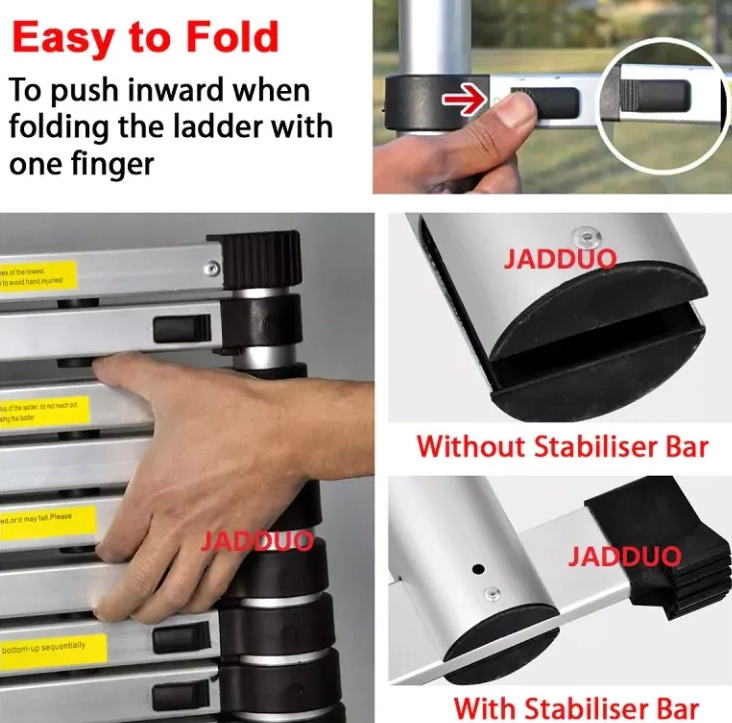
Standard Telescopic Ladder With Detachable Stabilizer Bar
The Single Telescopic Ladder with Stabilizer Bar gives greater adaptability. Users can attach the removable stabilizer bar at the suggested upper spot, based on job height and wall kind.
This choice works for those alternating between inside and outside work. For instance, detach it for tight indoor keeping, or add it for outer wall jobs. When fitted properly near the top, it supplies robust side backing without extra weight.
Folding Telescopic Ladder Without Fixed stabilizer bar
Certain ladders, like the Aluminum Alloy One Time Folding Telescopic Slow Down Ladder, prioritize smooth motion and small storage over set stabilizer bars. Here, firmness arises from broad non-slip bases, managed drop features, and strong lock points.
Even without a built-in stabilizer bar, proper angle and full lockout matter more. These models suit inside fixes, storage areas, and spots with little wall touch.
What Common Mistakes Should Be Avoided When Mounting a Stabilizer Bar?
With good gear in hand, setup errors can still cut safety short. Plenty of ladder mishaps tie back to minor slips that basic caution can prevent.
Mounting Too Low on the Ladder
Setting a stabilizer bar down low offers scant control over top shifts. It might broaden the bottom a bit, but it fails to check wobble up high, where balance troubles usually start. This can create a misleading feeling of safety.
Ignoring Surface Conditions
Surfaces vary in response. Brick, slick panels, roof tops, and gutters each demand tailored contact. Positioning without scanning for shaky edges, curves, or weak spots might cause slips while in action.
Improper Locking or Loose Fixing
Secure the stabilizer bar tightly. Wobbly screws, half-locked catches, or uneven pulls can spark motion when loaded. Newer ladder styles, including those from Jadduo, employ straightforward locks to lower such chances, though quick inspections remain essential before ascent.
How Do Jadduo Ladders Improve stabilizer bar Safety in Real Use?
Jadduo emphasizes ladder safety via full design, not just add-ons, to aid reliable performance in everyday settings.
Integrated stabilizer bar Bar Design
Built-in stabilizer bars eliminate uncertainty. By locking the bar at a tested spot, these builds guide users away from typical placement slips. This proves handy for regular outside work, where quick and uniform setup counts.
EN131-Compliant Structural Balance
Jadduo ladders adhere to EN131 rules, focusing on even loads, sturdy builds, and guided motion. Thus, stabilizer bars, sides, and locks integrate as a unit, rather than isolated pieces.
Application-Focused Ladder Solutions
Tailored for roof upkeep, gutter work, storage entry, and home fixes, Jadduo ladders embed stability from the start. These elements form core parts of the ladder’s aim, easing right use as time goes on.
FAQ
Q1: Can a ladder stabilizer bar be mounted in the middle of the ladder?
A: Generally, it’s not advisable. A middle mount hampers control of upper shifts. For best results, install stabilizer bars near the top, just under the top rung.
Q2: Do telescopic ladders really need stabilizer bars?
A: Yes, they gain much from stabilizer bars, particularly outdoors. Though their slim form aids storage, extra side hold cuts sway and boosts ease for longer jobs.
Q3: Is a stabilizer bar necessary for indoor ladder use?
A: For simple inside work on even floors, it might not be needed. That said, at higher spots or by sleek walls, a stabilizer bar brings added safety and steadiness.