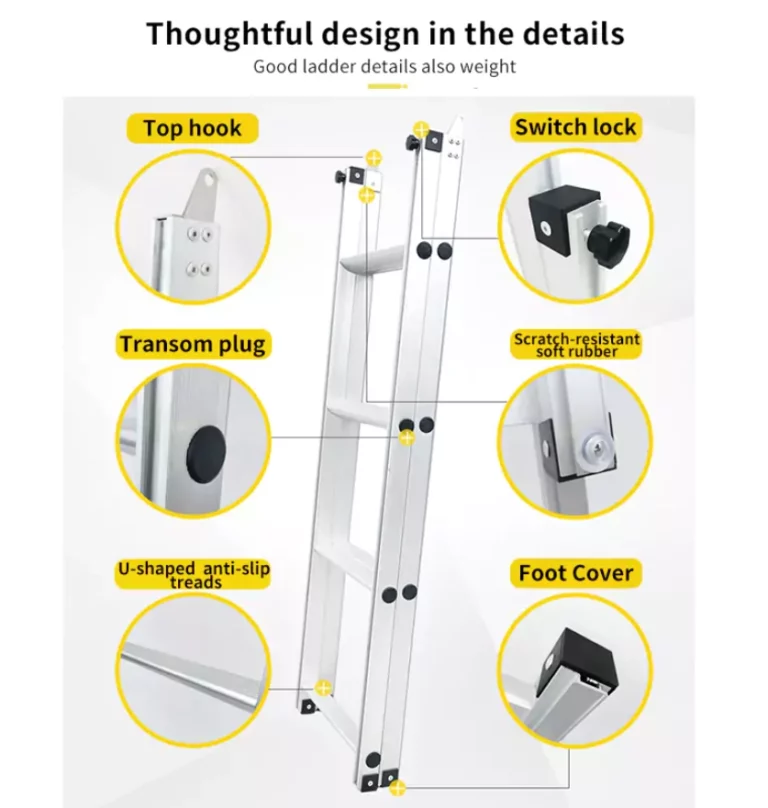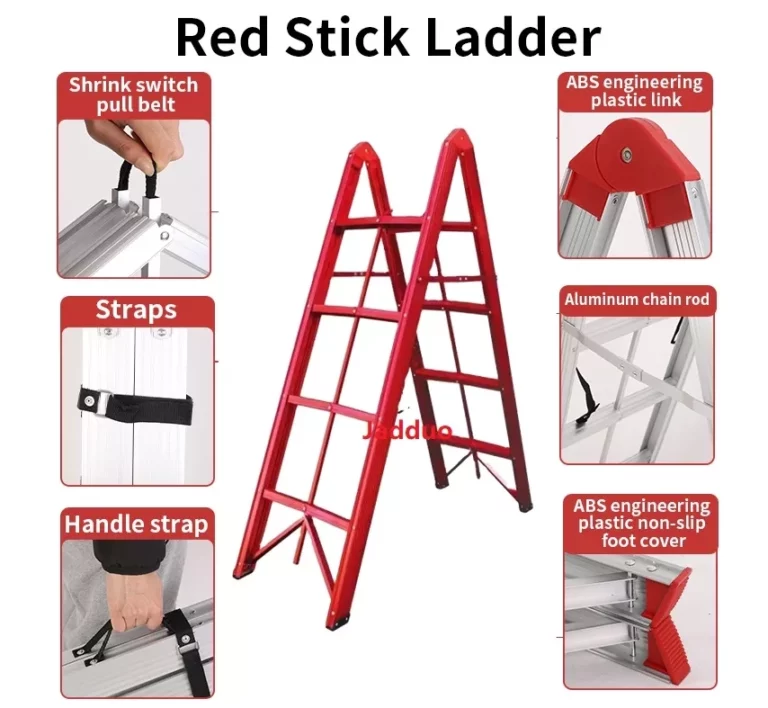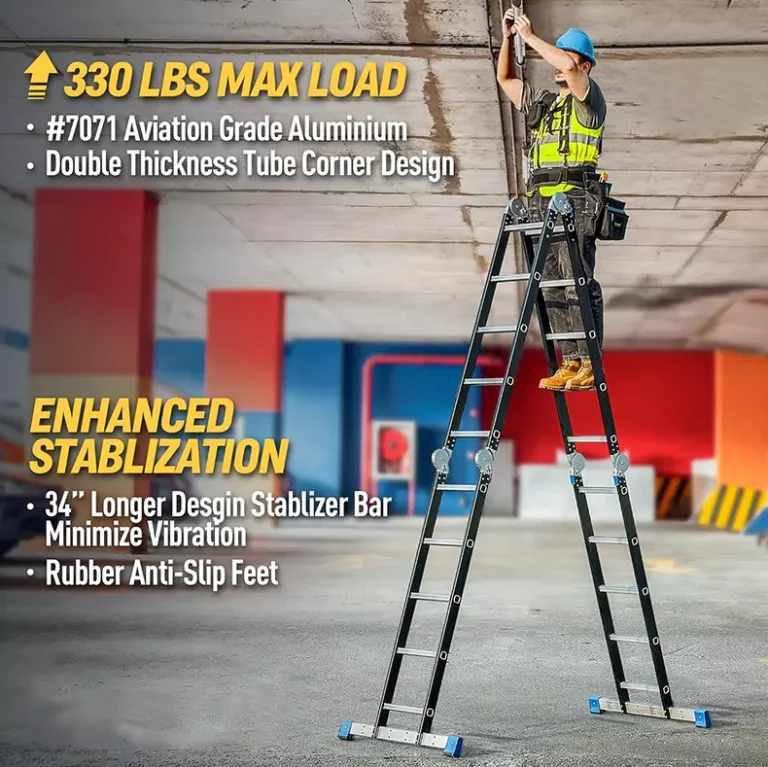
Household ladders appear in homes just as much as on work sites these days. Tasks like fixing ceilings, painting walls, or handling yard upkeep make them a regular feature in current home upgrades. As people use them more often, it becomes vital to grasp the core guidelines for safe and effective ladder handling. These guidelines stay straightforward, yet they call for care toward build quality, materials, placement, and everyday routines.
Companies such as Jadduo, located in Yongkang, which serves as China’s main hardware manufacturing center, put strong emphasis on ladder protection, toughness, and actual home applications. With items reaching over 50 nations and approvals like EN131 and CE Jadduo ladders center on these key guidelines instead of passing fads. This overview highlights the most critical aspects for picking and operating household ladders, and it links those guidelines to practical product builds found in routine settings.
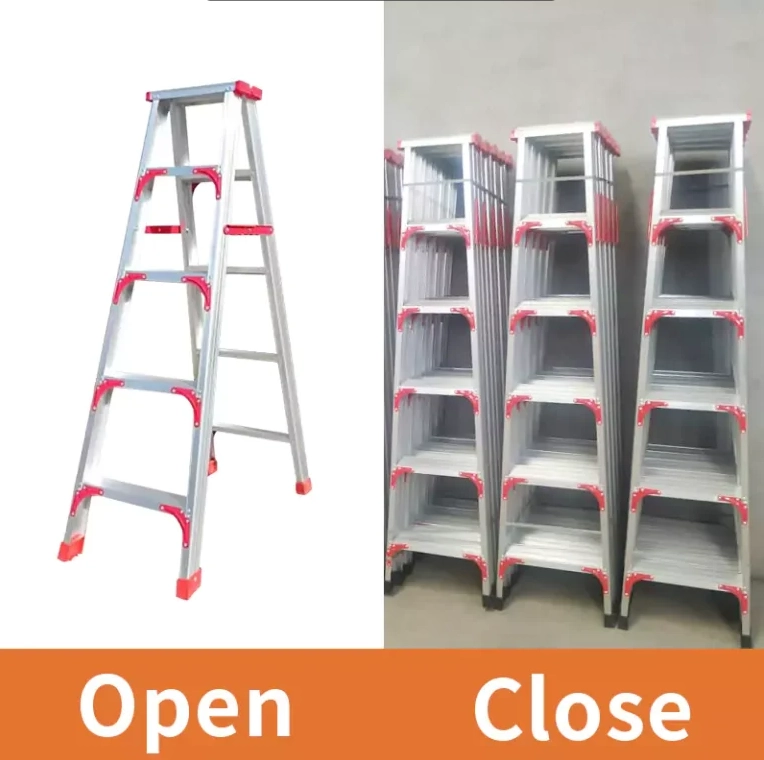
Why Are Safety Rules Important for Household Ladders?
Prior to examining materials or layouts, it proves useful to see why these ladder guidelines came about in the first place. In fact, a large share of ladder mishaps occurs right at home, rather than amid building operations. Factors such as slick surfaces, hurried jobs, or picking an unfit ladder kind frequently spark issues that proper steps could have sidestepped.
Importance of Safe Ladder Use
People tend to handle household ladders in a relaxed manner, and that approach breeds danger. A firm ladder bears body mass, gear, and shifts while elevated. Lacking solid guidelines, even a brief ascent might cause imbalance or strain on connections. Thus, safety guidelines shape how ladders get constructed, checked, and handled, transforming a basic item into dependable backing.
Common Household Ladder Hazards
Inside surfaces often prove glossy, whereas yard bases might sit unevenly. When you factor in animals, kids, or tight storage spots, risks climb quickly. Flimsy pivots, shaky rungs, or absent bracing also heighten the threat. Spotting these routine pitfalls clarifies why sturdy builds and secure fasteners hold such value.
Benefits of Following Ladder Safety Standards
Approved ladders adhere to mass thresholds, rung gaps, and material toughness evaluations. Such measures cut down on abrupt breakdowns and enhance ongoing reliability. For home settings, this leads to less need for swaps, reduced harm, and greater assurance in standard chores.
What Should You Consider When Choosing a Household Ladder?
No two ladders fulfill identical roles. Base your selection solely on elevation, and you may face unease or improper handling. Instead, a solid ladder aligns with the job, the surroundings, and the operator’s patterns.
Stability and Load Capacity
Before ascending a single rung, the ladder ought to feel secure. Capacity for load covers personal weight, attire, and equipment. Jadduo household ladders generally meet a 150 kg baseline load, which fits routine home and minor business duties. Broad rungs, bolstered connections, and bracing frames aid in spreading force uniformly.
Ladder Material and Durability
The choice of material impacts mass, longevity, and protection. Aluminum units fend off corrosion and remain light for inside jobs. Steel versions deliver added robustness in spots with steady or weightier demands. Picking the fitting material wards off weariness in operation and harm as time passes.
Appropriate Ladder Type for Task
Activities such as coating ceilings, cutting limbs, or mending drains each demand distinct ladder shapes. A rigid straight ladder might attain the needed rise, yet it falls short on adaptability indoors. Meanwhile, adjustable multi-form ladders or scaffold-like setups manage broader scenarios without repeated shifts.
How Do You Properly Set Up a Household Ladder?
The top ladder can falter if positioned wrongly. Placement guidelines aim to safeguard both the ladder and its operator.
Level and Firm Ground Placement
The ladder requires a steady base. For indoor spots, this involves dry, even floors. Outside, it calls for steering clear of soft dirt or bumpy paving. Grip-resistant base pads contribute greatly here, as they keep the ladder anchored amid motion.
Correct Angle and Support Points
Scaffold ladders along with A-frame types depend on accurate tilts to bear loads. Pivots and mounts must lock completely before any step. Incomplete fastening ranks as a frequent trigger for collapses in home scenarios.
Securing the Ladder to Prevent Slippage
During extended jobs, particularly by walls or overhead, added bracing limits shifts. Bracing frames, metal mounts, or broad foot designs boost ground touch and curb lateral wobble.
What Are the Key Safety Practices When Using a Ladder?
With the ladder placed, routines outweigh the equipment itself. Basic habits render everyday jobs safer and more fluid.
Maintaining Three-Point Contact
Holding two feet plus one hand, or two hands plus one foot, on the ladder bolsters equilibrium. This practice curbs abrupt changes that spark slides, above all when extending to the side.
Avoiding Overreaching and Sudden Movements
Reaching excessively tempts, but it endangers. Repositioning the ladder demands moments, whereas a tumble happens instantly. Firm ladders back motion, not quick fixes.
Inspecting Ladder Before Each Use
A brief scan for slack fasteners, frayed rungs, or harmed bases averts shocks. Home ladders frequently remain collapsed or tucked away for stretches, so checks gain extra weight.
When Should a Ladder Be Inspected or Replaced?
Every ladder has its limits. Knowing when to fix or swap preserves protection levels.
Signs of Wear and Damage
Splits by connections, warped rungs, or wobbly pivots indicate underlying issues. These markers emerge slowly, which underscores the need for steady reviews.
Scheduled Maintenance and Checks
Wiping grime from pivots, securing fasteners, and keeping ladders clear of dampness prolongs service. Aluminum fights rust well, but active components still require care.
End-of-Life Replacement Criteria
Once core elements soften or protection fasteners quit, swapping stands as the wiser path. Approved ladders aim for endurance, yet nothing should stretch past its bounds.
How Do Different Ladder Types Fit Household Needs?
Home setups seldom rely on a single ladder form. Varied styles address distinct areas and duties.
Step Ladders for Indoor Tasks
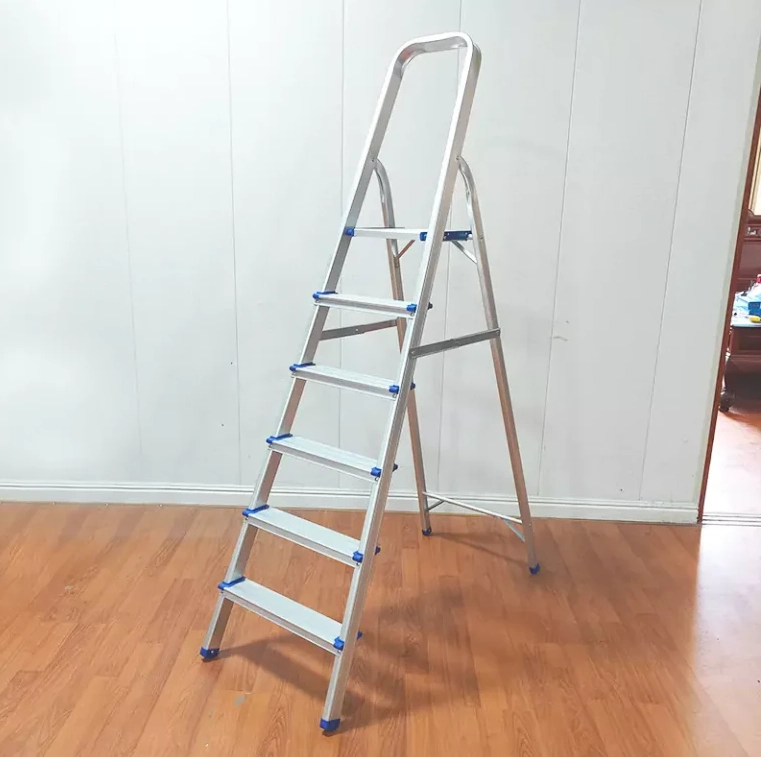
Step ladders provide self-standing firmness, so they suit swapping bulbs or coating walls perfectly. Jadduo’s Aluminum Hinge Ladder Stepping with Support Frame handles this duty nicely, for its pivot setup enables adaptable placement, while the bracing frame brings steadiness in drawn-out jobs. Plus, the aluminum frame maintains lightness for smooth shifts across spaces.
Extension or Multi-Function Ladders for Outdoors
Yard duties typically call for rise and flexibility. Units that switch from A-frame to straight modes trim storage while tackling diverse roles. That same pivot approach lets operators tweak elevation sans tool changes.
Heavy-Duty Ladders for Demanding Jobs
Sheds, shops, or regular upkeep demand sturdier frames. Jadduo’s Aluminium Ladder with Iron Bracket supplies bolstered backing for weightier burdens. The metal mount enhances flank firmness, rendering it apt for yard fixes or light trade work.
Why Choose Jadduo Ladders for Household Needs?
Selecting a ladder maker goes beyond cost. It signals faith in framework, trials, and sustained output.
Versatile Options Matching Different Use Cases
Spanning light inside units to steel kinds like the Steel Ladder Red Color, Jadduo meets broad home demands. This steel unit’s robust frame and bold hue finish align with steady or group areas where endurance trumps mobility.
Trusted Quality from Jadduo Products
Producing roughly 30,000 pieces monthly with worldwide reach, Jadduo crafts ladders for actual conditions. Plus, OEM and ODM aid lets builds grow from user input, not mere plant guesses.
FAQ
Q1: What makes a household ladder suitable for tasks?
A: A fitting ladder blends a broad foot, firm connections, and a steady deck. Bracing frames or metal mounts aid in load spread and motion cutback over prolonged duties.
Q2: Is aluminum or steel better for home ladder use?
A: Aluminum fits inside and mild yard jobs thanks to its slight mass and corrosion shield. Steel matches weightier or repeated work where robustness outweighs ease of carry.
Q3: How often should a household ladder be replaced?
A: Swap timing hinges on handling and state. Should connections slacken, rungs warp, or fasteners break, opting for a new ladder beats ongoing fixes for safety.