Setting up an extension ladder looks simple at first, but many accidents happen because small steps get ignored. Some users place the ladder on uneven ground. Others climb before checking if the locks are fully set. These little mistakes build up fast, especially during outdoor work. A safer setup usually begins long before anyone puts weight on the first rung. Companies such as Jadduo, known for its EN131-certified ladders and strong aluminum builds, offer tools that make this process a bit more stable and easier to handle during daily tasks.
Why Is Choosing a Certified Extension Ladder Important?
Before paying attention to ground conditions or ladder angles, selecting a ladder with proper safety standards already gives a strong starting point. A good extension ladder is not only about reaching a higher place. It also depends on how well the ladder stays firm, how the material holds up after repeated use, and whether the design suits different work moments. Many buyers who work with construction, warehouse jobs, or seasonal home tasks usually prefer makers who combine stable performance with strict testing. This is also why Jadduo has earned a good reputation in global markets.
Compliance With EN131 and ANSI Standards
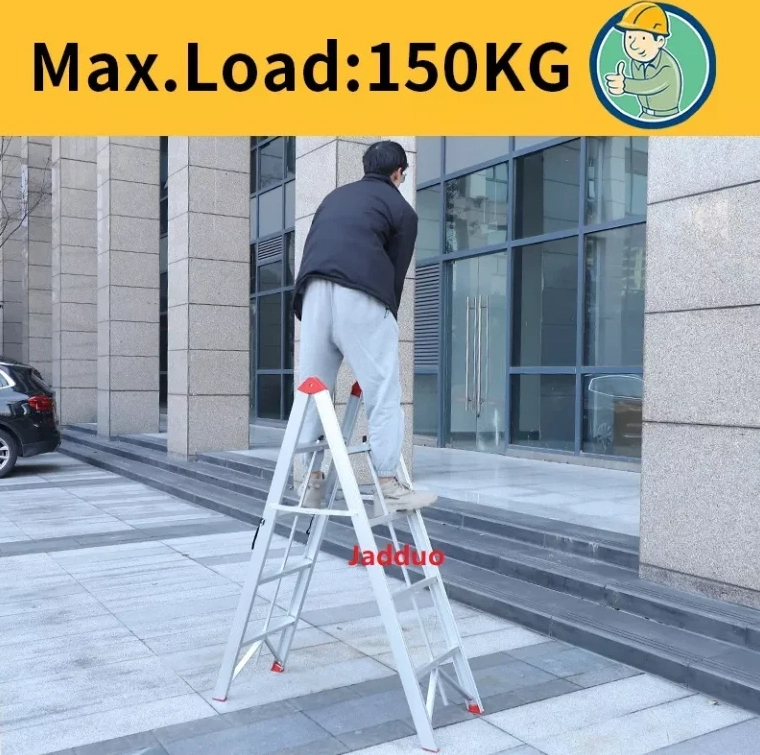
Certified ladders follow industry rules that aim to reduce risks. EN131 and ANSI standards check how the ladder handles pressure, how stable it feels, and how the load rating performs under repeated movement. Jadduo’s ladder lines, including its telescopic and stick ladders, come out of an ISO9001:2015 production system. They also go through tests based on EN131 requirements. These certifications matter a lot to buyers working in Europe and North America because they help lower safety complaints on job sites.
Material Strength and Load Capacity Requirements
A ladder’s long-term quality depends heavily on its material. Aluminum remains a favorite among many workers because it is lighter than steel and doesn’t rust easily. It also feels easier to move around. The A-Frame Design Stick Box Ladder Aluminum is built with high-strength aluminum tubes processed through pipe cutting, drilling, stamping, and assembly in Jadduo’s facility in Yongkang. This makes it strong enough for daily indoor chores and also tough enough for harsher outdoor tasks.
Product Options Tailored for Different Working Conditions
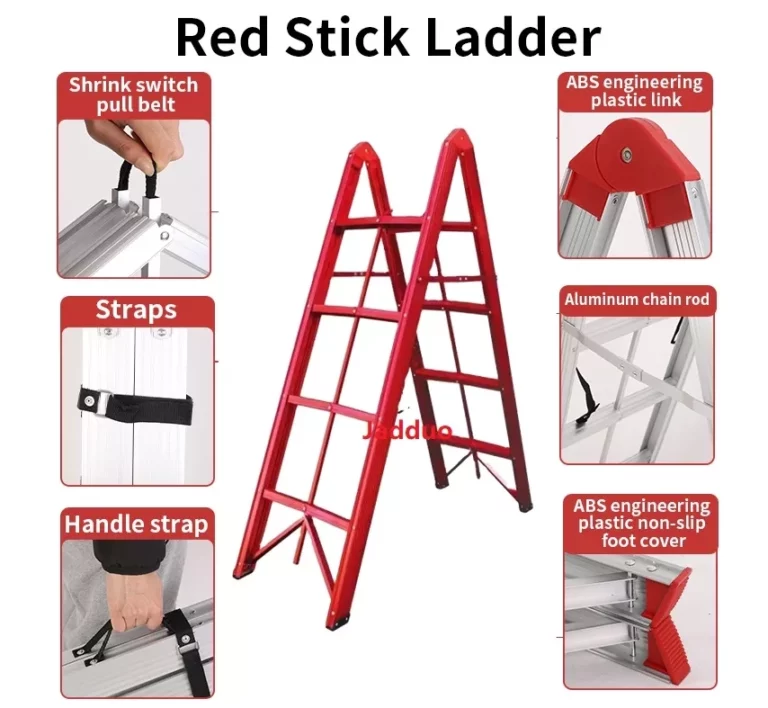
Not every job is the same, so different ladders make sense. The Jadduo Black Oxidized Twin-sided Stick Ladder is perfect for dirty or rough job sites because the dark finish hides scratches and stands up to hard use. A twin-side design is also convenient because users can climb from either side. The Red Oxidation Stick Aluminum Box Ladder offers a bright finish with an oxidation layer that helps resist corrosion. With several ladder styles available, users can match the task—whether roofing, trimming branches, or warehouse picking—with the model that feels the most suitable.
How Should the Ground Surface Be Prepared Before Setup?
Even the strongest ladder can feel shaky if the ground isn’t ready. A small patch of soft dirt or a hidden stone can affect balance. Because of that, checking the ground before setting up the ladder is an easy way to reduce unnecessary problems.
Level and Firm Ground Assessment
Extension ladders work best on solid, even ground. Loose soil, soft grass, or broken pavement make the ladder tilt slightly and change how it carries weight. Many workers press down with their foot to feel if the ground is steady, then shift the ladder until it feels more balanced.
Anti-slip Footing and Bottom Stabilizers
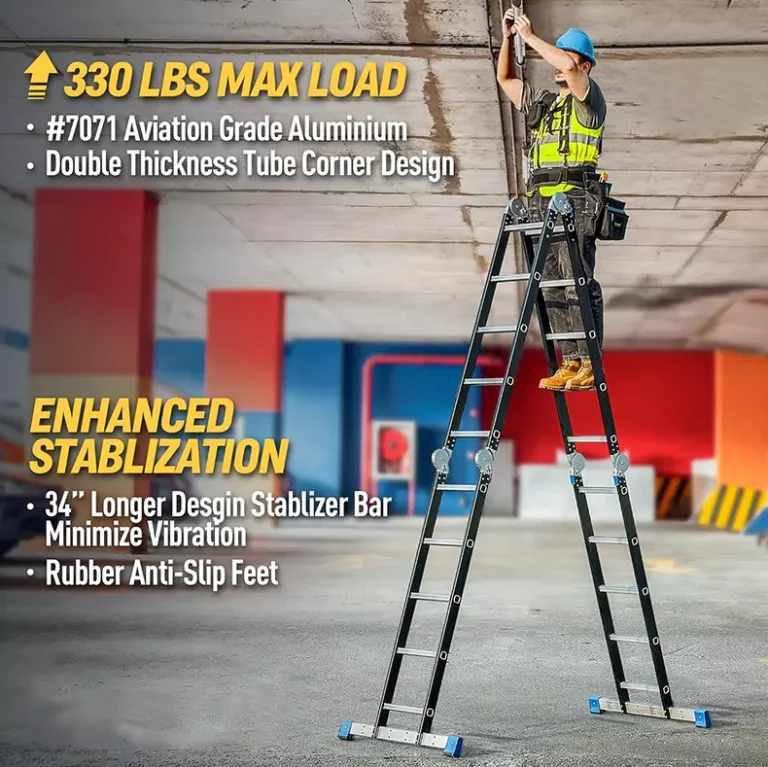
Anti-slip feet help grip the floor, even on smooth surfaces. Bottom stabilizers also spread the pressure better, which keeps the ladder from sliding backward. Many Jadduo models include thick rubber pads that grab onto surfaces without leaving marks.
Avoidance of Wet, Oily, or Uneven Surfaces
Wet spots, oil patches, or tilted ground make ladders shift faster than people expect. Finding a dry, flat area or placing a stabilizing board can help create a safer base before climbing.
What Angle Ensures a Safe and Stable Extension Ladder Setup?
The angle of the ladder plays a huge role in how it supports weight. If the ladder is set too straight, it may tip backward. If it sits too flat, it may slide from the bottom. Both situations create avoidable risks, especially during exterior house work.
75-degree Rule for Optimal Support
The 75-degree angle is a well-known guideline for extension ladders. Some workers test this by standing near the base. They touch their toes to the ladder’s feet and stretch their arms forward. If their hands touch a rung comfortably, the angle is usually right.
4-to-1 Placement Method for Exterior Work
For every four units of height, the ladder should be placed one unit away from the wall. This 4-to-1 method is widely used during gutter cleaning, roof repairs, and exterior maintenance tasks to prevent sudden slipping.
Visual Inspection to Confirm Ladder Alignment
A quick look from the side helps check if the ladder sits straight or if it leans to one direction. Small adjustments during this stage make the ladder more stable once the user climbs.
How Can Users Secure the Ladder Before Climbing?
Even with the right angle and ground setup, the ladder still needs secure locking before anyone steps on it. Many issues happen because users climb too fast and forget to check the locks, hinges, or extension joints.
Locking Mechanisms Fully Engaged
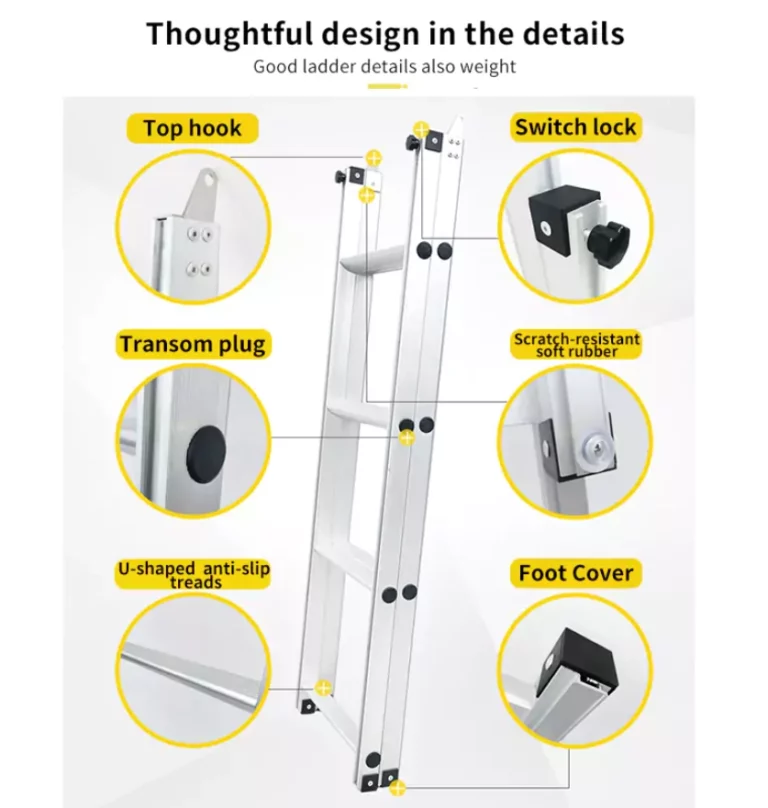
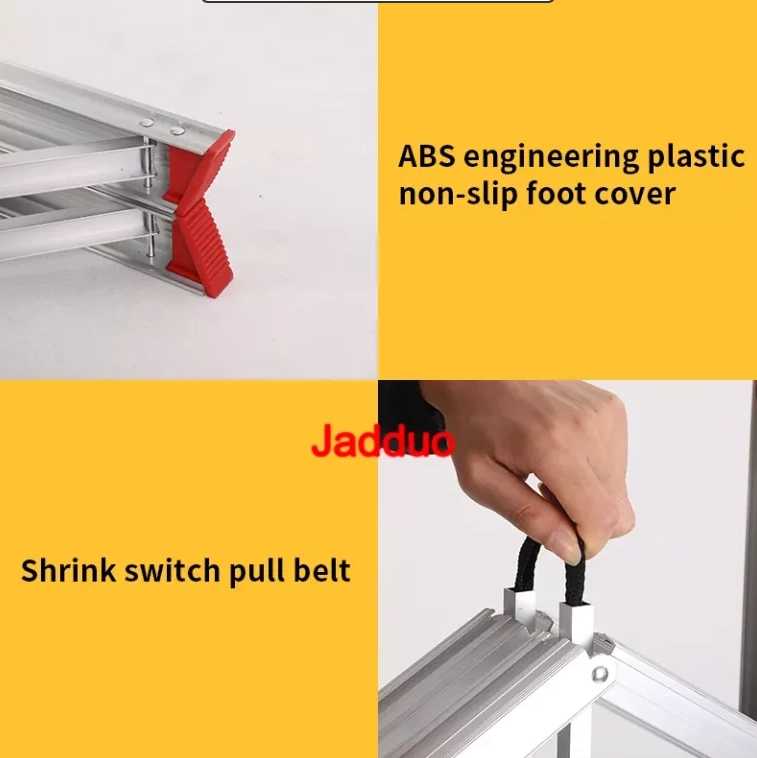
Locks, hinges, and extension clasps should click firmly into position. Jadduo ladders use strengthened locking joints produced by riveting, pressing, and careful assembly. These parts help keep the ladder steady once extended.
Top Support Against Walls or Roof Edges
The top two rungs should rest flat against something solid a wall stud, fascia board, or gutter that won’t break. Never lean the ladder on weak siding or windows.
Use of Safety Straps, Stabilizers, or Tie-downs
On windy days or smooth surfaces, a simple strap or ladder stabilizer bar tied to the house makes everything much safer.
What Checks Should Be Done Before Each Use?
A quick walk-around inspection takes thirty seconds and catches problems early.
Rung, Joint, and Rail Condition Review
Look for bent rungs, cracked side rails, or wobbly joints. If you see damage, don’t use it until it’s fixed or replaced.
Hardware Tightness and Component Integrity
Bolts and rivets loosen from bouncing around in a truck. Give everything a quick tighten when you can.
Surface Cleanliness to Avoid Slippage
Mud, sawdust, or grease on the rungs is slippery. Wipe them clean with a rag before you climb.
How Can Users Climb and Work on an Extension Ladder Safely?
Even if the ladder is set up correctly, climbing techniques still matter. Quick movements or leaning too far to one side can throw off balance. Safe climbing habits help reduce these risks.
Three-point Contact While Climbing
Always keep three points touching the ladder two hands and one foot, or two feet and one hand. It feels slower but keeps you balanced.
Controlled Body Movement and Center of Gravity
Climb smooth and slow. Keep your belt buckle between the side rails. Leaning way out to reach something is the fastest way to tip the ladder.
Use of Tool Belts Instead of Hand Carrying Items
Carry tools in a belt or hoist them up with a rope. Having both hands free makes climbing safer and easier.
When Should Professionals Consider Upgrading to Premium Ladder Options?
Some jobs beat up cheap ladders fast. If you climb every day or work outside a lot, spending more on a better ladder pays off quickly.
High-altitude or Long-duration Maintenance Tasks
Roof work or tall building maintenance feels safer on the Black Oxidized Twin-sided Stick Ladder because it’s extra strong and lets you climb from either side.
Outdoor Work With Weather Exposure Requirements
The Red Oxidation Stick Aluminum Box Ladder has a special finish that fights rust and sun damage longer than plain aluminum.
Frequent Setup and Transport Scenarios
People who load and unload ladders all day love the A-Frame Design Stick Box Ladder Aluminum because it’s light but still tough.
FAQs
Q1: How often should an extension ladder be replaced?
A: A good one lasts many years. Replace it if you see deep cracks, bent parts, or locks that won’t stay closed.
Q2: Can aluminum ladders be used in all weather conditions?
A: They handle rain and sun fine, but always dry the rungs before climbing and store them out of constant wet.
Q3: What safety rating is recommended for professional use?
A: Look for EN131 or ANSI labels. Those are the ones trusted on real job sites.