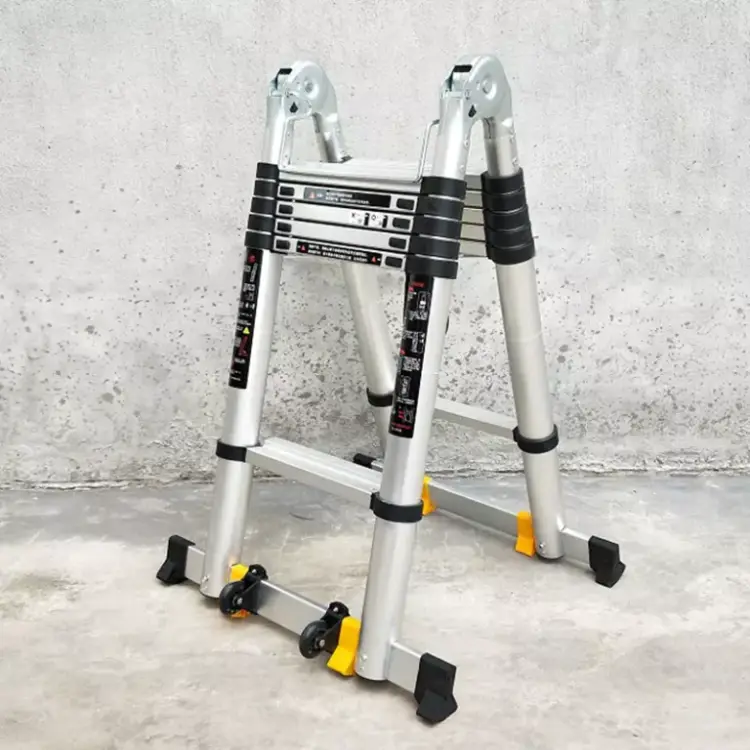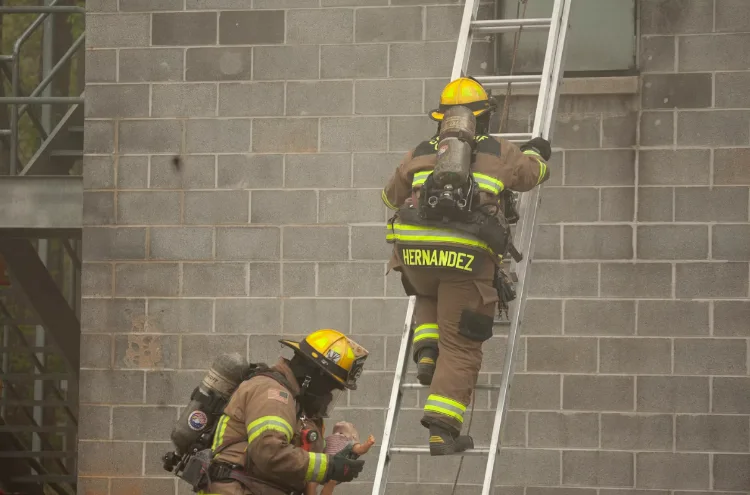
A rooftop tent ladder replacement needs to match the tent connection, usable access height and packed storage space. Buying the same advertised ladder length does not establish compatibility. Two ladders can extend to a similar length yet use different hooks, locking systems or mounting widths.
Start with the tent model and its original ladder specification. Then measure the attachment, photograph the mounting points and check the required ladder position against the manufacturer’s instructions. This gives a supplier enough information to assess a replacement before you order. It also helps importers avoid offering a ladder as a universal spare when its fit has only been checked on one tent.
Establish What the Original Ladder Does
Record the tent brand, exact model, production version and any identifying details on the original ladder. A product name alone may cover several generations with different fittings. Include photographs of the open tent and the connection from the front and side.
Ask the tent manufacturer whether the ladder provides access only or also supports part of the deployed tent floor. That distinction changes what a replacement must do. Do not assume a ladder with a suitable personal load rating is approved to support the tent structure.
If the ladder was damaged during a fall or impact, arrange for the tent attachment to be checked as well. Replacing the ladder does not establish that the mounting points remain serviceable. Keep the damaged assembly out of use until the cause and any associated damage have been assessed.
Measure the Connection Before Comparing Lengths
The upper connection is often the first reason a replacement will not fit. Hooks that look similar in a photograph can differ in opening, depth, spacing and retention method. Bolted brackets add another set of dimensions, including hole spacing and the required fasteners.
Measure the existing interface rather than estimating it from the ladder’s overall width. Send a dimensioned sketch with clear reference points. For example, distinguish the distance between the centres of two hooks from the outside width of the ladder rails. Both may be needed, but they are not interchangeable.
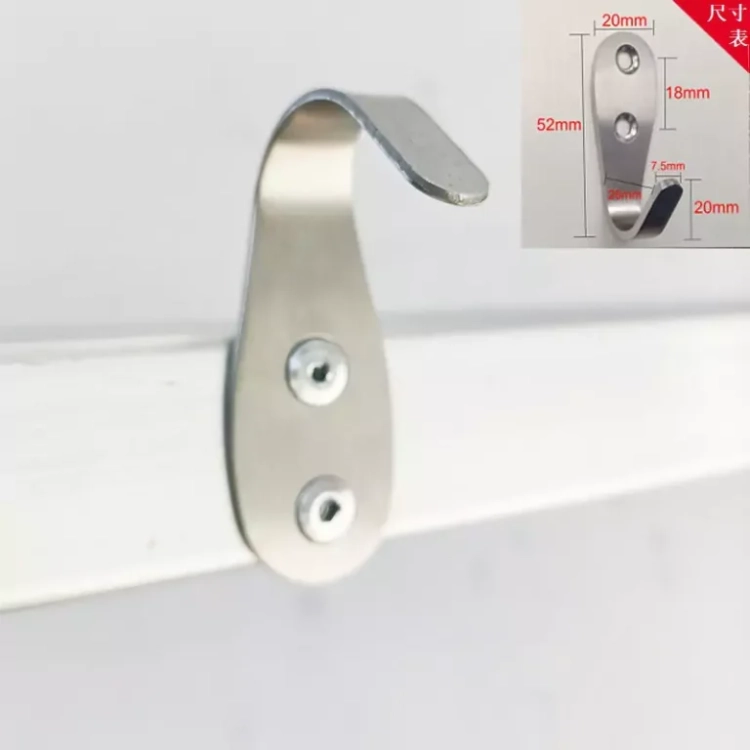
The Jadduo telescopic tent ladder with hooks illustrates why the attachment deserves its own check. Its product page shows the hook separately from the complete ladder. That image is useful for discussing the interface, but a photograph is not a substitute for an approved drawing of the current assembly.
| Check | Information to record | Why it matters |
| Upper attachment | Hook or bracket shape, opening and spacing | Determines how the ladder engages with the tent |
| Retention | Specified pins, bolts, clips or other hardware | Helps confirm the connection is complete |
| Access height | Ground to the specified upper connection | Supports selection of the usable length |
| Working position | Required angle and allowed extension settings | Affects reach and tread orientation |
| Packed envelope | Closed length, width and depth including fittings | Determines whether the replacement can be stored |
Do not drill new holes, bend hooks or substitute fasteners simply because the replacement is close to fitting. Ask for a manufacturer-approved solution. A modification can affect both the connection and the evidence supporting the original product design.
Separate Ladder Length From Access Height
Measure vertically from firm, level ground to the upper attachment with the vehicle and tent in their intended configuration. Changes to a roof rack, vehicle suspension or mounting arrangement can change this measurement. Repeat it after such changes rather than relying on the old purchase record.
Advertised ladder length runs along the ladder. It is not the same as the vertical height reached when the ladder is inclined. The working angle and permitted adjustment positions therefore matter alongside maximum extension. Ask the supplier for the usable length range in the approved tent installation, including any restrictions on intermediate settings.
Check the Angle for the Exact Assembly
Avoid applying one angle to every rooftop tent ladder. For example, the Jadduo 2X4 extension tent ladder page describes treads that become parallel to the ground when the ladder is positioned at 70 degrees. This is a feature of that design, not permission to use every tent ladder at the same angle.
The tent and ladder instructions must agree on the installed position. If they appear to conflict, obtain clarification before use. A steeper position chosen to make a short ladder reach may change the intended footing and tread orientation; moving the feet further out is not a general solution either.
Ground conditions also matter. A suitable advertised length does not make loose or unstable ground acceptable. Plan a location that meets the manufacturer’s support requirements rather than trying to compensate with improvised packing under the feet.
Compare Published Dimensions Without Assuming Fit
Model-level specifications are more useful than a category label such as “telescopic tent ladder.” Jadduo‘s hook-style listing gives a length of 2.2 m and a closed length of 75 cm. Its 2X4 listing gives a length of 2.05 m and a closed length of 115 cm. The two products therefore have quite different storage requirements despite their relatively similar extended lengths.
Those published figures help create a shortlist. They do not show that either model fits your tent. Confirm current dimensions and the attachment drawing before ordering, particularly if the product will be sold as a replacement for a named tent model.
For storage, measure the actual compartment or approved carrying position. Include protruding hooks, straps and protective packaging where relevant. Check whether the ladder can be removed and secured without damaging nearby equipment. Do not assume it can travel inside the closed tent unless the tent manufacturer permits that arrangement.
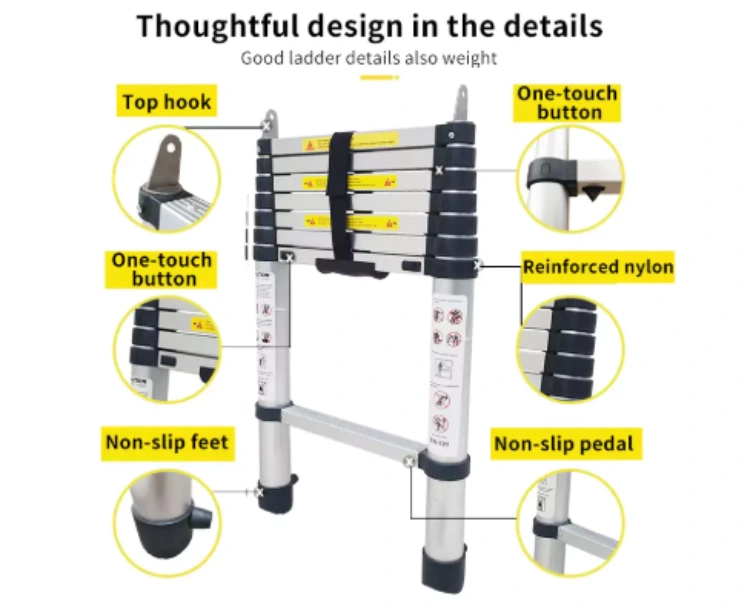
Jadduo also lists one-button telescopic tent ladders in several lengths. Treat these as alternatives to investigate against the same fit record. Choosing a release style or a longer version does not remove the need to check the connection.
Confirm the Load Rating and Locking Procedure
Read the rating and instructions for the exact model supplied. Include the climber and anything carried when checking the intended load against the stated limit. A rating printed on a ladder is not a rating for the roof rack, tent floor or attachment brackets. Each part of the assembly must be suitable for its intended role.
Ask for the opening and closing instructions before the first installation. The UK’s Health and Safety Executive guidance on telescopic ladders explains that telescopic designs do not all operate in the same way. It advises checking that each section’s locking mechanism works and following the manufacturer’s procedure, including precautions against trapping fingers.
An unloading or unpacking check should identify visible damage, missing fittings and operating problems. It cannot prove the strength of internal components. If a section fails to lock, a rail is bent or the operation is uncertain, stop and seek qualified advice. Do not climb to “test” a questionable replacement.
Send One Complete Replacement Enquiry
A clear enquiry reduces repeated messages and makes the compatibility decision easier to document. Put the tent identification, measurements and photographs in one file. State whether the request is for one personal replacement, an accessory supplied with a tent, or a spare part intended for resale.
Include the required upper connection, vertical access height, packed-space limits and the manufacturer’s working-position requirements. Ask the supplier to identify the proposed model and list any differences from the original. Request the correct manual, included hardware and relevant model-specific documentation for the destination market.
For a wholesale order, agree how an initial sample will be checked against the tent before committing to a production batch. Keep the approved drawing and any fit confirmation with the purchase specification. A successful check on one tent version should not be expanded into a claim that the ladder fits every version.
Send your replacement requirements to Jadduo with the tent model, connection photographs and measured dimensions. This provides a practical starting point for discussing an appropriate model and any fit questions that still need the tent manufacturer’s confirmation.
Frequently Asked Questions
Can any telescopic ladder replace a rooftop tent ladder?
No. A household telescopic ladder may lack the required attachment or approval for the tent’s support arrangement. Confirm the interface, installed position and intended role with the relevant manufacturers before treating it as a replacement.
Should I buy the longest replacement available?
Not automatically. The useful choice must reach the attachment in the approved position and operate at a permitted extension setting. It also needs to fit the available storage space. Extra maximum length does not resolve an incompatible hook or bracket.
What if the old ladder has no identification label?
Contact the tent manufacturer using the tent’s model details, photographs and purchase information. Measure the existing fittings, but do not reverse-engineer a safety-critical replacement from dimensions alone. Ask for the original specification or an approved replacement route.