
Extension ladder width is more than a number in a product spec. Workers feel it when they carry the ladder, turn through a doorway, set it against a wall, and climb with tools in hand. A narrow ladder may store easily but feel less forgiving. A wider one may stand better, then become annoying in tight service spaces.
JADDUO offers ladder products for home, outdoor, and jobsite access. For buyers comparing extension ladder width, the useful decision is to balance stability, reach, storage, and setup conditions.
On a jobsite, the ladder is moved before it is climbed. Width affects both stages. A ladder that feels stable during use may still be awkward if the crew cannot move it through the work area without slowing down.
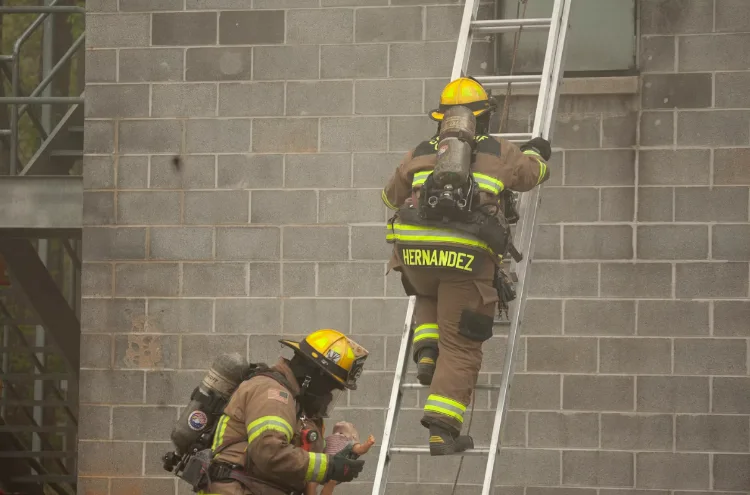
Why Does Extension Ladder Width Matter?
Width changes the base feel of the ladder, but it also changes the work before anyone climbs. The ladder has to move from storage to the work point. That part of the job is often where efficiency is lost.
Balance and Stance
A wider ladder can feel steadier during setup and positioning. It does not replace the right angle or secure footing. Still, that extra stance can matter when the user is carrying tools or working near the top of a long section.
Carrying and Setup
Jobsite efficiency depends on how quickly the ladder can be carried, opened, positioned, and stored. If a ladder is too wide for the access path, setup time increases.
This shows up in small delays. A worker may need to turn the ladder sideways through a doorway, ask another person to help carry it, or spend extra time finding a clean setup angle. Width is not only a safety variable; it also affects how work flows through the day.
Safe Use at Height
At height, small stability differences become more noticeable. Buyers can consider width together with ladder length, rung spacing, and foot contact.
The person on the ladder feels every shift. A narrow stance or poor contact point makes people slow down, grip harder, and avoid moving naturally. That may look like caution, but it also changes jobsite speed and sometimes encourages awkward reaching.
How Do Width, Balance, and Reach Work Together?
A ladder works as a whole structure. Width helps only when it works with length, locks, feet, support points, and correct setup angle. Wider rails cannot save a bad setup.
Stability on the Ground
The ladder must sit cleanly on the ground. Pole Single Telescopic Ladder with Hookbalance Bar is relevant when buyers want to review balance support as part of ladder setup.
On commercial worksites, width must be checked against the applicable market standard, the exact product instructions, and the planned setup. Do not assume that one rail-width figure, a 4:1 rule, or a stabilizer bar applies to every extension ladder. Record the selected model’s base width, working length, feet, support points, permitted angle, and any required stabilizing components before approval. If a project requires OSHA, EN 131-1, or another jurisdiction-specific rule, the responsible buyer or safety manager should verify the current wording and scope before training crews or approving a shipment.
Working Posture
The user needs to be able to work without twisting or leaning too far. A poor ladder width or poor ladder position can make the worker overreach.
A wider ladder can feel more reassuring, but it does not remove the need for correct placement. The user still has to keep the body centered between the rails and move the ladder when the work point shifts. Buyers can write that behavior into training or use notes when ladders are supplied to crews.
Storage and Transport
Wider ladders may need more storage room and a larger transport plan. Buyers can measure storage space before choosing only by reach.
Transport needs to be checked with the actual vehicle or storage rack when possible. A ladder that cannot be carried or stored cleanly may arrive damaged or become inconvenient for daily crews.
What Jobsite Conditions Make Width More Important?
Width becomes more important when the jobsite is tight, uneven, or requires frequent movement.
Uneven Ground
Uneven ground demands more care. The ladder needs to be positioned on a stable surface, and the buyer can avoid assuming that width alone solves ground problems.
Frequent Moving
If workers move the ladder many times a day, handling becomes a real productivity factor. Weight, folded profile, and width all matter.
A ladder that is technically stable but tiring to move may be left in the wrong position for too long. Workers then stretch from one place instead of resetting the ladder. That is an efficiency issue and a behavior risk.
Tight Spaces
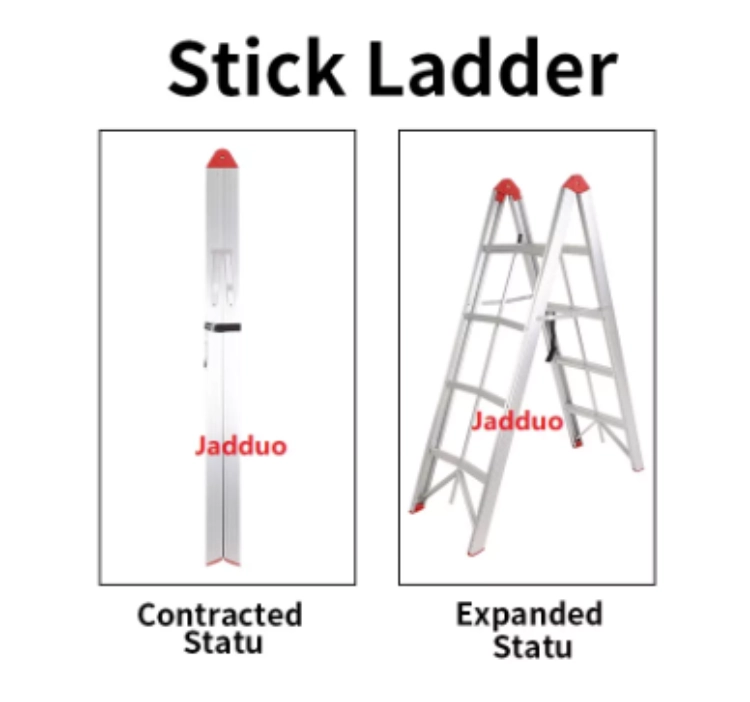
Narrow access spaces may limit ladder choice. A Frame Design Stick Box Ladder Aluminum can be reviewed when a buyer needs a compact access option for more controlled work areas.
What Should Buyers Check Before Purchase?
Before ordering, buyers can compare ladder width against the jobsite, user habits, and storage limits. A width that looks sensible on paper can feel different in a stairwell, plant room, or service corridor.
Width Specification
The listed width needs to be checked against actual access points and working areas. A ladder that is stable but too wide for the site can slow work.
Buyers can measure doorways, corridors, storage racks, vehicle space, and the actual working area. A width that suits an open yard may be awkward inside a plant room or retail maintenance area.
For the standards side of the decision, How to Ensure Your Extension Ladder Meets Regulatory Width Standards is a useful follow-up on base width, rung spacing, stabilizers, and jobsite safety.
Locking Structure
Locking structure affects user confidence and setup safety. It needs to be easy to inspect before climbing.
Practical Fit for Task
The buyer can decide whether the ladder is for home maintenance, outdoor work, warehouse use, or repeated jobsite movement. The Extension Ladder category helps compare reach-focused options by product family.
What Should Buyers Measure Before Ordering an Extension Ladder?
For a consistent quotation or site survey, record: doorway width, corridor width, storage length, vehicle or rack space, required working height, surface condition, support points, and required ladder width. Send these fields with the selected model number so the supplier can confirm fit, packaging, and any available stabilizing accessories.
Width only makes sense when the buyer knows how the ladder will fit in the real space.
Storage Space
The ladder has to fit the storage area when folded. If it is too large to store cleanly, it will be used less often and handled less carefully.
Storage also affects damage risk. Ladders that are forced into tight corners, stacked poorly, or dragged through narrow paths can suffer avoidable wear before they ever reach the work point.
Access Path
The buyer can measure the route from storage to job area. A ladder can be technically suitable but still awkward to move through narrow or cluttered spaces.
For contractors, this route may change from site to site. A ladder that works in an open warehouse may be too wide for stairwells, service corridors, or rooms already filled with equipment.
Ground and Work Area
The work area should have enough room for safe setup. Buyers can think about the floor, the wall line, and the movement space around the ladder before deciding.
For distribution buyers, it helps to separate products by use scene: home maintenance, light commercial access, outdoor repair, and repeated jobsite movement. That prevents a customer from choosing a narrow storage-friendly ladder for a task where setup confidence matters more.
Conclusion
Extension ladder width matters because it affects stability, carrying, setup, and storage in the same workday. Buyers cannot choose width by spec sheet alone. They need to match it with task height, work area, ground condition, storage route, and how often crews move the ladder. JADDUO’s extension and telescopic ladder options give buyers several routes for balancing stability and jobsite efficiency.
FAQ
Does a wider extension ladder always mean better stability?
Not always. Width can help, but correct angle, ground condition, locking structure, and user behavior are also important.
Why does ladder width affect jobsite efficiency?
Because it changes how easily workers can carry, position, move, and store the ladder during repeated tasks.
What should buyers check before ordering an extension ladder?
They need to check width, reach, weight, locking points, foot design, storage space, and the actual use environment.