If you need to Stop a Ladder from Slipping near a roof, start before climbing. A safe setup depends on the ground, roof edge, ladder structure, feet, top contact point, and user movement. Many problems begin when the ladder is placed on soft soil, leaned against a gutter, or used without checking locks and anti-slip parts.
Jadduo manufactures ladders for household maintenance, outdoor work, warehouse tasks, project supply, and OEM/ODM orders. For roof-related work, buyers usually care about stable bottom contact, safer top positioning, and a ladder type that fits the working height. This guide focuses on practical setup and product selection.
Why Does a Ladder Slip When You Work Near a Roof?
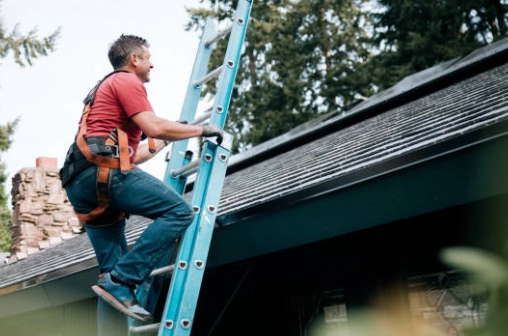
Roof work puts more pressure on a ladder than indoor tasks. Outdoor ground changes often, and even slight movement at the base can feel serious near the top. Before choosing a product, first check where the slipping risk comes from.
Weak Ground Contact and Wrong Ladder Angle
A ladder may slip on loose soil, wet tiles, smooth concrete, sloped paving, or debris. The wrong angle makes it worse. If the ladder is too steep, it can tip backward. If it is too flat, the feet may slide away.
For a roof gutter ladder setup, clean the base area first. Remove mud, leaves, gravel, and loose packaging film. Do not expect anti-slip parts to correct poor placement.
Unstable Top Support Near Gutters or Roof Edges
Many users lean a ladder directly against a gutter. That is risky because a gutter is not made to carry ladder pressure. If it bends or shifts, the ladder can move.
A safer setup keeps the top contact stable and avoids side pressure on weak roofline parts. For walls, poles, edges, and narrow contact areas, a hook structure can help create a more controlled top position.
Missing Anti-slip Parts or Secure Attachment Points
Outdoor ladders should be checked before every use. Worn foot pads, loose hooks, oily steps, or unlocked sections can all lead to slipping.
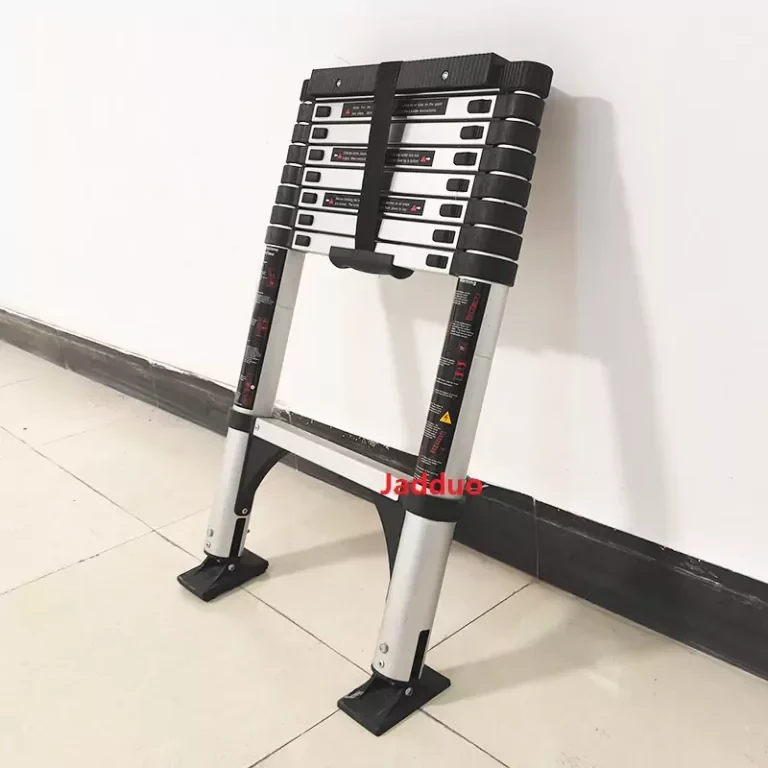
A ladder anti-slip cushion, hook design, wider base, or ladder balance bar changes how force is transferred to the ground or support point. These details matter more than they look.
How Can You Stop a Ladder from Slipping Before Climbing?
The safest time to correct a ladder setup is before anyone steps on it. To Stop a Ladder from Slipping, follow a simple order: check the site, inspect the ladder, place it correctly, then test stability.
Check the Ground, Wall, and Roof Contact Area
The base should sit flat, with both feet touching the ground evenly. Avoid wet surfaces, polished floors, soft garden soil, loose stones, or areas where water collects.
Then check the upper contact point. For roof access, avoid weak gutters or decorative edges. Choose a stable structural contact area and avoid pulling the ladder sideways.
Set the Ladder at a Stable Working Angle
The ladder should not feel vertical, and it should not stretch too far away from the wall. A stable angle lets the user climb without pulling the ladder outward.
For buyers supplying ladders to maintenance teams, this point should be included in user training, labels, or internal safety instructions.
Inspect Feet, Steps, Hooks, and Locking Points
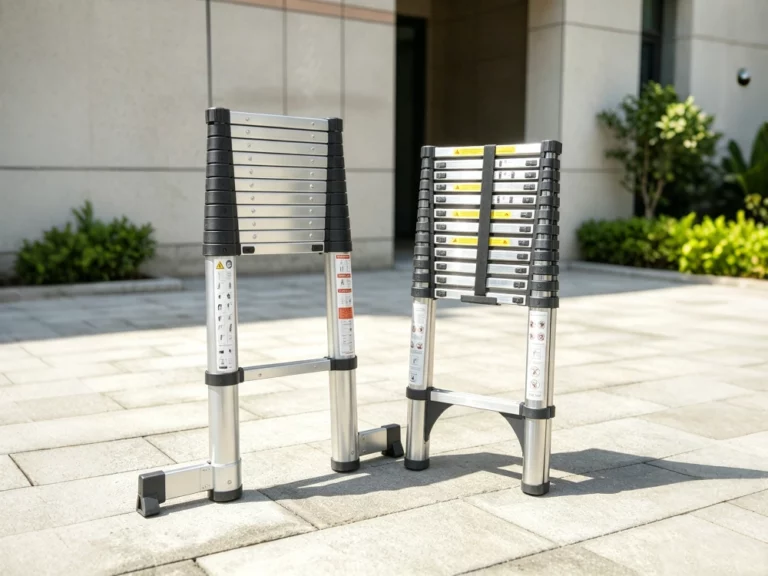
Before climbing, inspect the parts that control movement. Anti-slip feet should not be loose. Hooks should sit correctly. Steps should not be oily. Extension or telescopic sections should lock fully.
For a secure ladder for roof access, also check ladder length. A short ladder often causes overreaching, side pulling, and unsafe body movement.
What Ladder Features Help Keep Roof Access More Stable?
A ladder used near a roof should be selected by working condition, not only height. Gutter cleaning, wall repair, garden work, and project maintenance may all need different structures.
Anti-slip Cushion for Better Surface Grip
An anti-slip cushion increases surface contact and helps reduce movement on suitable ground. It works best on clean, firm surfaces.
For tasks needing top positioning support, the Step 40cm Hook Iron Ladder with Anti-slip Cushion is worth considering. Its hook structure and anti-slip cushion fit users working around walls, poles, or roof-adjacent points.
Hook Design for Safer Top Positioning
A hook ladder for roof work can help reduce top movement when the contact point allows proper placement. This matters for exterior maintenance, roofline work, and tasks where a plain ladder top may shift sideways.
Hook design does not replace ground checks. The base, angle, ladder length, and user movement still decide whether the setup is safe.
Balance Bar for a Wider and Steadier Base
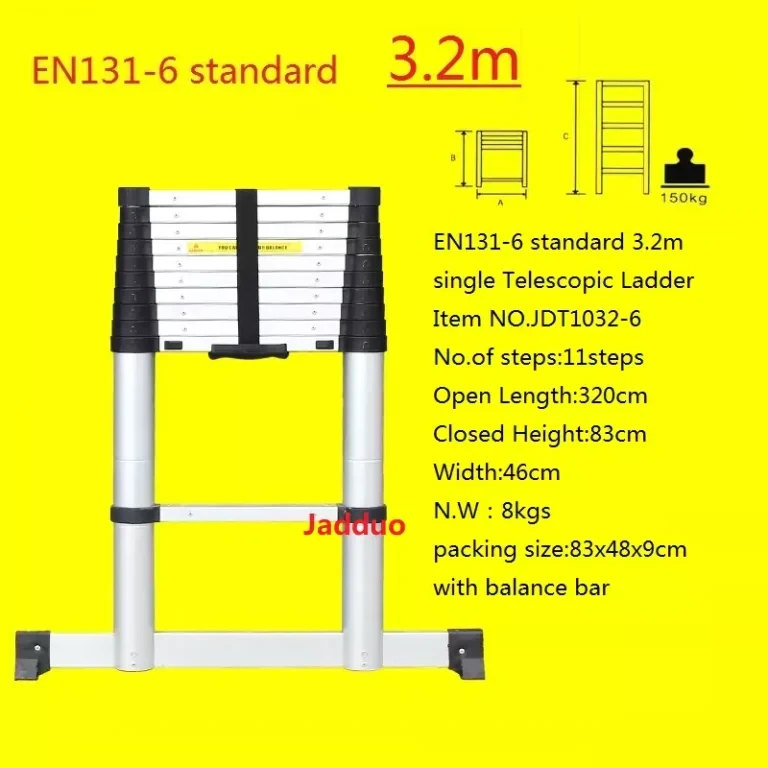
A ladder balance bar gives the base a wider support area. This is useful on firm surfaces where the ladder may still feel narrow or easy to sway.
The Step 40cm Anti-slip Cushion Iron Ladder With Balance bar fits buyers who care more about base stability than compact storage. It can support property maintenance, garden work, and routine exterior service.
Which Jadduo Ladder Should You Choose for Roof and Outdoor Work?
To Stop a Ladder from Slipping in real use, buyers should match ladder type with height, contact point, moving frequency, storage space, and user habits.
| Working Need | Better Ladder Direction | Why It Matters |
| Roofline, pole, or edge contact | Hook ladder with anti-slip cushion | Helps control the top contact point |
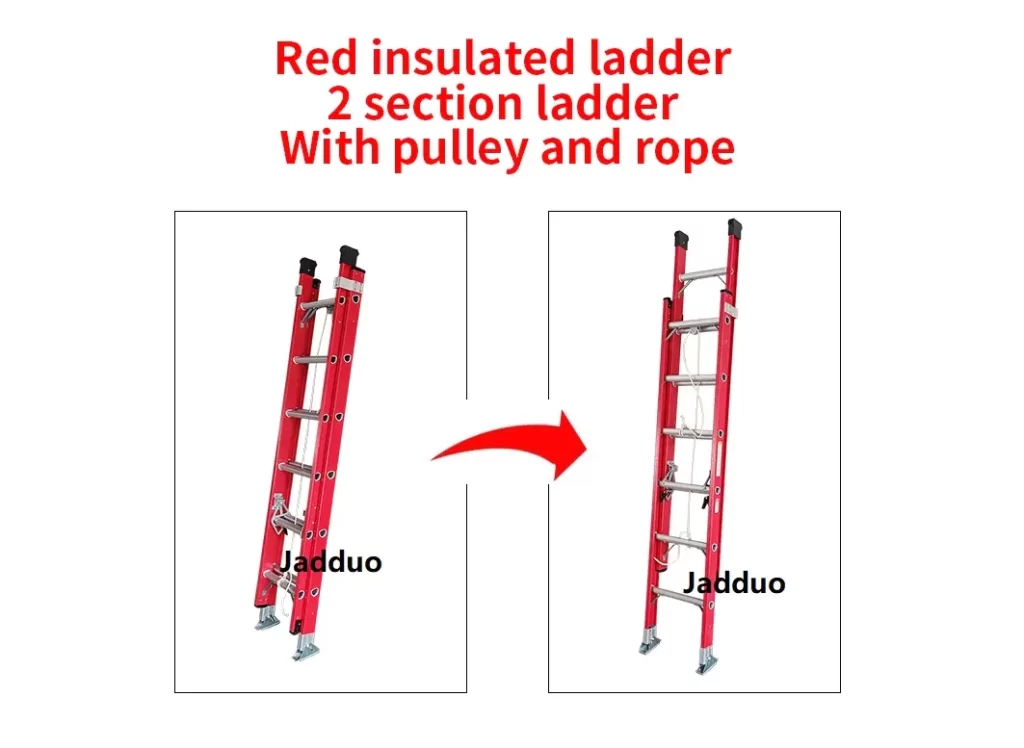
| Adjustable exterior access height | 2 section ladder with pulley and rope | Easier height adjustment for different wall or roof levels |
| Outdoor work needing steadier base | Ladder with balance bar | Wider base support helps reduce side movement |
| Load planning for one worker | Confirm 150kg load rating where applicable | The rated load should include the operator and carried tools together |
Step 40cm Hook Iron Ladder with Anti-slip Cushion for Wall, Pole, and Edge Contact
This ladder suits users who need stronger top contact near fixed structures. It can be used for outdoor maintenance, roofline checks, and tasks where a simple straight top may not feel controlled enough.
For distributors and project buyers, the value is the combination of hook positioning and anti-slip cushion. That combination helps users build a safer working habit near roof edges or vertical structures.
2 Section Ladder with Pulley and Rope for Adjustable Roof Access Height
If the task height changes often, fixed-height ladders can create poor work habits. Users may overreach, stand too high, or place the ladder at a poor angle.
The 2 Section Ladder With Pulley and Rope suits exterior repair, warehouse wall work, roof access points, and property service teams that need height adjustment across different sites.
Step 40cm Anti-slip Cushion Iron Ladder With Balance bar for Extra Base Stability
For ground-level stability, the balance bar model is a practical direction. It suits maintenance teams, community service, garden work, or building repair.
To Stop a Ladder from Slipping, the base matters as much as the top. If the work site has a firm surface but needs more side stability, a balance bar can be more useful than choosing a taller ladder without extra support.
How Should Buyers Match Ladder Choice with Real Working Scenarios?
A safe ladder choice starts with the task. Ask where it will be used, who will use it, how often it will move, and whether the user needs to carry tools while climbing. Jadduo’s ladder category commonly works around a 150kg standard load capacity, but buyers should treat this as the combined weight of one operator and carried tools.
Gutter Cleaning and Roofline Maintenance
For roofline and gutter work, users need stable ground contact and safe top placement. A hook ladder with anti-slip cushion is useful where the top contact point needs control. If several roof heights are involved, the 2 section ladder gives more adjustment range.
Avoid ladders that are too short. They often cause stretching, twisting, and side pressure.
Exterior Repair, Tree Work, and Community Tasks
For exterior wall repair, light tree work, banner installation, or community maintenance, the site changes often. The ladder may be used on concrete one day and near grass the next.
A balance bar can help on firm surfaces where extra base width is useful. A pulley and rope ladder can help where working height changes by task.
Wholesale, OEM, and Project-based Purchasing Needs
For B2B buyers, the question is not only “Can this ladder reach the roof?” It is also “Will different users set it up safely and repeatedly?” Clear instructions, suitable structure, packaging, spare part planning, and model consistency all matter.
If you are sourcing for retail, maintenance teams, construction support, or private label supply, prepare the working height, surface type, load expectation, packaging needs, and target market before confirming the model.
Global Procurement Compliance and Standards
For B2B procurement engineers and project supply managers, on-site liability also depends on safety frameworks. Products should not only support a verified 150kg standard load capacity, including the operator and carried tools, but also match the target market’s requirements.
For Europe, sourcing managers should verify EN131 and EN131-2:2025-related requirements, especially dynamic load testing and certified anti-slip technical labeling. For North America, specifications should be checked against ANSI A14 structural requirements, so base stability bars, anti-slip parts, and top hook mechanisms can be reviewed against local project expectations.
This check helps buyers avoid choosing a ladder only by height or price, then finding later that product documents, labels, or structures do not fit the sales region.
Need Ladder Details for a Roof Access Project?
If your team is comparing hook ladders, extension ladders, anti-slip cushion designs, or balance bar structures, prepare photos of the work site and the target height range. Jadduo can review the use scenario, product category, packaging needs, and OEM/ODM requirements through its contact channel before sampling.
FAQ
Q: How do I Stop a Ladder from Slipping on concrete near a roof?
A: Clean the surface first, remove loose dust or water, place both feet evenly, use a stable ladder angle, and check anti-slip parts before climbing. To Stop a Ladder from Slipping on concrete, do not rely only on body weight. Choose a ladder with proper feet, cushion, or base support.
Q: Is a hook ladder better for roof work than a regular straight ladder?
A: A hook ladder can help when the top contact point needs more control, such as near walls, poles, or roof-adjacent structures. It is not safer in every situation. The ground, angle, ladder length, and user movement still need to be checked.
Q: Should I choose a balance bar ladder or a 2 section ladder for outdoor maintenance?
A: Choose a balance bar ladder if base stability is the main concern on firm ground. Choose a 2 section ladder if the working height changes often and users need adjustable access. For roof access, compare both based on site height, storage space, and moving frequency.