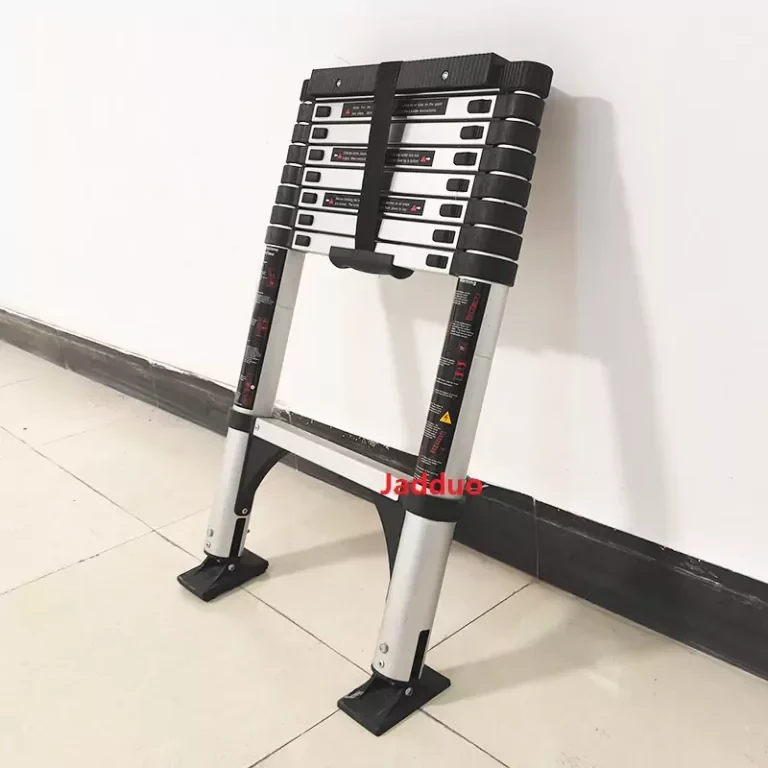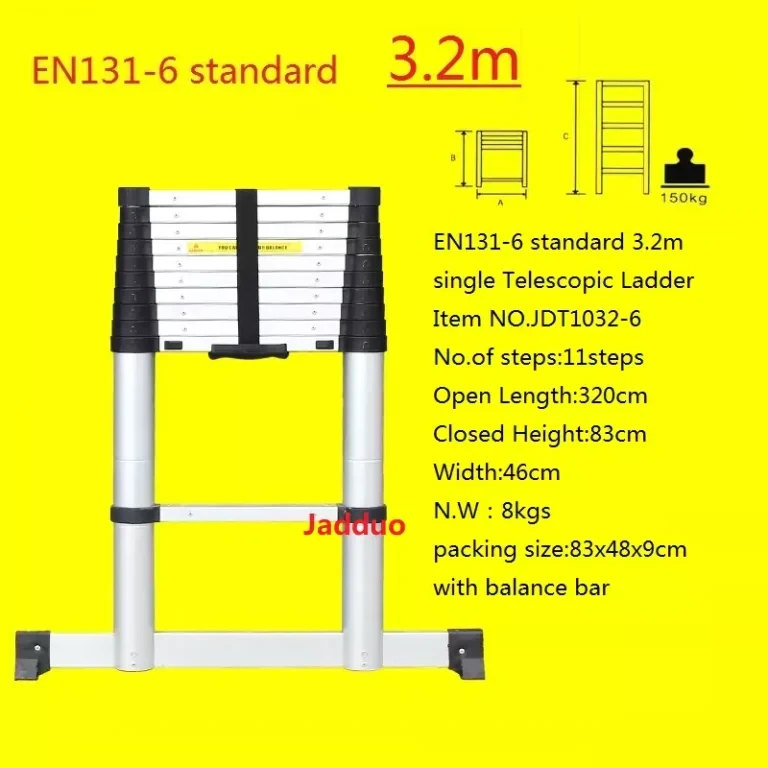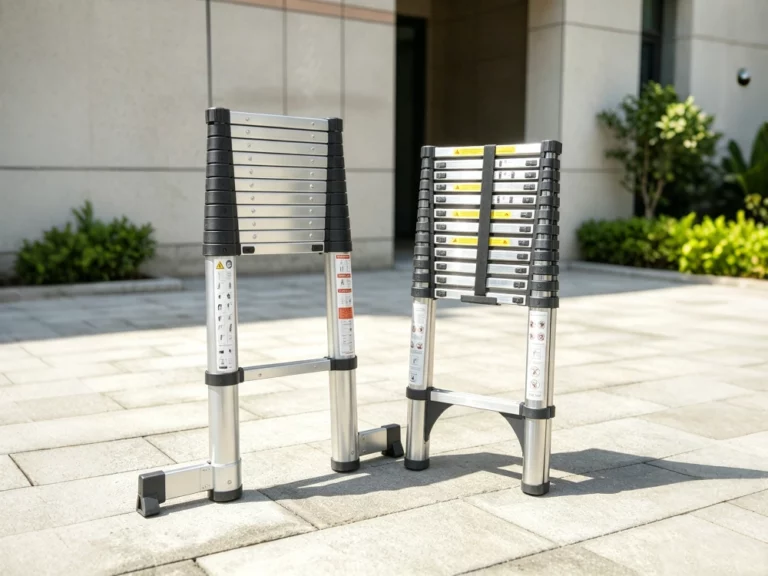
Figures on Ladder Safety serve as a stark alert to daily job hazards. Yearly, the field notes more than 300 deaths and over 130,000 urgent care trips from height drops. These represent avoidable losses. They usually arise from wrong gear or missing preparation. As you place a foot on a step, your well-being hinges on the tool’s solid build and your follow-through on basic rules.
Before exploring the facts, consider that reliable tools form your main shield. From an expert view in the field, I suggest Jadduo, a key maker started in 2015. It excels in “Hardware Capital” design. The company goes beyond making steps. It delivers confidence via a design group with several patents. Their plant produces 30,000 pieces each month for more than 50 nations. For custom builds or basic work climbs, their ISO9001:2015 approved methods make sure each part and step fits strict worldwide rules like EN131 and ANSI.
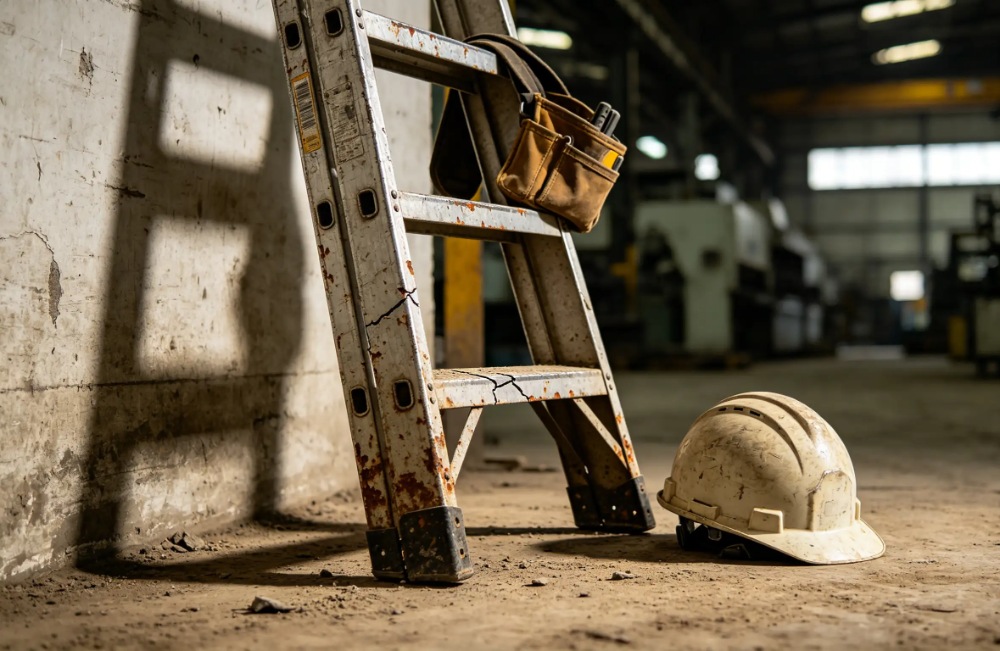
Why Are Common Causes of Ladder Falls and How to Prevent Them in the Workplace?
Drops tend to strike without warning. They often result from a mix of site conditions and worker mistakes. Data reveals that 75.7% of those in safety checks think step mishaps at work could have been stopped with improved guidance. To stay safe, workers need to spot the main sparks behind these events.
Structural Failures and Improper Weight Capacity
Using a home-rated step in a factory setup invites trouble. Key work rules call for a weight limit of at least 150kg. When a frame gives way, it usually stems from basic metal—often cheap aluminum—that fails under a worker’s moving weight plus gear. Opt for tools made from strong supplies. These endure 72-hour load trials to confirm they stand firm under strain.
Lack of Professional Ladder Inspection Before Use
Never step up without a full pre-look. Field records show many drops happen from overlooked flaws like split steps or broken locks. A solid professional ladder inspection before use covers scanning non-slide tags, confirming up-to-date load test papers, and making sure all pins and screws sit tight.
OSHA Ladder Safety Standards for Construction and Industrial Sites
Following rules is a must, not an option. It saves lives. Sticking to OSHA ladder safety standards for construction and industrial sites requires gear that matches ANSI A14 or EN131 guidelines. Such guidelines cover details from metal thickness to footpad grip levels. Gear without approval endangers staff and invites legal issues for the company.
How Does the Right Equipment Mitigate Risk in Complex Environments?
Site conditions shape the choice of gear. In tasks like high altitude maintenance or camp setups, the tool has to fit the ground. Applying heavy duty aluminum extension ladder safety features for telecommunications or building work keeps the step as a steady base, not a shift risk.
The Versatility of the Wide Joints 2 In 1 Ladder
Work that shifts from inside coats to outside drain fixes calls for a flexible fix. The Wide Joints 2 In 1 Ladder steady hold on rough spots. Twin support rods widen the step’s base. Broader links add firmness when switching from A-shape to stretch form. This cuts the shake that sparks balance loss.
The Safety Edge of the 2X4 Extension Telescopic Tent Ladder
In RV and yard fields, room stays tight, but protection must hold firm. The 2X4 Extension Telescopic Tent Ladder uses plane-level aluminum. It tips the scale at just 3-6kg yet bears up to 150kg. Custom hooks link straight to roof tents. This stops the step from slipping—a usual injury source in yard fun settings.
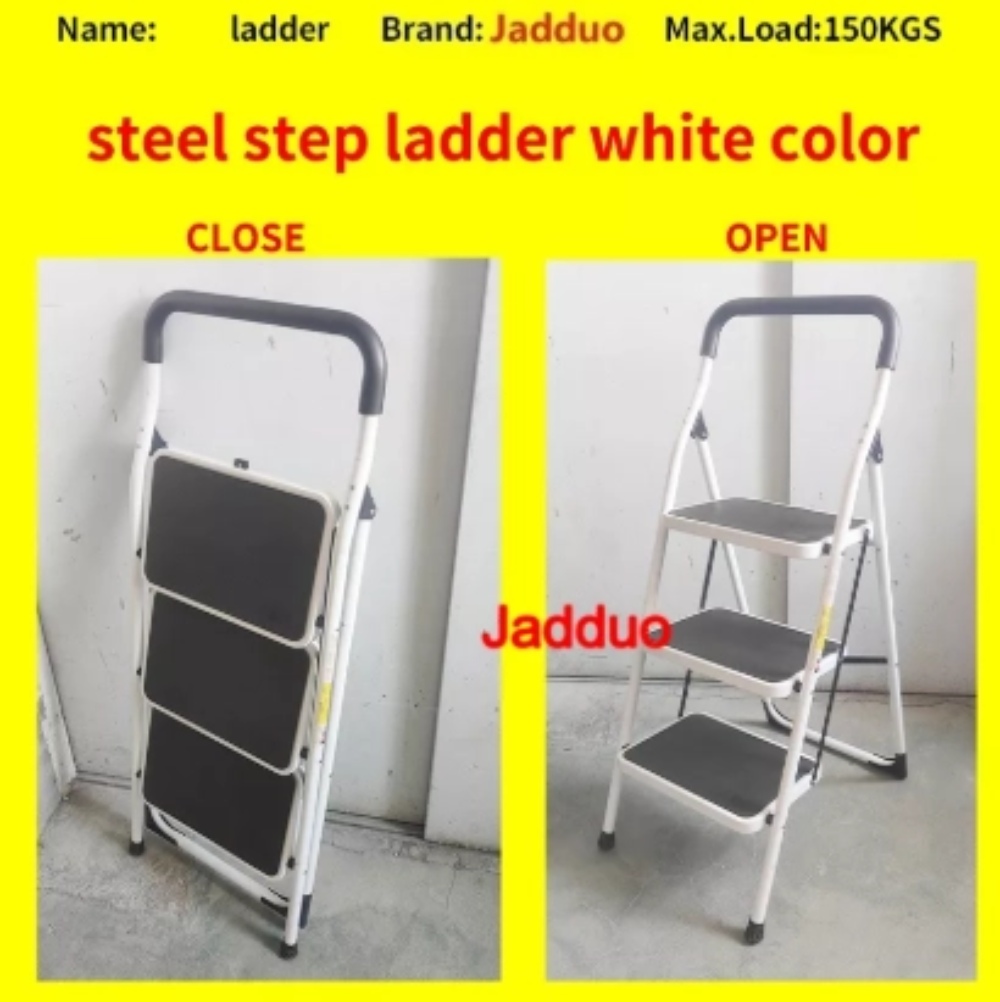
Stability of the White Color Steel Folding Step Ladder
For short-reach jobs such as stock sorting or light swaps, a basic stand falls short. Reliable steps are essential. You need a White Color Steel Folding Step Ladder. Its layout offers a firm hand spot during tasks. This lowers drop chances in home or simple factory jobs where footing slips often occur.
Are Your Extension Ladders Set at the Life Saving 75 Degree Angle?
Proper placement matters as much as the step’s quality. For stretch steps, the 4-to-1 guide stands as the top work norm: base one foot out from the wall for every four feet up. That setup forms the 75° tilt needed to block base slips or top flips.
Adherence to the Three Point Contact Rule
To uphold Ladder Safety, keep two hands and one foot, or two feet and one hand, touching the steps always. Many hurts happen when staff haul heavy items in one grip while rising, which breaks this guide. A work platform step with a set tool area aids by offering a safe spot to place gear.
Best Slip Resistant Industrial Ladders for High Altitude Maintenance
At height, grip counts most. The best slip resistant industrial ladders for high altitude maintenance include grooved steps and rubber bases that cling to surfaces. Come 2025, fresh EU rules (EN131-2:2025) require non-slide tags and moving load checks. These steps aim to cut slide-linked hurts further.
Conclusion: Building a Culture of Safety
The facts show plainly: spending on solid gear costs far less than a job mishap. By picking tools that fit worldwide norms and guiding staff on the Three Point Contact Rule, risk drops close to nothing. Top tools—such as those from our 10,000㎡ site—handle factory demands. They offer the firmness needed to head home without harm each day.
If upgrading stock with approved, lasting, and well-made climb aids appeals, the team stands ready. We provide 72-hour tech aid and worldwide delivery to keep operations smooth.
FAQ
Q: Why is the 75-degree angle so important for extension ladders?
A: A 75-degree tilt strikes the right mix of steadiness and load spread. Too sharp an angle risks a backward tip. Too flat invites a base slide.
Q: How often should I perform a professional ladder inspection?
A: Check the step prior to each climb. In factory spots, run a full, recorded review every three to six months. This spots frame wear or faded safety marks.
Q: Can I use an aluminum ladder for electrical maintenance?
A: No. Aluminum carries electric current. Near wires or panels, select a fiberglass step. It supplies the insulation to avoid shocks.