Picking suitable gear for a work area involves weighing protection, toughness, and expense. When seeking a dependable Aluminum Ladder, one typically weighs the easy handling of metal against the focused barrier of fiberglass. Both options fit particular roles. Yet, a mismatch in risky settings can cause serious on-site mishaps. Figures suggest around half of expert slips might be stopped by pairing the step type with the exact duty and location.
Prior to choosing your upcoming set of tools, consider Jadduo. In the field of hardware building, various makers exist, but this one excels due to its full control over production and careful design. From 2015 onward, it runs a 10,000㎡ site with a group of 20 in research and development focused on improving climb security. The process goes beyond putting pieces together. It includes 72-hour strain checks and reaches 30,000 pieces each month. For those needing a build partner or bulk provider, the ISO9001:2015 approved methods confirm that all steps and pivots align with worldwide benchmarks for demanding trade tasks.
Why Does Your Work Environment Dictate the Best Material Choice?
The setting plays the biggest role in making this pick. For example, metal carries current well, so it poses a deadly threat close to active cables or energy points. On the other hand, fiberglass blocks current flow, which gives the required guard for those handling wiring or power systems. Still, away from current dangers, the body perks of metal frequently make it the handier option for routine jobs.
| Feature | Aluminum Models | Fiberglass Models |
|---|---|---|
| Weight | 30% to 50% lighter than fiberglass | Significantly heavier to transport |
| Conductivity | High (Never use near live electricity) | Non-conductive (Essential for electrical work) |
| UV Resistance | Excellent; does not degrade in sun | Can “bloom” or crack over time with UV exposure |
| Durability | Rust-resistant but prone to denting | Heat and chemical resistant |
High Strength to Weight Ratio Aluminum Ladders for Frequent Repositioning
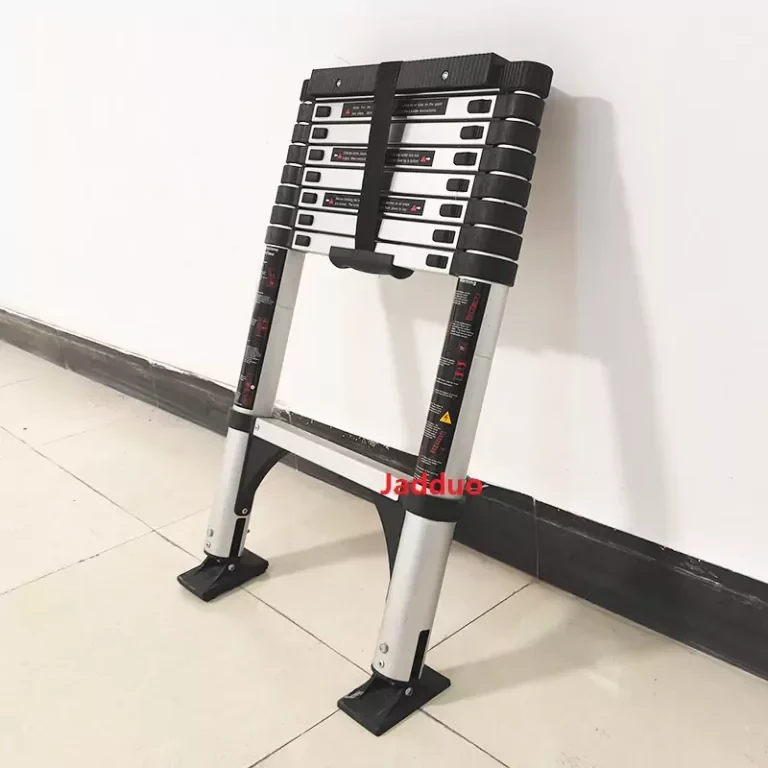
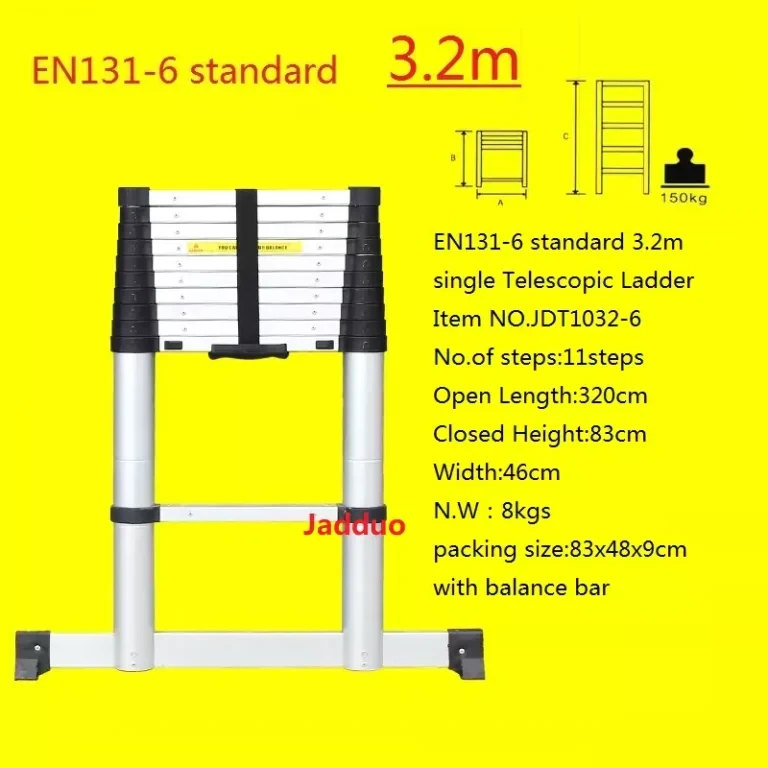
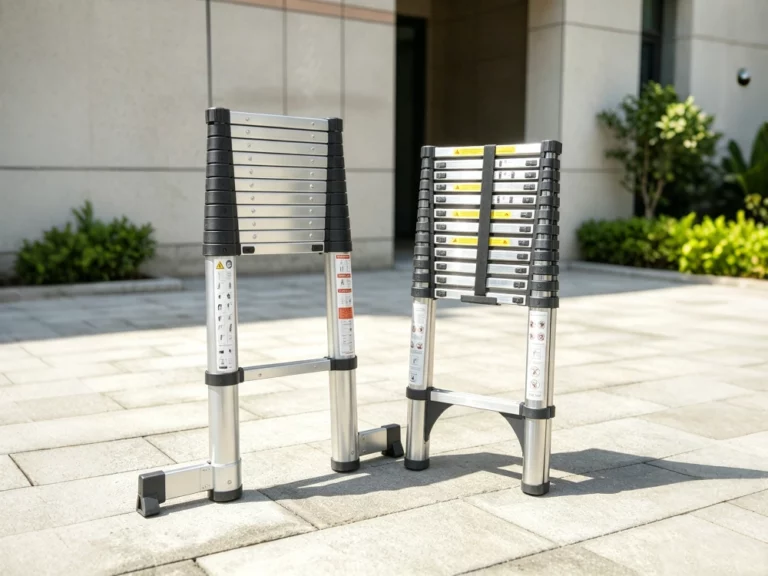
At big work zones where gear shifts many times daily, mass becomes a main protection issue. Opting for high strength to weight ratio aluminum ladders for frequent repositioning cuts down on staff tiredness and the chance of strain to the back. Such steps let one person handle a long reach piece that holds a 150kg work weight limit.
Specialized Safety with the Red Insulated Multi-Functional Ladder
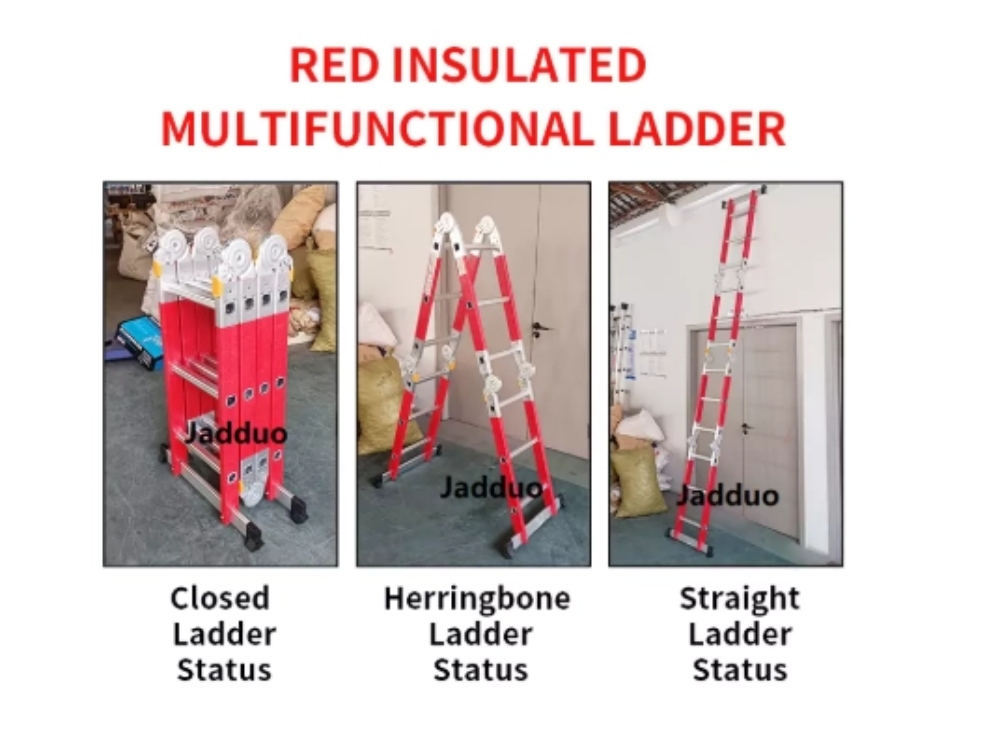
Projects close to power boards or lines demand no shortcuts in build. The Red Insulated Multi-Functional Ladder uses dense fiberglass and sturdy pivots to deliver a current-proof stand. Its all-in-one setup blends the block of fiberglass with the range of a frame or reach type in a single item.
Corrosion Resistant Aluminum Industrial Ladders for Outdoor Construction Sites
In shore or damp spots, basic iron gear wears out fast. Corrosion resistant aluminum industrial ladders for outdoor construction sites draw on 6063 plane-grade mixes that build a natural shield coat. Different from fiberglass, which might turn weak after long sun hits, solid metal keeps its frame strength over many years in open air.
How Can You Ensure Equipment Meets Global Safety Regulations?
Following rules acts as the top guard against harm on site and court issues. Gear must face checks for up forces, side pulls, and pivot strength to confirm it handles the strains of trade setups.
ANSI and EN131 Compliant Aluminum Ladders for Workplace Safety Regulations
Sticking to ANSI and EN131 compliant aluminum ladders for workplace safety regulations shows the tools passed strict machine trials. Such approvals ensure the metal depth and step-to-side links fit the strong needs of trade work, well past the basics for home chores.
Superior Stability of the Aluminium Ladder with Aluminum Bracket
Tasks at tall levels call for added hold to stop shifts or slips. The Aluminium Ladder with Aluminum Bracket has a targeted bracket setup that ties the upper end to the build. It forms a set, firm climb route vital for upper fixes where breeze or rough ground matters.
Cost Effective Aluminum Ladder Solutions for Large Scale Commercial Projects
For buying leads, the full ownership cost counts most. Cost effective aluminum ladder solutions for large scale commercial projects bring a smaller upfront buy cost than fiberglass. At the same time, they last longer in nine out of ten trade uses. Thus, teams can equip fully with approved guard items inside project funds.
Why Are Multi Purpose Safety Features Essential for Your Fleet?
A flexible set cuts the volume of tools hauled to a spot. Items that handle varied roles let staff adjust to shifts without going back for another step tool.
Multi Purpose Folding Aluminum Ladders with Slip Resistant Safety Features
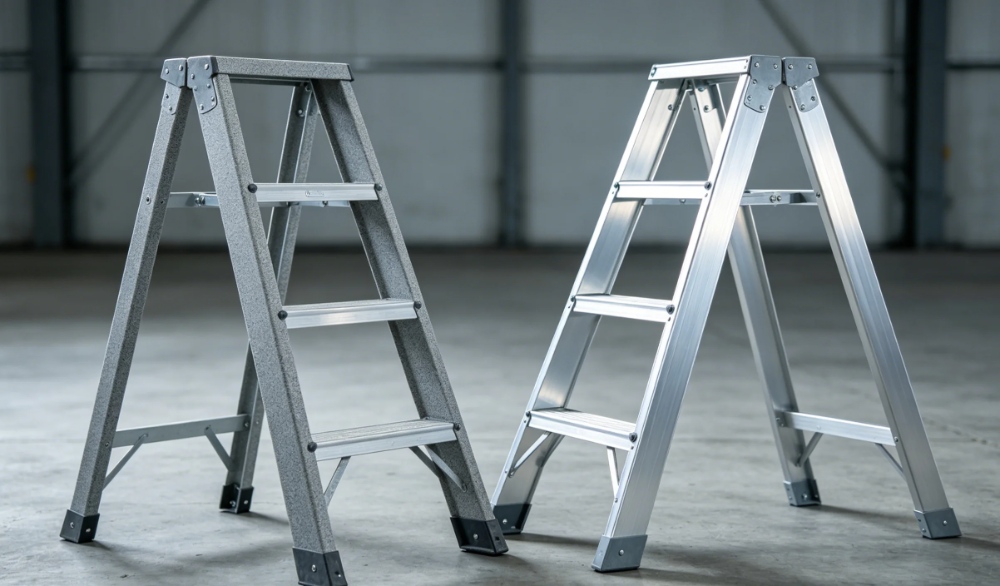
Current work areas need range. Putting funds into multi purpose folding aluminum ladders with slip resistant safety features lets staff change from a basic step to a direct reach form quickly. Strong grip steps and rubber bases hold firm on slick floors or loose stones.
Professional Reliability of the Black Aluminum Household Ladder
Basic jobs such as building checks or stock sorting still need a trade-level base. The Black Aluminum Household Ladder with Non-Slip Strips offers a broader foot area and boosted pivots. This build avoids the shake in low-end store steps, providing the steady base for safe, steady work at modest heights.
Impact of Load Capacity and Material Durability on Safety
Trade duties demand at least 150kg to 200kg weight ratings. These cover the staff member along with their weighty kits and supplies. Metal’s skill at fending off bends and frame twists under such weights turns it into a steady part of expert stocks.
| Standard | Load Capacity | Recommended Use |
|---|---|---|
| EN131 Professional | 150 kg (330 lbs) | Commercial Construction / Maintenance |
| ANSI Type IA | 300 lbs (136 kg) | Heavy Industrial / Utility |
| OSHA Duty Rating | Up to 375 lbs | Extra Heavy Duty Industrial |
Conclusion: Making the Right Investment
With the trade field heading to more movable and smooth runs by 2026, the call for strong climb aids keeps growing. Selecting a solid Aluminum Ladder puts value into staff output and guard. Pairing the build to the spot—fiberglass for current threats and metal for the rest—secures a safer, smoother work area.
The plant stands prepared to aid your major efforts with 72-hour tech help and tailored build and design options. To refresh your guard stock or get a made-to-fit fix for a special trade hurdle, reach out to the group for an expert talk now.
FAQ
Q: Why should I never use an Aluminum Ladder for electrical work?
A: Metal carries current effectively. Should the step touch an active cable or stay near a strong energy spark, power flows through the step and the climber, typically leading to deadly outcomes.
Q: Does fiberglass or aluminum last longer in the sun?
A: Metal resists sun rays by nature and avoids breakdown in light. Fiberglass, without added sun shields, might grow weak and show “fiber bloom” after years in straight rays.
Q: How much lighter is an aluminum ladder compared to a fiberglass one?
A: In general, a metal step weighs 30% to 50% less than a fiberglass version of equal reach and weight hold. This eases shifts on active work zones a great deal.