Starting a home fix-up or basic upkeep often pushes thoughts of slips to the back of the mind. Yet data points out that many hurts stem from everyday jobs such as swapping a light or brushing a surface. Staying out of harm calls for picking a solid household ladder suited to the work at hand. A firm base stands as a must-have that stops stretching too far or sliding. Bringing in sound safety steps to regular chores helps wrap up each DIY effort without trouble.
Having looked at hardware strength for years, one sees how build quality splits wobbly steps from steady ones. For calm assurance, consider Jadduo. Set up in 2015 in China’s hardware center, it runs a broad 10,000㎡ site focused on exact work. Shipping over 300,000 pieces yearly to 50-plus lands, it blends tough build with home ease. Holding three patents and sticking to ISO9001:2015 rules, each join and link gets made to endure. Their gear draws from a 20-person design group aimed at user protection.
Why Is Selecting the Right Ladder Crucial for DIY Safety?
Picking the wrong gear often sparks home mishaps. One avoids using a nail tool for a twist job. In the same way, a long reach ladder does not fit a spot needing a fixed low stand.
Matching Ladder Type to Specific Task Requirements
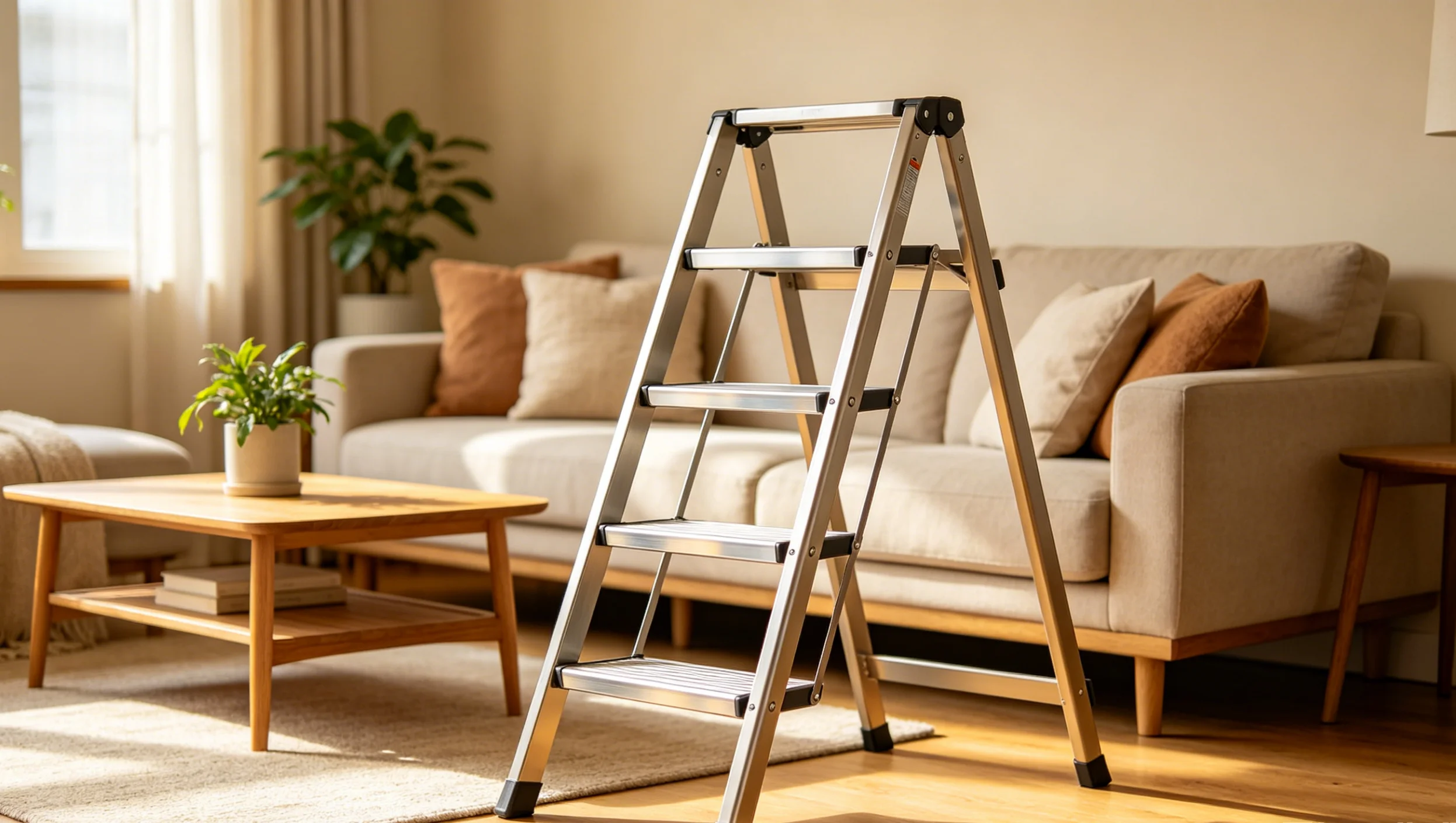
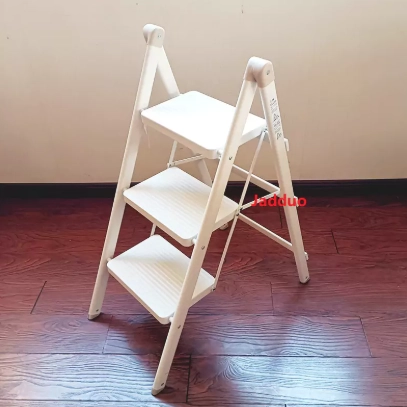
Indoor jobs like getting to storage spots or clearing high dust call for a small step unit over a bulky work type. Tailored builds, like a folding step ladder with a large handrail, deliver the right lift without extra weight from yard tools.
Verifying Load Capacity and Material Integrity
Each item carries a weight cap, usually near 150kg in basic types. Factor in personal load along with gear or full cans of color. Strong metal or light alloy keeps the structure from bending or giving way under total strain.
Checking for Essential Safety Certifications
Scan for tags such as GS, ANSI, or EN131 prior to stepping up. Such approvals confirm passing shift-weight trials and meeting firm build standards. An approved build builds trust that steps hold firm in key spots.
What Are the Best Practices for Secure Household Ladder Setup?
Top gear might still slip if placed wrong. Protection starts at ground level. It flows into how one holds position.
Implementing the Three Points of Contact Rule
Keep three touch points steady: two feet with one hand, or two hands with one foot, on the structure always. This basic step cuts risks of tipping if a foot slides. Avoid the upper step unless the build adds a safe top area.
Ensuring Level Ground and Anti-Slip Base Placement
Set the base on even, hard ground. On slick floors, confirm rubber grips to block shifting or pulling from the support. A steady foot forms the base of sound steps up.
Utilizing Large Handrails for Extra Climbing Support
A broad, curved grip serves as key aid in rising or dropping. It offers a firm hold spot when hands juggle items or loads, a core part in fresh household ladder builds for daily spots.
How Can Professional Grade Home Ladders Minimize Risks?
Putting money into task-fit tools lets focus stay on the work, not footing. Below sit three clear options aimed at top home protection.
Heavy Duty Steel Folding Step Ladder with Large Handrail
This type shows a broad stand area and big top grip. Metal framing gives a stiff sense light metal may miss. It fits well for solid kitchen tasks or placing seasonal items where a firm bottom matters.
One Step Steel Ladder Stool with Low Armrests
Certain lifts need just a minor rise. Such a iron round tube stool suits short jobs. Short side rests give a hold to balance during the rise. This blocks typical trips seen in plain open seats.
Specialized Iron Flower Stand Ladder with Reinforced Frames
Garden fans benefit from the iron flower stand ladder. It uses fresh ties for forward and back sections. Extra strength brings side firmness. That proves vital when leaning out to trim growth or set up a show.
What Maintenance Steps Ensure Long Term Safety?
A sound item now risks turning risky later without care. Steady reviews alone keep gear in best shape.
Regular Inspection of Locking Mechanisms and Joints
Look over turns and hold pins each time before use. Loose links or unclicked holds mean skip the tool. Sudden folds cause most harms when a hold fails to set fully.
Keeping Steps Clean and Free of Debris
Clean the steps after each task. Grease, fresh color, or yard dirt from shoes can make rough spots slick like ice. Clear faces let grip traits work as planned.
Proper Indoor Storage to Prevent Material Degradation
Metal like steel or iron rusts in wet sheds or under rain. Keep items in dry inside areas, such as a storage room or steady-temp lower level. Such care blocks frame loss and smooths part motion over time.
How Can You Access Expert Support for Your Home Safety?
Selecting proper tools avoids trial and error. Maker services outpace store help in depth.
Professional Technical Guidance and 72 Hour Support
Doubts on reach for roof lines or steel care get quick answers from pros. Tech aid confirms right use and full value from the buy.
Global Distribution and Reliable Logistics Services
Delivering fine items to homes means tight checks before send-off. Many pro buys run through FOB Ningbo. Items get bound and boxed well to avoid harm in travel.
Direct Manufacturer Contact for Custom Inquiries
Large group buys or custom makes get met by the design crew. Straight talks with makers yield better costs and fit safety traits. Details come via their contact page.
FAQ
Q: How often should I inspect my household ladder?
A: Give a fast sight check each time to spot clean steps and working holds. Full looks at links and bases come every six months at least.
Q: What is the weight limit for a standard home step stool?
A: Fine metal or alloy units rate for 150kg load. That covers the user’s mass plus carried gear.
Q: Can I use a steel ladder for electrical repairs?
A: No, metal like steel or alloy carries current. For power work or line jobs, switch to fiber glass to guard against hits.