When a building fire starts, the Extension Ladder serves as the key link between risk and protection. Firefighters tackle the tough job of coming down from great heights. They often carry someone who might be hurt or out cold. This task goes beyond basic climbing. It calls for careful planning based on forces and solid support. Success depends on gear that manages shifting weights without breaking down.
Working in the hardware field, I have noticed how top tools make the difference between a good save and a bad outcome. For that kind of dependability, Jadduo stands out. Based in China’s hardware hub, it focuses on creating and sending out quality ladders worldwide. Their plant covers 10,000㎡, and they hold ISO9001:2015 approval. Each year, they deliver more than 300,000 pieces to over 50 nations. Items follow EN131 and ANSI rules closely. So, when hanging high up, the gear acts like part of your own power.
What Are the Essential Techniques for a Controlled Victim Descent?
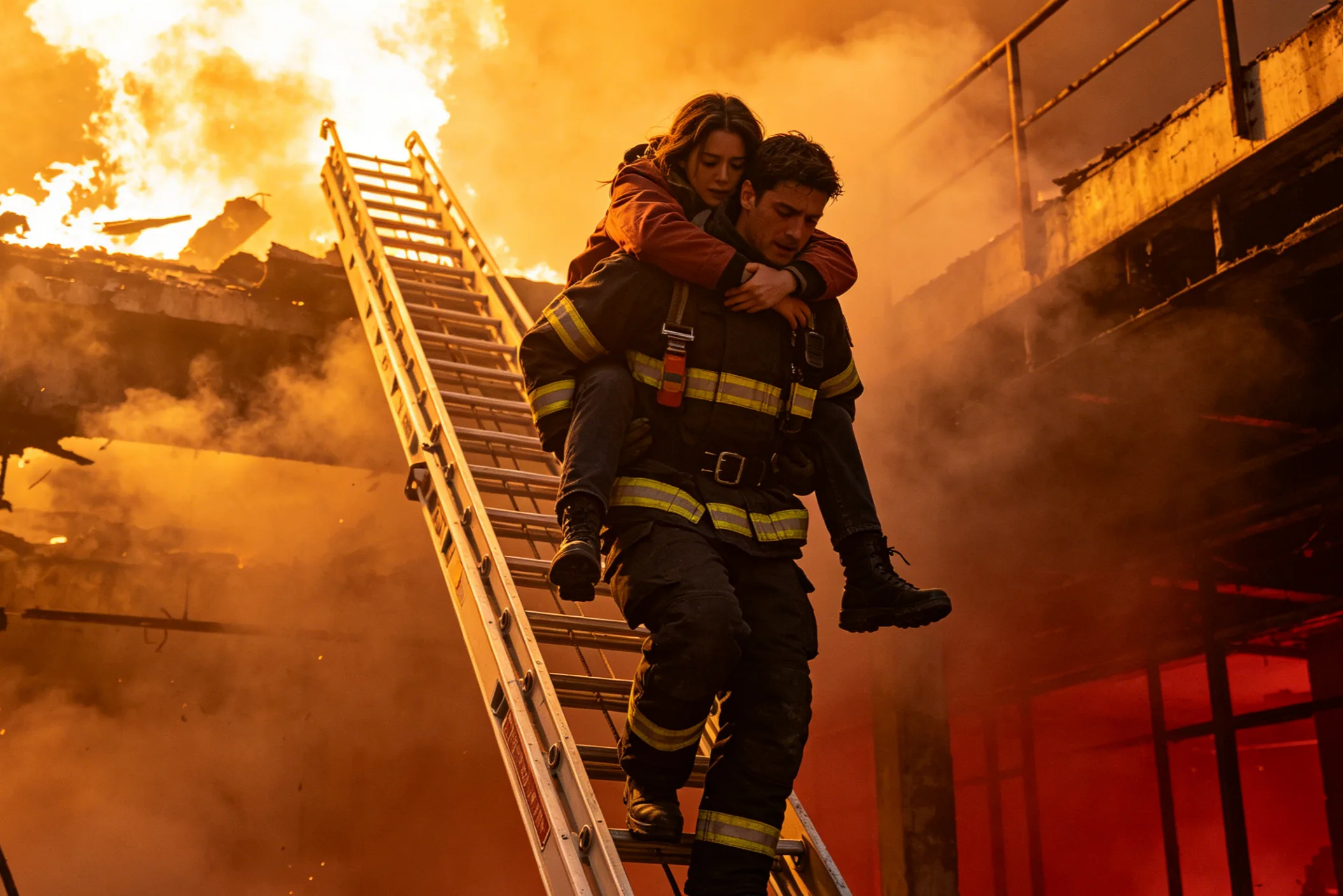
Bringing someone down a straight drop takes more than raw strength. It needs matched steps and steady hold. Firefighters apply clear methods to keep the person safe. At the same time, the rescuer stays connected to the steps.
The Victim-Over-the-Shoulder Carry for Unconscious Individuals
Rescuers pick up those unable to hold on by placing them over the shoulders. Such a hold lines up the person’s main weight point along the back. This lets both hands grasp the sides during the drop. The move pushes the gear to its full weight limit, often around 150kg.
The Knee-to-Crotch Support Method for Conscious Victims
For alert but scared people, the drop happens right behind them. Putting a knee below their load at each move turns the rescuer into a moving base. It stops slips or fast drops. A steady, even pace keeps the whole setup from swinging.
Maintaining the Critical 75 Degree Climbing Angle
A firm start comes from the bottom. Teams stick to a 75° lean from the ground to the gear. That exact setup keeps the foot from sliding with added load. It also stops the upper end from leaning back from the wall.
Why Is Structural Stability the Priority in an Extension Ladder?
During a save, shakes or bends in the build can cause falls. Rescue work puts firm side hold and even machine action first in gear choices.
Integration of Balance Bars for Enhanced Lateral Stability
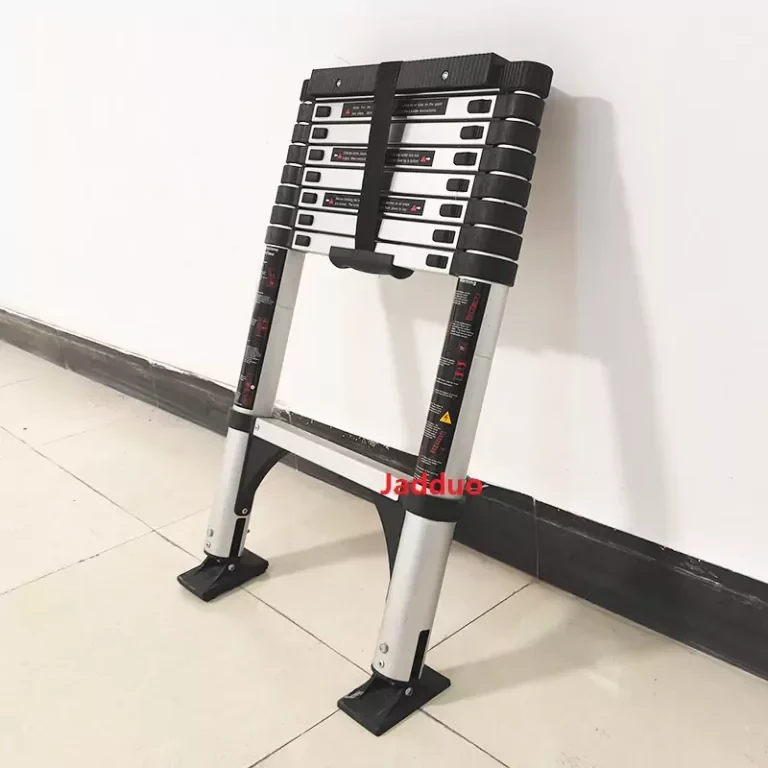
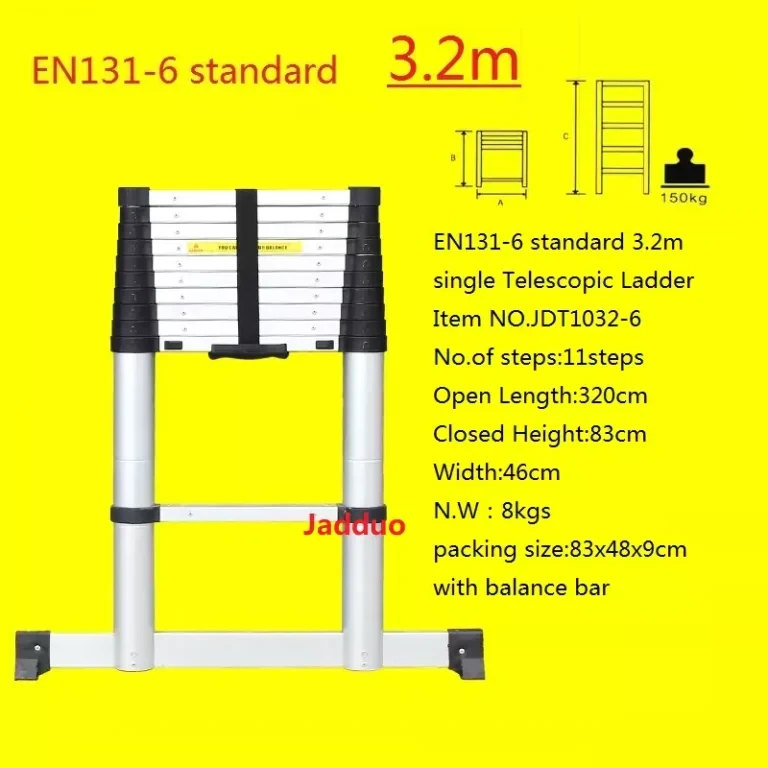
A basic foot might feel tight, but a Balance Bar Aluminum Telescopic Ladder boosts the ground touch zone. The bar cuts down on left-right shakes that come when shifting load to fix a person’s spot.
Implementation of Hydraulic Slow-Closing Mechanisms
Quick shifts harm safety most. New stretch designs include a “one-time slow closed” setup. This fluid system makes sure sections pull back gently if locks slip. It guards hands and holds the full reach until the save ends.
Utilization of Anti-Slip Rungs and Specialized Rubber Feet
Damp spots often mark fire areas. Cut-in, wavy steps give sure footing for thick shoes. Good rubber bases matter too. They cling to spots like turf, stones, or slick roads. Thus, the Extension Ladder holds firm right where set.
Which Professional Solutions Meet the Rigors of Emergency Response?
Picking the best item fits the setting. In cases with power risks or upper windows, certain types bring clear gains.
The One-Time Slow Closed Telescopic Ladder with Balance Bar
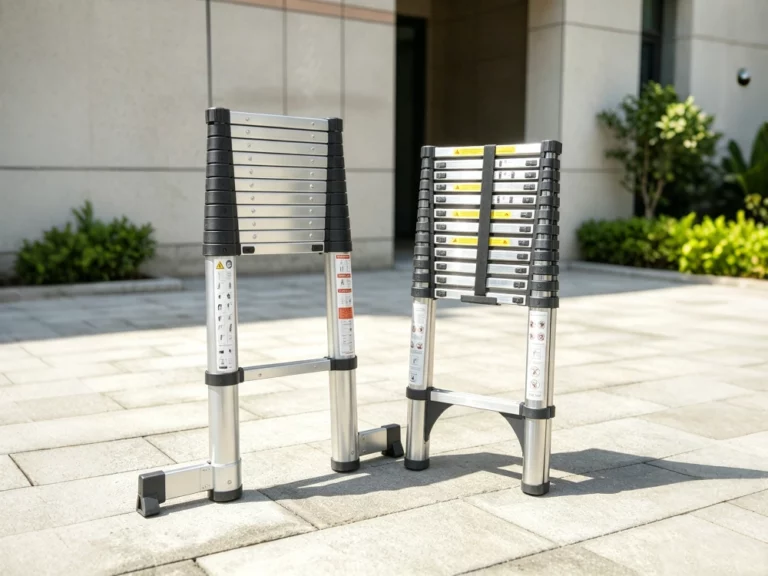
This type suits quick setup in close city spots where big standard gear won’t go. It stores small in a ride but stretches to work heights. It bears 150kg without strain. Adding the balance bar turns it into a prime pick for base safety.
The Heavy-Duty 6m Multi-Purpose Folding Ladder
Flexibility counts when things change fast. A 6m Multi-Purpose Ladder shifts to an A-shape for self-stand firmness or a line for top reach. Its strong make fits factory tasks. That makes it a steady extra in varied save spots.
The Two-Section Insulated Extension Ladder with Pulley
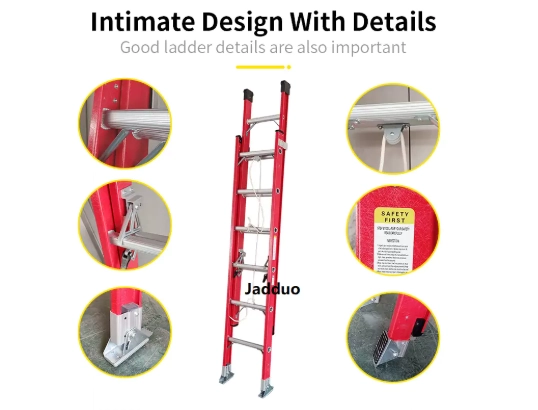
Power dangers make metal risky. An Insulated 2 Section Ladder from glass fiber blocks current. It shields from strong shocks. A wheel and cord setup lets it reach full length with less effort. That proves key in tiring, drawn-out work.
How Does Professional Engineering Support Global Safety Partners?
Solid making forms the base of each safe drop. Buying pro gear means backing a strict build flow that promises steady work.
Adherence to International Safety Standards
Gear needs to match EN131 for Europe or ANSI for the US. These checks cover moving weight trials and grip tags. They confirm the item handles 2025 rule changes.
Advanced R&D and Precision Manufacturing
Building steps include exact tube cuts, holes, and joins. All parts, like metal pipes to cover sleeves, fit to avoid wear over time. Careful work like this keeps the whole thing strong for years.
Comprehensive Technical Support and Logistics
Top sellers give beyond the item. They bring quick tech help in 72 hours and smooth shipping. From made-to-order builds to large orders, a straight link to the maker keeps groups ready with new safety tools. Custom needs can go via their contact page.
FAQ
Q: What is the most common reason for ladder failure during a rescue?
A: Wrong lean or going over the top weight mark causes most breaks. Set the Extension Ladder at 75°. Make sure the total load stays under 150kg.
Q: How do firefighters handle ladders near downed power lines?
A: Teams change to non-metal glass fiber gear over aluminum to avoid shocks. That material sets up a block against strong power flows.
Q: Why are balance bars and stabilizers recommended for professional use?
A: These bars widen the base area. That cuts side tip risks on rough or shaky ground. It counts extra when handling a fighting or weighty person.