Roof tasks rank among the riskiest jobs for house owners and work crews alike. Climbing a tilted plane brings special threats that a basic extension ladder fails to handle. These usual items hide problems like quick slides or shaky builds. Such issues can spark serious injuries. Picking a general roof ladder for tall upkeep amounts to betting against your well-being and home value. Real firmness and rule-following demand gear made just for roof slopes and loads.
Seeking a firm leader in this focused making area? Meet Jadduo. Started in 2015 in Yongkang, the famed “Hardware Base,” this group grew from local know-how to worldwide strength. They run a big 10,000㎡ plant with key tools like 15 molding presses and 6 riveting setups. This lets them turn out 30,000 top units each month. A dedicated 20-person research crew and several patents keep items EN131, ANSI, and GS approved for calm use. They offer more than gear; they deliver planned safety aids that serve over 50 lands. Choosing their tools picks a full ten years of factory skill and a pledge to guard each climb.
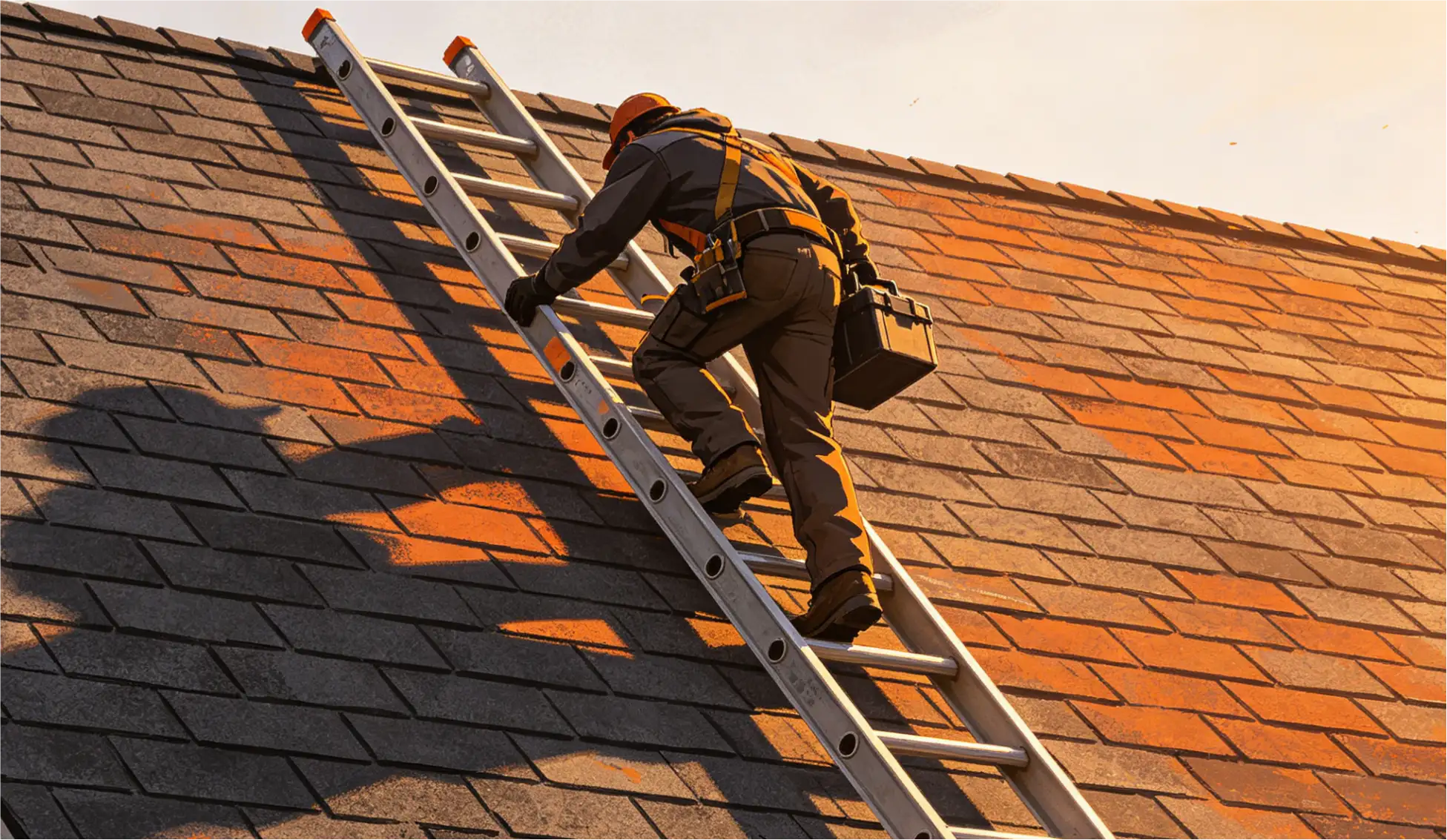
What Are the Dangers of Standard Extension Ladders on Roofs?
Putting a basic ladder to roof jobs means using it beyond its planned limits. These ladders suit upright leans on walls, not the tricky tilts of a pitched roof.
No Ridge Anchoring Causes Sideways Sliding
Missing a ridge hold stands as the biggest threat. Without a firm tie over the roof top, the ladder counts only on rail rub against eaves or tiles. A small body move can send it slipping side to side or kicking base out. That leads to a bad drop.
Concentrated Pressure Damaging Your Property
Basic ladders spread load on tiny touch spots. Leaning rails on a roof packs force that cracks costly tile or rips shingle layers. The mass also warps or dents metal drains. This sparks extra fixes that cost way more than right gear.
Failing the Safe Angle Rule on Slopes
Experts call for a 75° lean for firm rises, the 4:1 guide. On pitched roofs, a basic ladder hits an odd, low slant. This pushes balance point away. Keeping three holds becomes hard. Backward leans or down slips grow likely.
How Specialized Roof Ladder Equipment Eliminates These Risks
Tailored gear counters the exact forces of sloped work. It fixes hold and load spread. Thus, it creates a safe spot for tough jobs.
Roof Hooks Provide Safe Anchoring and Protection
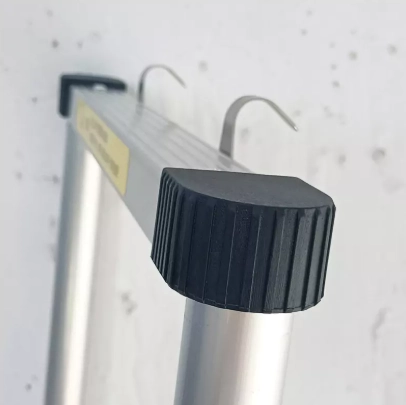
The best way to lock your rise uses a set hook setup. A solid Aluminum Alloy Ladder Roof Hook Plastic Wheel lets wheels roll the ladder up the pitch. This avoids tile scrapes. At the top, flip it over. The tough hook grabs the ridge firm. It stops down or side shifts.
Integrated Hook Design Removes Makeshift Hazards
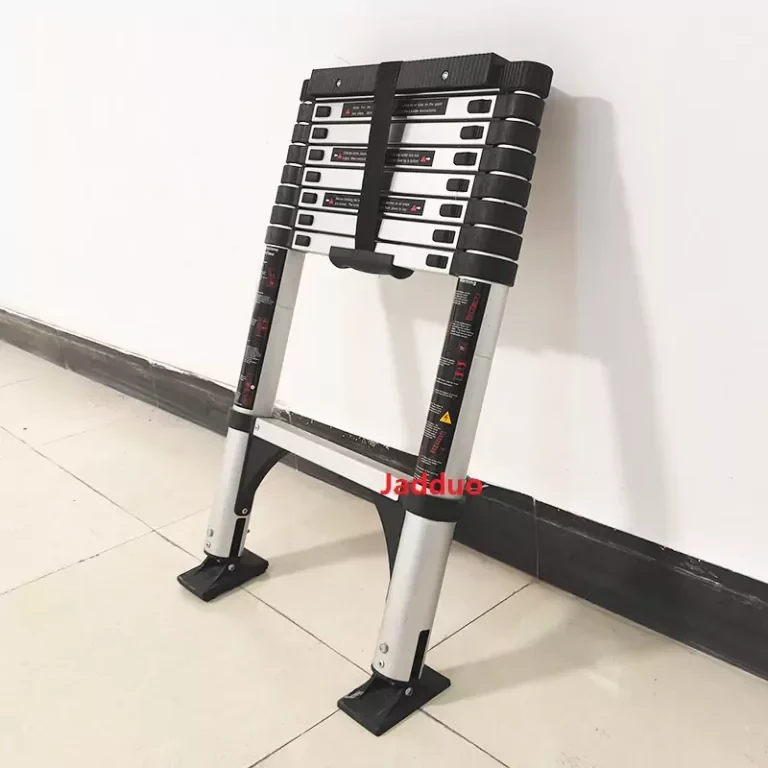
For jobs like RV care or roof stays, a built-in system beats add-on parts. The Telescopic Tent Ladder With Hook has fixed, strong hooks. They latch right on roof bars or frame holds. This build gives no loose play. It skips risky temp fixes like cords or straps.
Telescopic Controlled Height for Better Balance
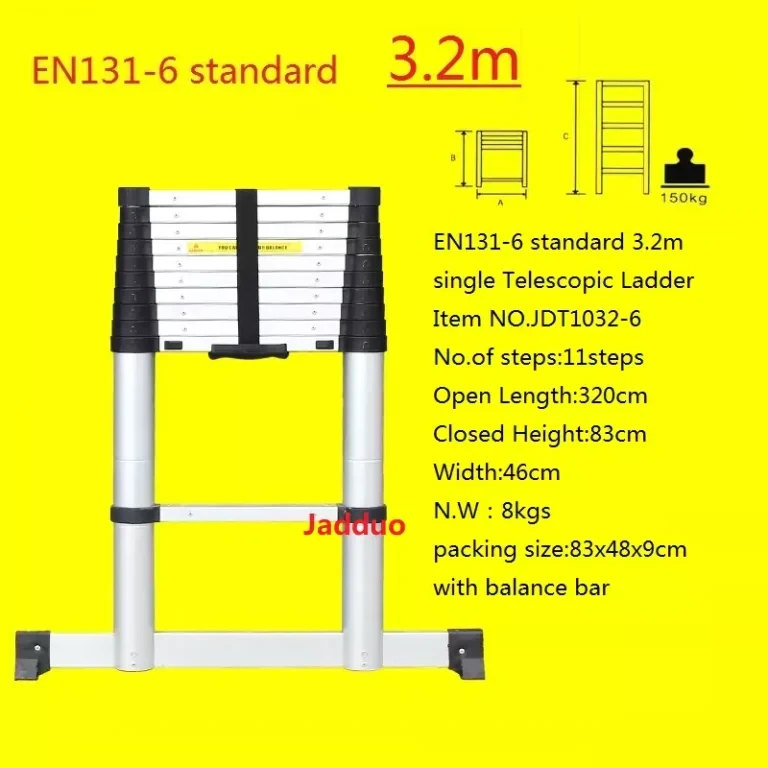
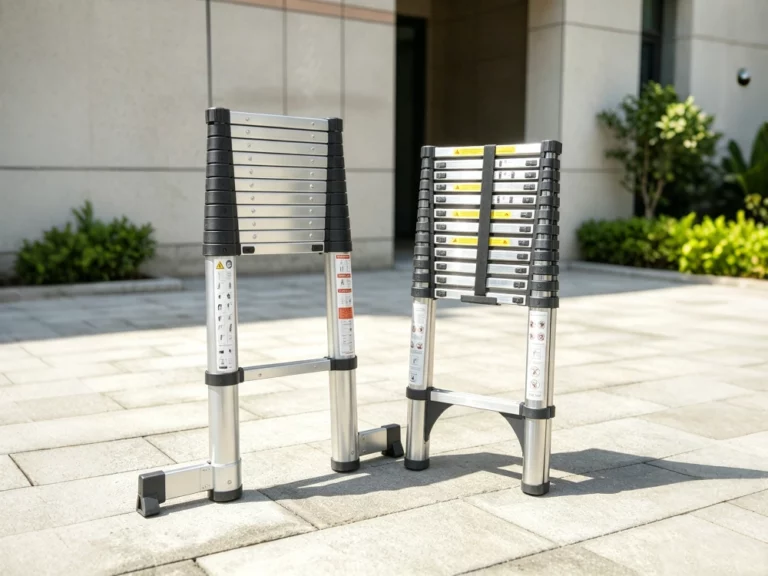
Basic extension types show big extra length past the roof edge. Wind catches it, or it trips feet. New stretch models let step-by-step height tweaks to the right mark. This care sets balance center right. Storage gets simple too, as it shrinks below one meter post-job.
Professional Safety Engineering That Matters
A roof ladder’s trust hinges on build stuff and making steps. The item must take site strains yet stay light for solo handling.
Aerospace Grade Aluminum and Load Capacity
Top ladders use plane-level aluminum mixes. These give great power per pound. Units weigh 3kg to 6kg but hold 150kg firm. Steps stay steady under load for sure footing.
Anodic Oxidation for Corrosion Resistance
Outside jobs meet wet, damp, or sea air often. To stop build rot, pro ladders get anode coating. This layer fights rust and wear. Locks and joints work long in wet spots.
Global Safety Certifications for Real World Use
Skip unproven gear for safety. Solid makers run move-load checks. Items meet EN131 (EU), ANSI (US), and GS (German) marks. These stamps show stress trials for pro jobs. They hold up in daily crew work or big home fixes.
Why This Manufacturing Partner Is a Top Choice for Global Buyers
Sourcing for bulk or sales needs more than fine items. A steady flow chain matters. A maker with 30,000 units monthly keeps stock full, even in busy build times.
Flexible Manufacturing and Efficient Logistics
Online sellers or area buyers gain from bendable OEM and ODM aid. Custom marks and special looks fit needs. Ship from FOB Ningbo holds waits at 15 to 30 days. Smart packing fits 700 units in a 20FT box. This cuts ship costs per piece and boosts gains.
Professional Support for B2B Success
Global buys need faith and open talk. Leading makers give full paper proofs for smooth border clears. Plus, 72-hour tech help answers spec or rule queries fast from pros. This aids better client service.
For simple use with solid power, the Black Oxidation One-button Telescopic Tent Ladder suits crews and owners. It blends easy carry with key safety for current roof entry.
Safety Best Practices for Roof Access
Top gear alone won’t guard you. Set rules shape safety. Use ridge-tied ladders for any slope task. Stay under load limits. Set base on level, dry, firm earth to block sink or slip. Check locks and grip feet for damage or dirt before each rise.
Conclusion
To sum, trying a basic extension ladder on roofs adds needless danger to life and home. Tailored gear like a roof ladder with ridge holds and broad, no-slip steps offers the sole safe path for tall care. Spending on proven, plane-grade items shields from usual slips, slides, and build breaks. Pick pro fixes to finish jobs safe, quick, and rule-true worldwide.
FAQ
Q: Can I put a roof hook on any extension ladder?
A: Yes, a good all-fit roof hook set turns most basic extension ladders into roof-ready aids. But check the ladder’s load mark hits at least 150kg. Bolt the hook tight to the top two steps per maker guides.
Q: What angle should a roof ladder be set at?
A: Leaning to the edge before roof shift needs a 75° slant, the 4:1 rule. Hooked to the ridge, it lays even on the surface. Climb steps as weight rests on the roof frame.
Q: How much weight can these specialized ladders hold?
A: Pro-grade ladders from marked makers back a base load of 150kg. This covers one grown person plus tools and parts. It fits safe for hard care or mend work.